


For three generations, art has been part of Zacharie Vallois’s family life. But his own route back to the gallery was anything but conventional. Raised among artists, collectors and gallery conversations, Vallois chose to build his professional career outside the art world, working in engineering and management across Hong Kong, Switzerland and Iraq before returning to the family business. Today, he is helping carry the legacy of Galerie Georges-Philippe & Nathalie Vallois into a new chapter with its new space in New York. From an apartment-like gallery to collaborations with collectors, Zacharie is exploring new ways to make art more personal, accessible and connected.
LARRY’S LIST spoke with him about his unconventional path and approach to the art world, the evolution of the family business, the changing art landscape, and what comes next.
Family Background
Galerie Vallois has been carried across three generations of your family. What was it like to enter a business with such a long history when your own professional journey had taken you somewhere completely different?
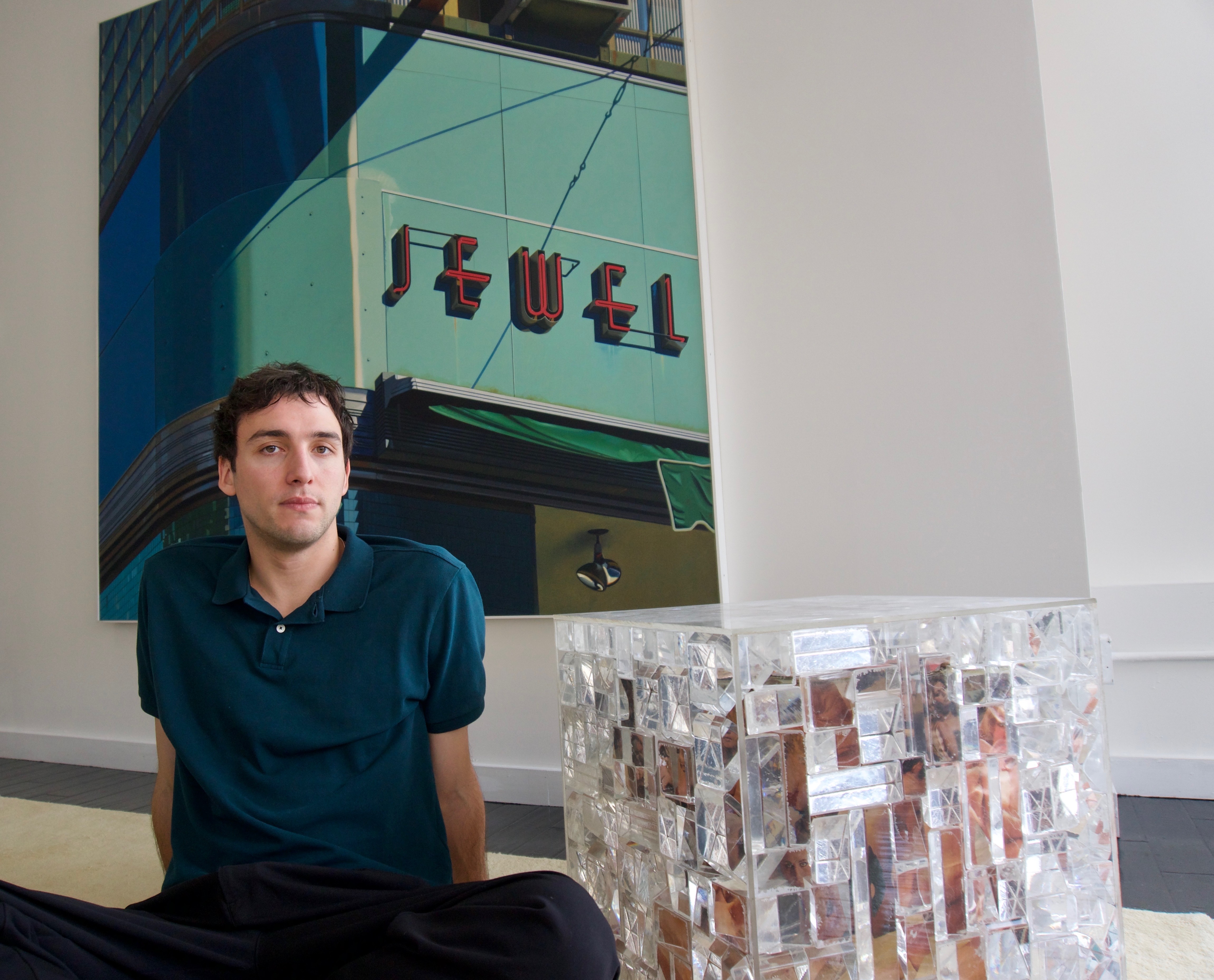
Even if what I studied was completely different, I was always very close to the family business. Since I was born, I was surrounded by the artists who work with my family. From zero to four years old, I was basically living in the back of the gallery with my parents. And even after we moved, my parents’ apartment was always full of art and artists.
Since I was around fifteen, I spent Thursday afternoons at gallery openings. I grew up having lunch and dinner with artists, gallery directors, museum curators. They were not only professional people around my family; many of them were also family friends. So I have plenty of memories not just about art, but about the artists themselves. For example, Martin Kersels took me with him to Yale for ten days, and I could see how he worked as a teacher and how he lived as an artist. For me, art was never just something you see on a wall. I grew up understanding how the work arrived there, how it was made, how it was thought about. That is why, even if my professional path was different, coming back to the gallery never felt completely foreign to me.
You came to the gallery from engineering and management rather than from a traditional art-world background. What did you initially see differently because you were coming from outside the art world?
I always knew that one day I would come back to art, but I also always felt that, if I wanted to bring something to my family, I needed to bring something different from what my parents and grandparents had already done. That is why I wanted to have professional experiences outside of art and outside of France. I worked in Hong Kong, Switzerland and Iraq, and engineering gave me a completely different way of looking at a company and solving problems. It also made me understand why the art world can feel intimidating from the outside. In France especially, quite early in school you are asked to choose: science, business, literature. Once you choose one direction, you can become very disconnected from the others unless you make an effort to explore them outside of school.
So if, ten years later, someone invites you into a gallery and you have never studied art or really entered that world before, of course you can feel uncomfortable. It is the same as asking someone from the arts to suddenly do a scientific calculation. You are approaching a completely different world, and sometimes you need someone to hold your hand a little bit.
What from your engineering background has remained useful in running an art gallery—and what had to be completely unlearned?
Before coming to the gallery, I was a chief project engineer working on different projects connected to energy, cars, healthcare and other industries.
Actually, I think managing software engineers can be quite close to working with artists. Both are very passionate about what they do, and very specialized in it. As a project engineer, part of my job was to translate the work of the engineers for clients who did not necessarily understand the scientific side, and at the same time make sure that an amazing technical idea could become something practical.
I think it is quite similar with artists. Of course, we want an amazing project without limits or barriers—we want to let the creativity flow. But at some point, there are practical questions: it has to be done in a certain amount of time, people have to make it happen, everything has to work. The big difference is that engineering is logical. If something doesn’t work, it doesn’t work. In art, it is not really about who is right or wrong. You have to think much more about creativity, the way you see things, and the bigger picture. That is something I had to learn, and I’m still learning.
The Gallery
The gallery has evolved considerably from the 1990s to today. What are some of the biggest changes the business has had to overcome or adapt to?
I haven’t been involved with the gallery long enough to have experienced all of these changes myself, but from what I’ve always heard from my family, the profession has changed enormously. One of the biggest changes is obviously the internet. Before, everything moved much more slowly: people communicated by letter, the gallery sent slides to the press, and there was much more time between exchanges. Today, everything has to happen immediately. You receive many more emails, people expect answers very quickly, and you have to be reachable almost all the time. At the same time, I think some of the relationships can become a little less personal. Social media has accelerated that even more. There is also much more complexity around customs, regulations, security and shipping. All of that takes more time, more people and more money than before.
And globalization has completely changed the scale of the art market. The market is much more international and much more financialized, which creates opportunities, of course, but I think it can also make it harder to keep the more personal and independent way of working that galleries used to have. And now AI is probably the next big change. We are already seeing how it can affect the way galleries communicate and produce content, so I think that is something the profession will have to understand very quickly.
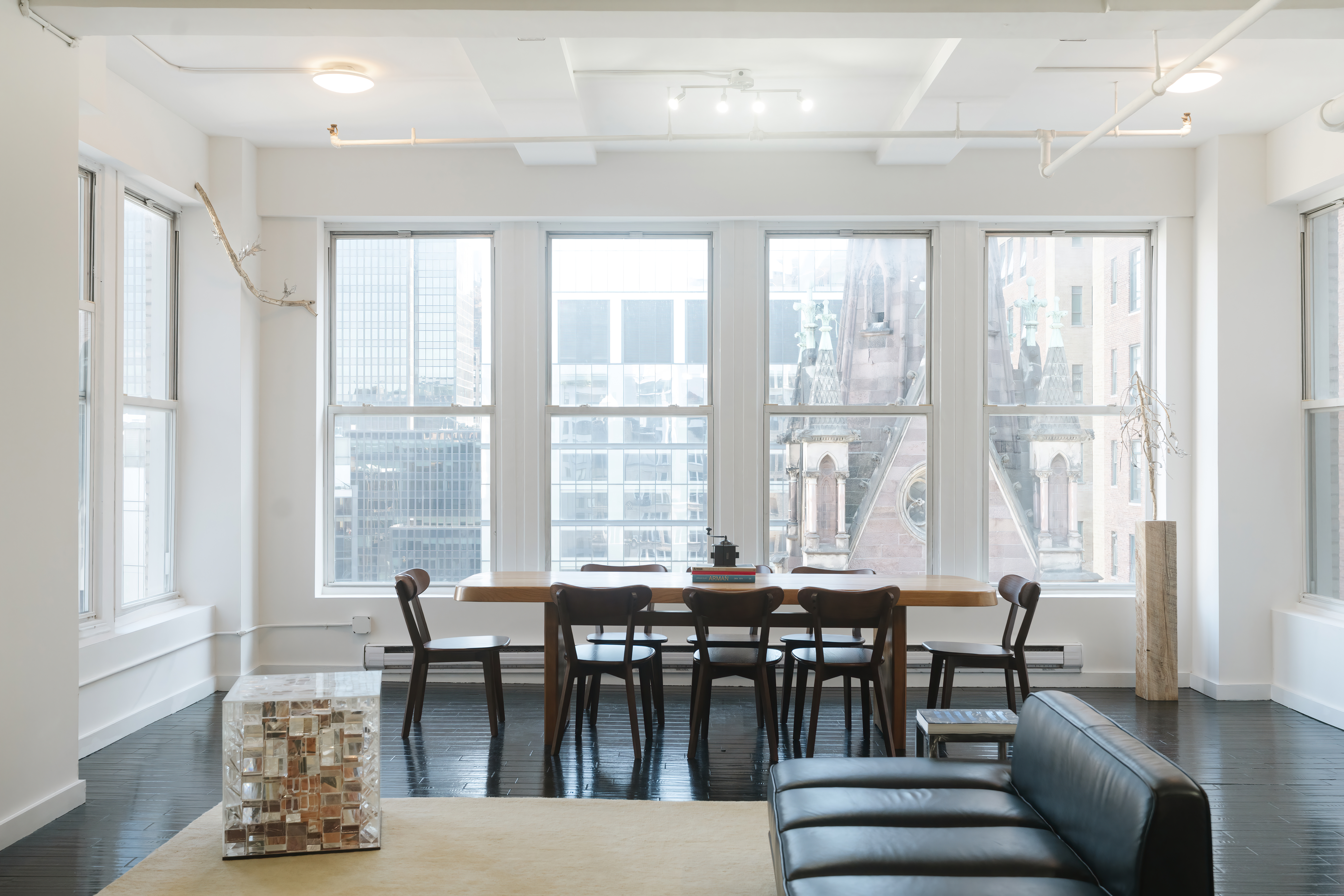
You have moved away, at least in part, from the conventional gallery model toward a more intimate, apartment-like environment. What does changing the physical setting change about the way people experience art?
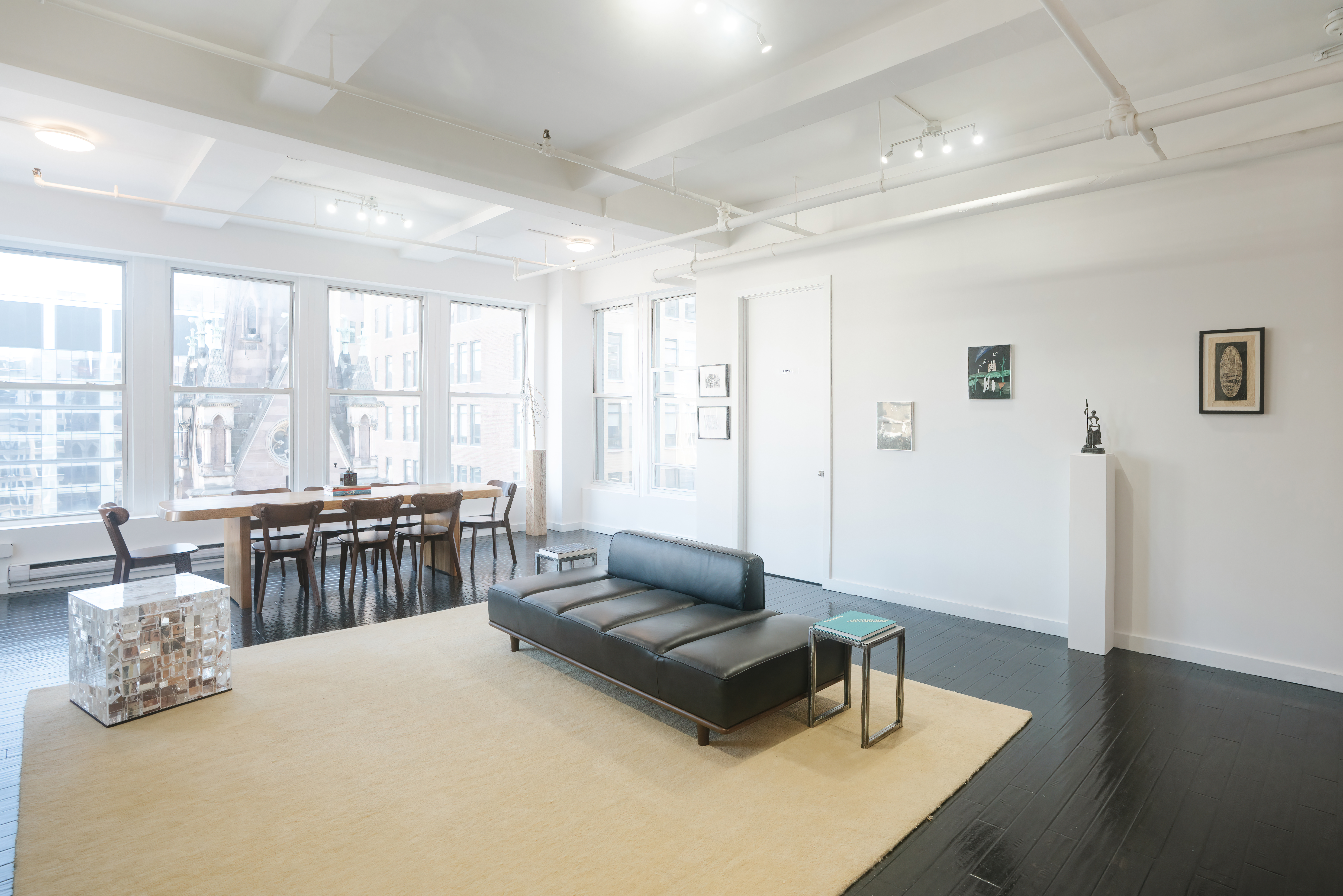
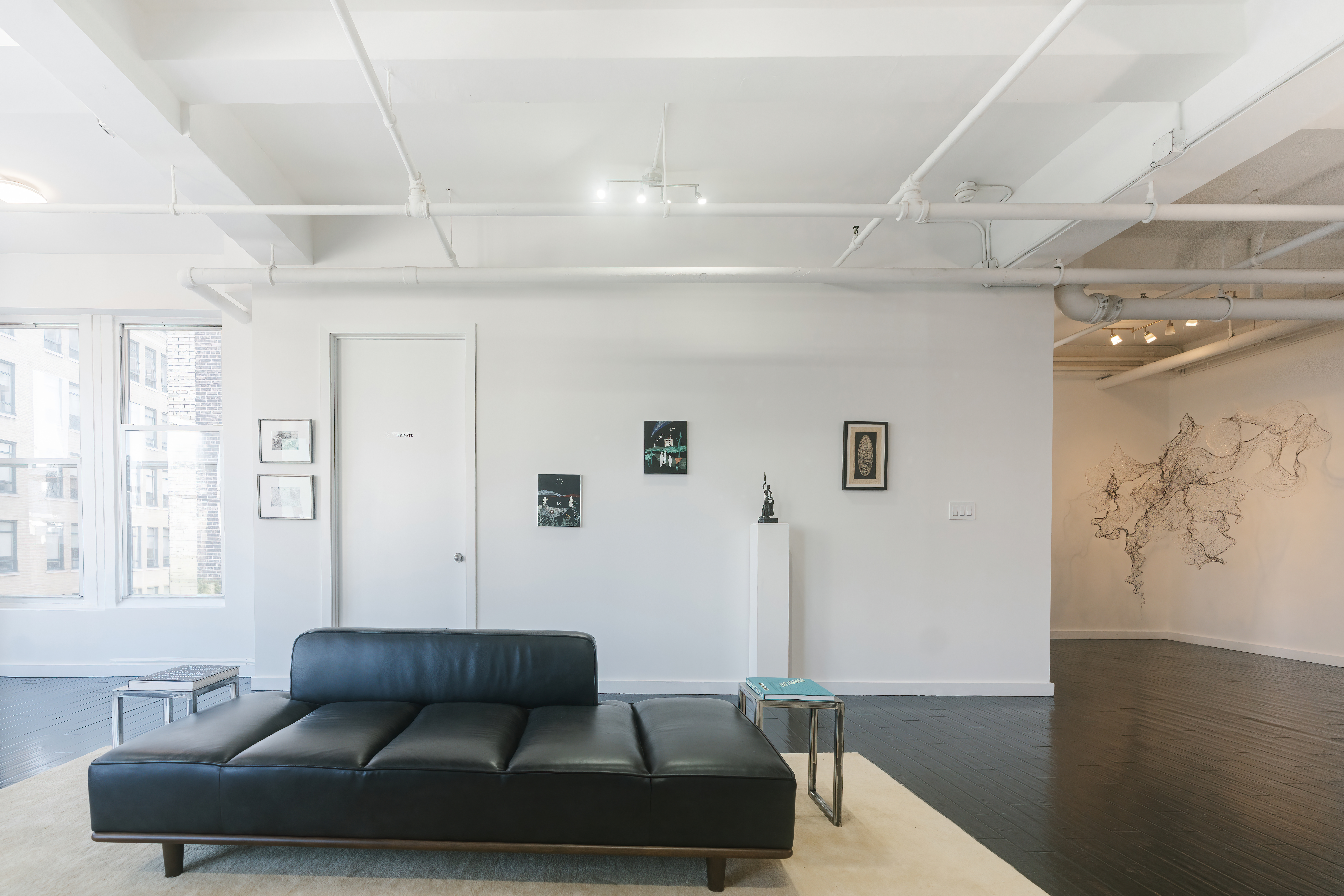
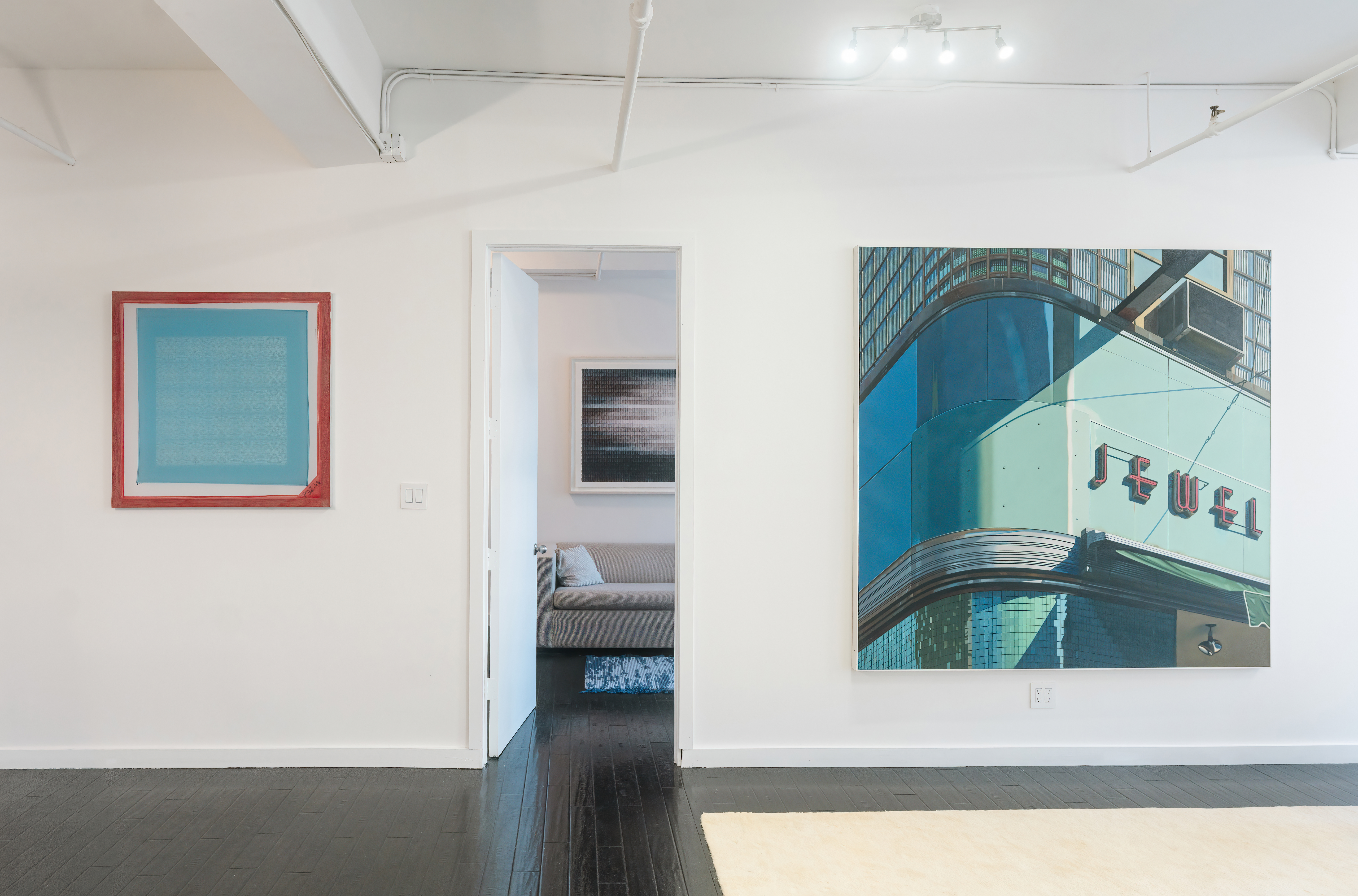
We decided to do the apartment gallery because we wanted to propose an experience that was more personal. In a white cube, you can sometimes feel that you are entering a very commercial space, or that you are a stranger who is supposed to behave in a certain way. In the apartment, the idea is completely different. You arrive as a guest. You sit on the couch, you look around, and hopefully it feels closer to visiting a friend’s apartment.
It also lets people understand how art can actually live in a home. You are not looking at a work isolated on a white wall; you can imagine how it could exist in your own place.
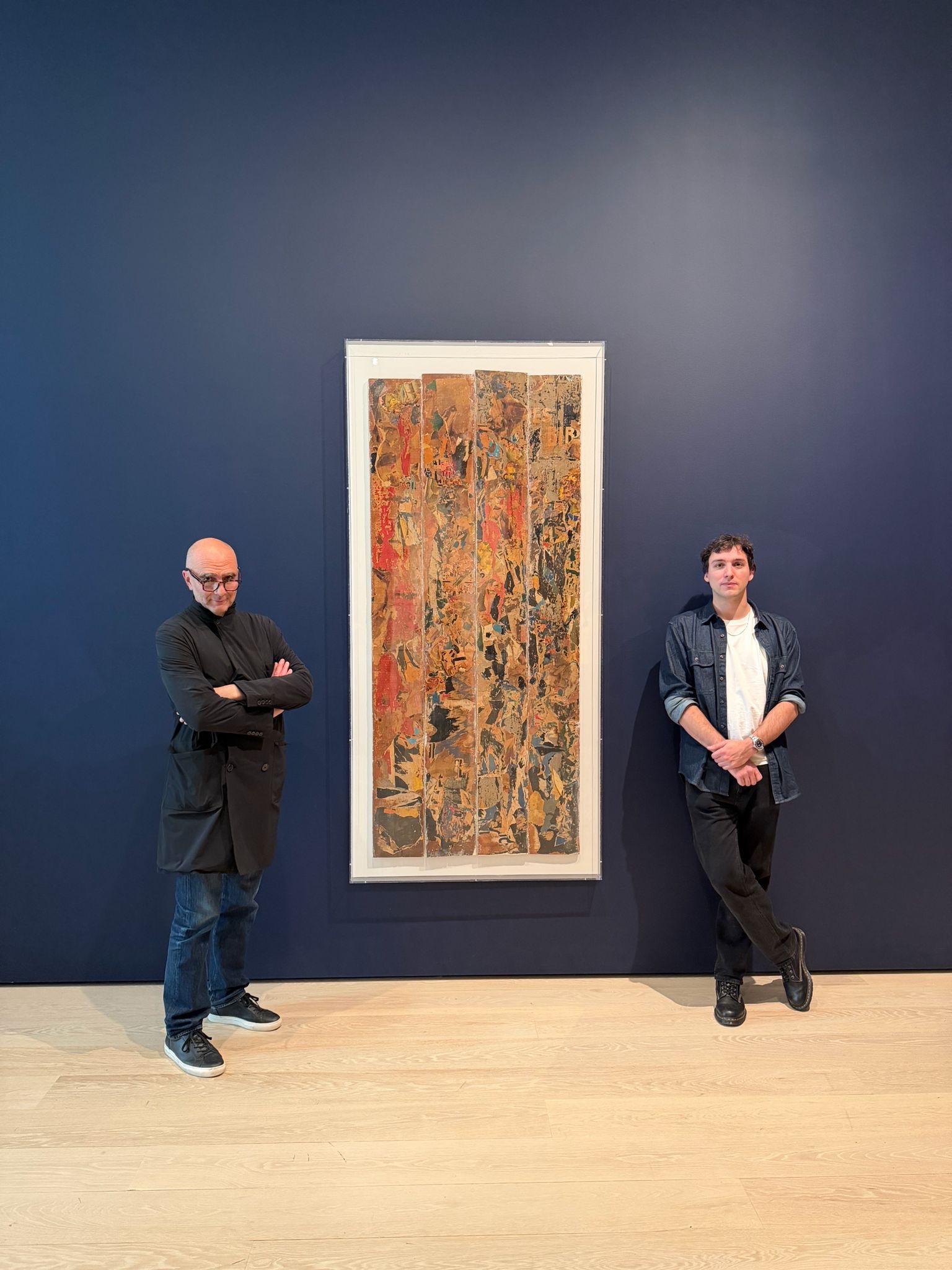
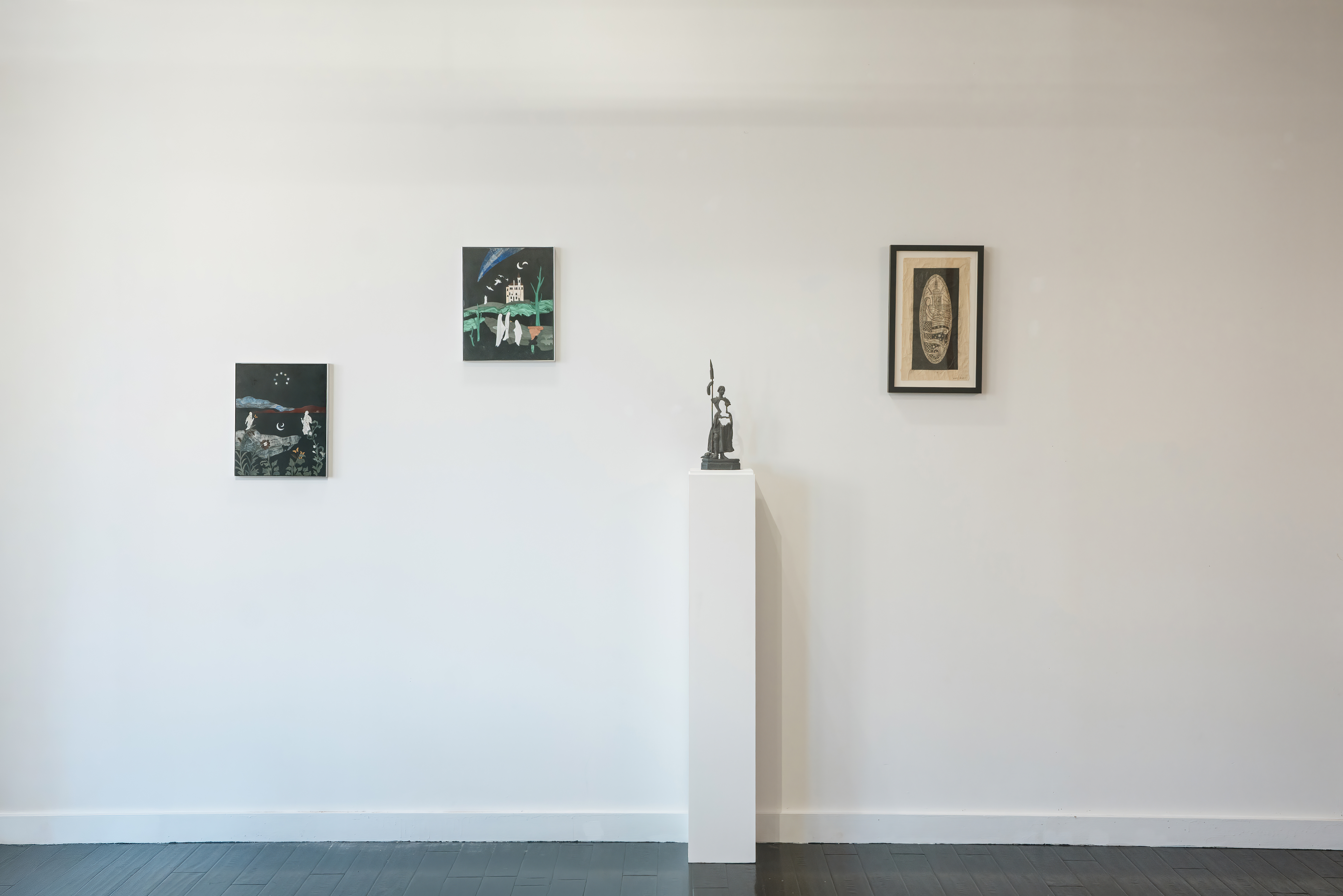
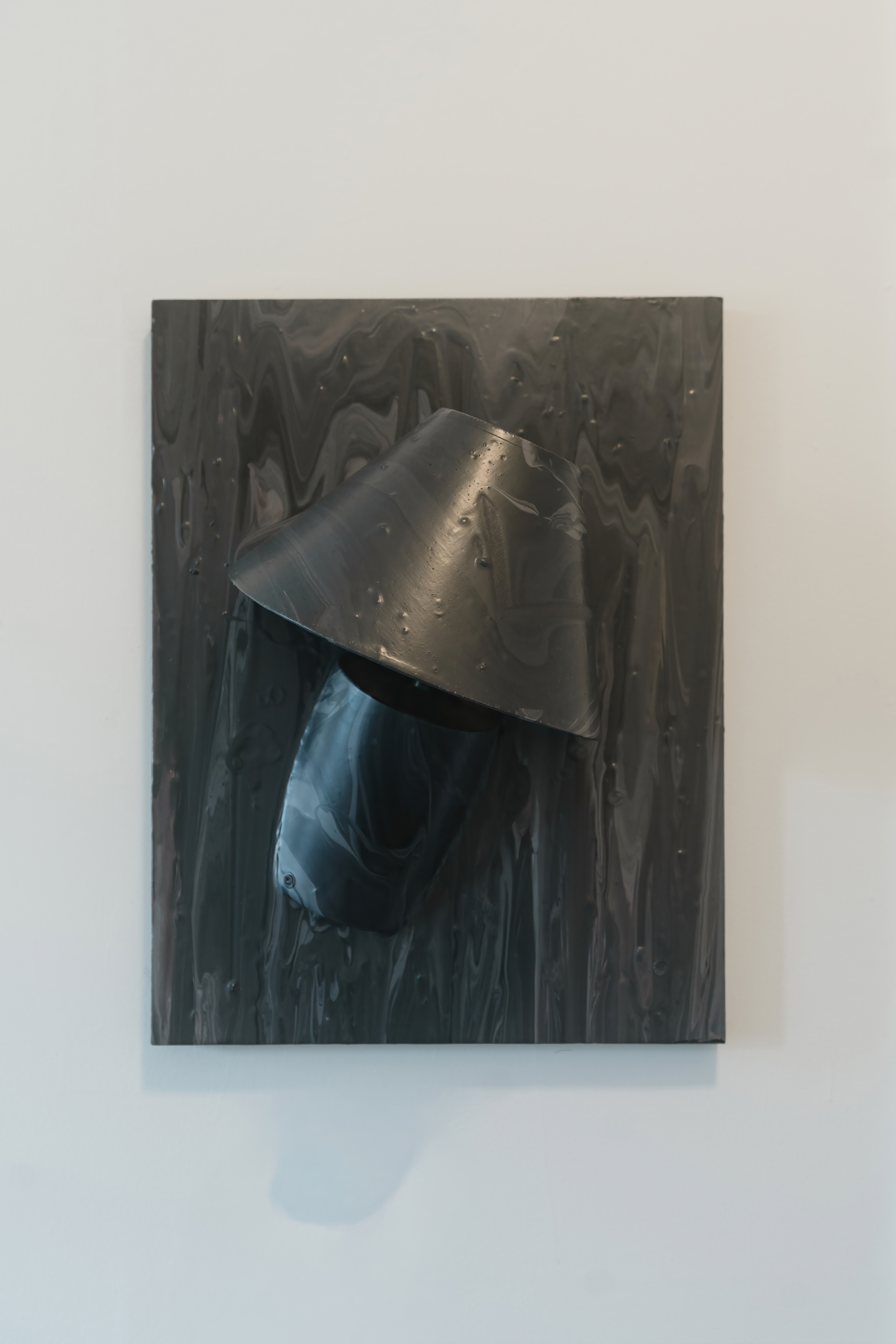
In the apartment, you will see a mix of works by contemporary talents and established artists. For example, in this exhibition, you can see a work by Duke Riley hanging next to a piece by Arman that was once owned by Marcel Duchamp. So in one room, you already have several generations of art history coming together. I think this is also closer to how a real collection grows. You might have a work that comes from your family, and then you add new pieces that reflect your own taste and your own generation. Mixing young, emerging and established artists has always been something my family does, whether in the gallery or at art fairs. The apartment gives us another way to show that.
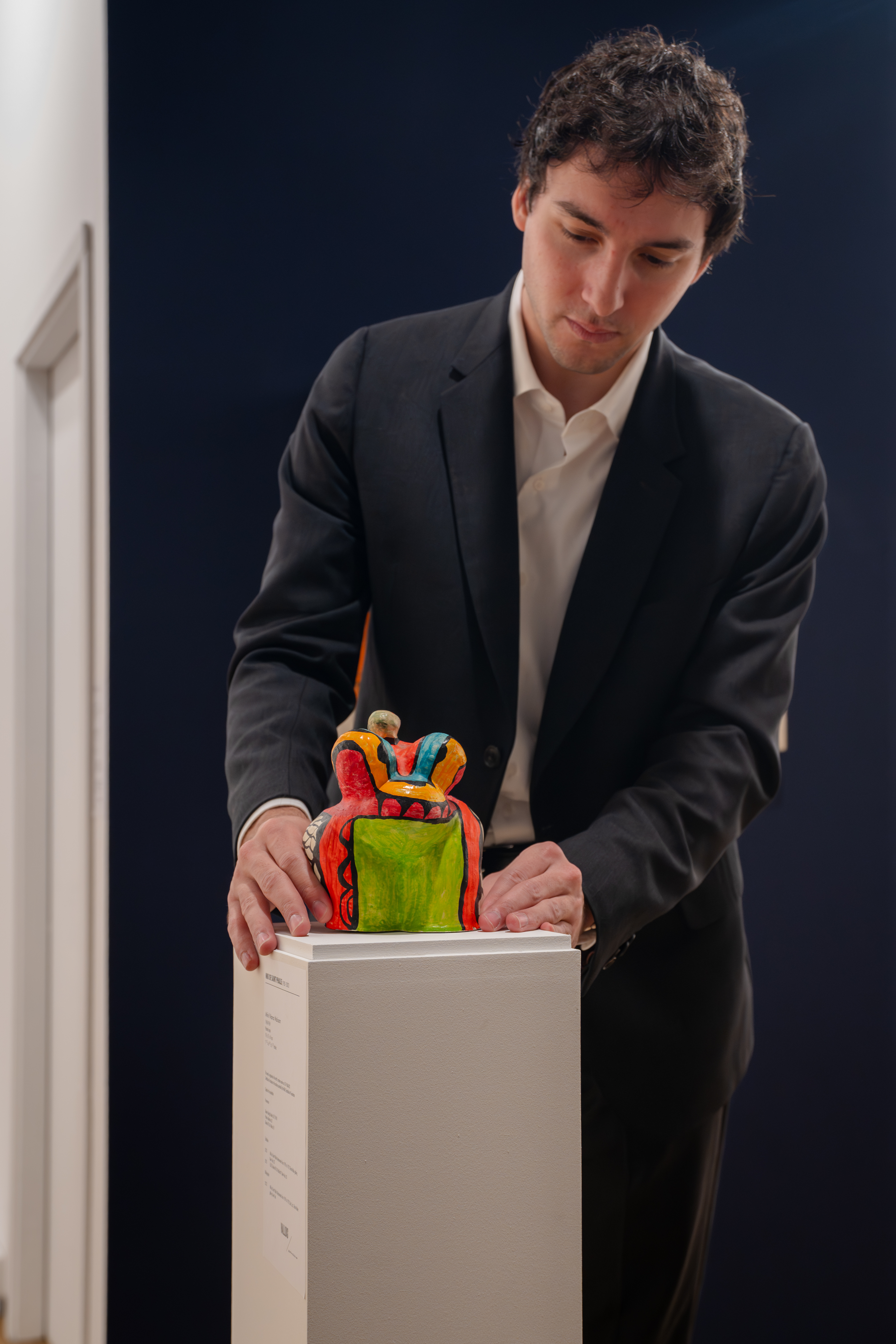
You personally give many of the tours. What do people ask you in a living room that they would never ask standing in front of a gallery desk?
I think it’s not even the type of questions that changes; it is the number of questions.
When you enter a gallery, and the director is sitting in an office, most of the time you don’t want to bother him. You can feel strange asking questions, even though answering them is exactly why we are there. In the apartment, people feel much more comfortable having a normal conversation. Most visits are by appointment, so they know we have time. There isn’t the same feeling of closing time or of disturbing someone. You can sit down, ask everything you want, and we can make the experience much more personal.
Actually, when I arrived in New York, I realized that the way galleries interact with visitors can be very different. In my family, giving tours and taking time to explain the work had always been very natural, so I had almost assumed that everyone worked that way.
It is not only about selling art. You want people to understand what you are showing and what the artist is trying to say through the work.
The Collector
You have worked with two collectors, Alexandra Kosslyn and Elaine Truong, as curatorial partners for the current exhibition, “Secret Forms”. Why invite collectors into the curatorial process of a commercial exhibition?
I think it’s important to say that you don’t just invite any collector. You invite someone because you believe they are going to add something to the exhibition that you cannot add yourself. Alexandra and Elaine bring their own experiences and personalities, and when I listen to them talk about the exhibition, they see things very differently from me. That brings new ideas into the project, and I think it can also make the whole thing feel a little more accessible. They also represent people who don’t come from the art world but are curious about it, people working in technology or other professional fields who have many interests outside of their work. Because I worked in engineering before coming back to art, I have always been very interested in building bridges between different worlds. I don’t think the best way to do that is to tell someone, “Come into the art world and learn how we do things.” It is more interesting when people from those environments actually help create something with you. Then the space naturally becomes more open to people from those worlds as well.
What changes when an exhibition is shaped by the perspective of a collector as well as that of the gallery?
I think a collector removes, in a way, a big part of the economic and logistical thinking from the beginning of the process. When you are organizing an exhibition as a gallery, you are thinking about many practical things at the same time. But as a collector, your first reaction can be much more aesthetic: these are the artists I like, these are the works I want to put together. You don’t necessarily think, “I need to represent this number of artists from the gallery,” or organize everything according to the same logic we might normally use. You approach it more like you approach collecting itself, you want to do it your way. And I think that personal perspective is precisely what is interesting. It gives us another way of looking at the works.
Next Steps
What did you learn from the first exhibition that changed how you approached the next one?
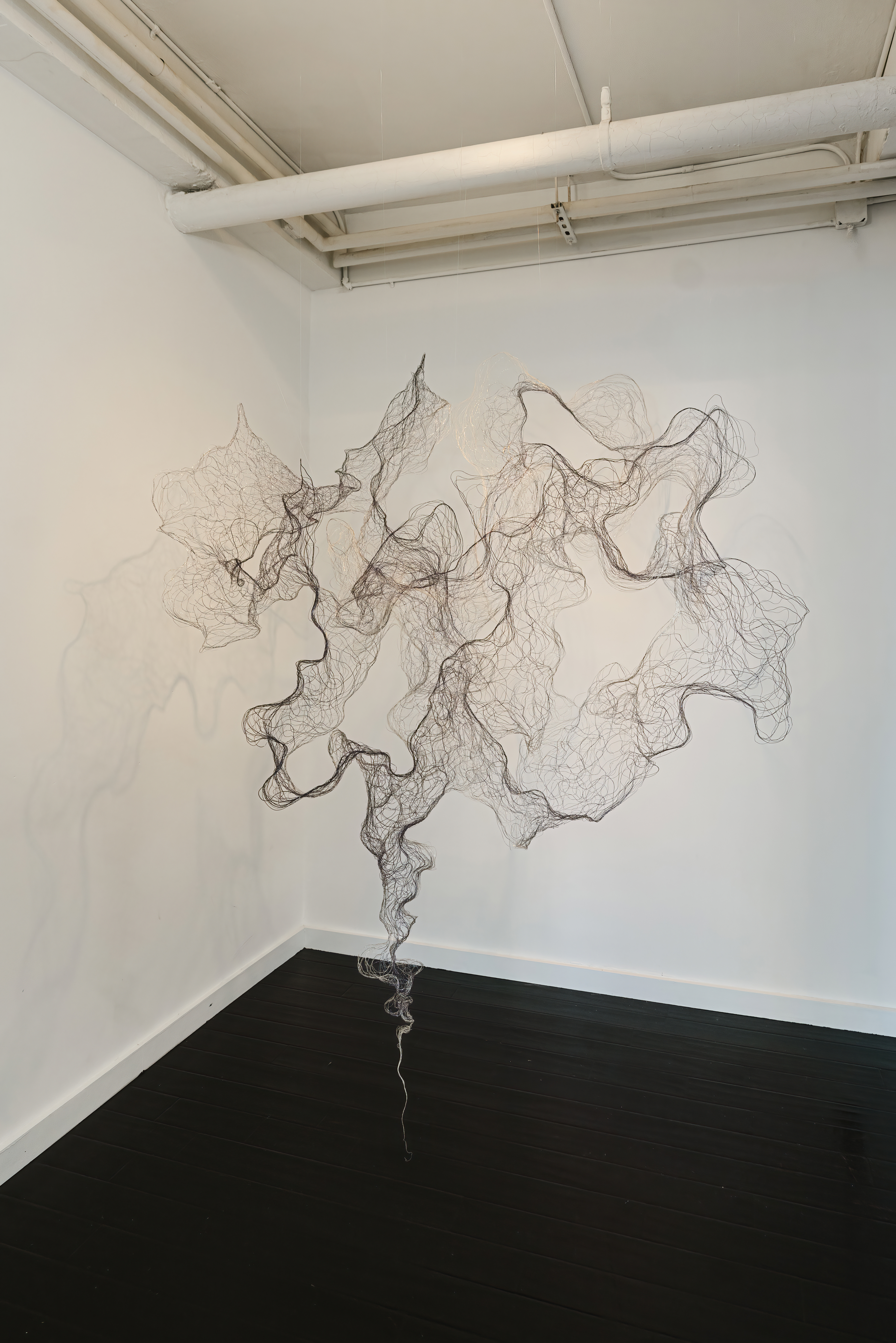
What I learned very quickly is that creating an exhibition in an apartment space is completely different from creating one in a gallery. In a white cube, the focus is almost entirely on the works themselves. In an apartment, you suddenly have many more elements in the space, and that creates new interactions between art, design and the way people move through the rooms.
It makes the process more complicated, but also gives us more responsibilities. When we first moved into the apartment, we partnered with Magen H Gallery and brought in two large pieces of furniture by Pierre Chapo. For this exhibition, we also worked with The Happy Few on the rugs. What interested us was not simply whether these objects “matched” the artworks, but how they could change the way you experience the exhibition.
So there are more questions to think about, but at the same time you can be much more creative with the space. I think collaboration and partnership have become much more important to the way we approach these exhibitions, because they allow us to bring different fields together and create interactions that would not happen in a traditional gallery setting.
If you think about Galerie Vallois not simply as a gallery, but as a place where artists, collectors, and different generations of people meet, what do you want that place to become?
In a way, Galerie Vallois is already what I would want it to be. It is a family business where the artists, the gallery and the collectors have known each other for a very long time, and in many cases we have grown together. So for me, the evolution is maybe less about changing what the gallery is and more about finding new ways to present it and bringing that spirit to new places. The apartment is one example of that—a different way of presenting art and meeting people. And then there is also the possibility of developing Galerie Vallois beyond France and the U.S., in places like Asia. But the idea of artists, collectors and the gallery growing together is already at the center of what Galerie Vallois is supposed to be.
What do you think the art gallery of the next decade will need to offer that it didn’t need to offer twenty or thirty years ago?
The first thing is definitely new technology. It is not just a new tool for artists, or a way to follow auctions or use data, it is changing the expectations of the people who are entering the art world. We still have collectors today, like my grandparents’ generation, who were not born with this technology. But the collectors of my generation were. They expect the art world to adapt: how you present art, how you describe it, how you make it accessible. We have AI now, we have much more data, and galleries will have to understand how to work with all of that. But I think there is another side to it. Thirty years ago, if you didn’t go to an exhibition, you probably didn’t see it at all. Today, you can discover almost everything through a screen, which is incredible, but it is still very different from standing in front of the work. You don’t experience the scale, the material or even the color in quite the same way.
So what a gallery has to offer now is exactly what used to be automatic: a reason to be in the room. Of course we still send PDFs and share things digitally, but when people come in, we can also give much more of the history and context behind the works. Take Nouveau Réalisme, for example, a major French post-war avant-garde movement of the 1960s. It is something the gallery has worked with for decades; we also produce publications of many of our artists. There is always more to discover when you actually come and spend time with the work. Technology makes access easier, but I think the physical experience and the conversation around art become more important, not less.
What are your upcoming projects and plans?
Our plan is really to keep building on what we have started here: creating a space where the artists that my family has worked with for many years can be shown next to younger and emerging talents. We want to keep looking for new artists, but at the same time continue sharing the history and knowledge our gallery has built over several decades.
I also want the gallery to become more international, not only in terms of the artists we show, but also the collectors we meet and the conversations we create between different places. We already have strong roots in Europe and New York, and we want to keep building relationships in other art centers as well. This year, for example, we took part in an art fair in Istanbul. Cicy, our New York gallery associate, also brings an international perspective through her background between Shanghai and New York and her experience in art and the art market, which helps us build these relationships in a very natural way.
And something that is very important to me is continuing to bring people into the gallery who do not necessarily come from the art world. They might work in technology, finance, design or completely different fields, but they are curious about art. If we can make them feel comfortable coming in, asking questions, learning about the artists and their history, and discovering what they respond to, I think that is a very good direction for us.
Secret Forms
Dates: September 10 – October 28, 2026
Opening times: By appointment only
Location: 208 W 30th ST, PH 1201, New York, NY 10001
Website: www.galerie-vallois.com
Instagram: @galerievallois
