


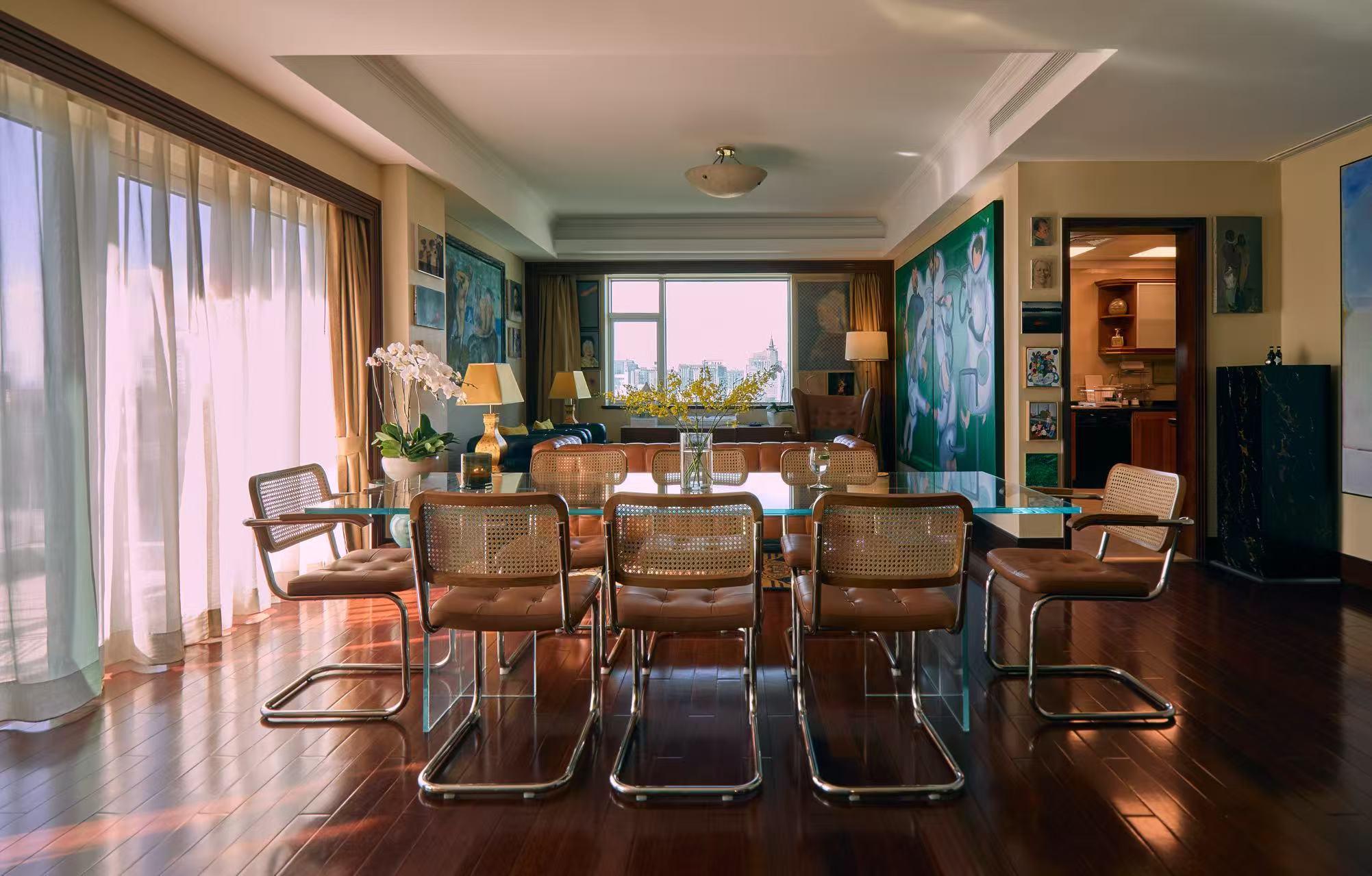
Guan Dongyuan is the former President of Greater China at Embraer, the Brazilian aerospace multinational. He has been devoted to collecting contemporary art since 2011 and has become a prominent collector in China. Owning around 400 artworks in his collection, he has transformed his downtown Beijing apartment into a dense, personal “apartment museum” packed with over 150 artworks. He enjoys hosting informal art salons at home where entrepreneurs, artists and musicians and has become an influential mentor figure and sounding board for newer generations of Chinese art collectors and patrons.
The collector explained to LARRY’S LIST about the qualities he looks for in the artists he collect: independent artistic language, sincere creative attitudes, and spiritual power. He also shared the most precious value of collecting art, the art-world pet-peeve in his view, the American collector couple who has tremendously inspired him, as well as three promising emerging artists we should pay attention to.
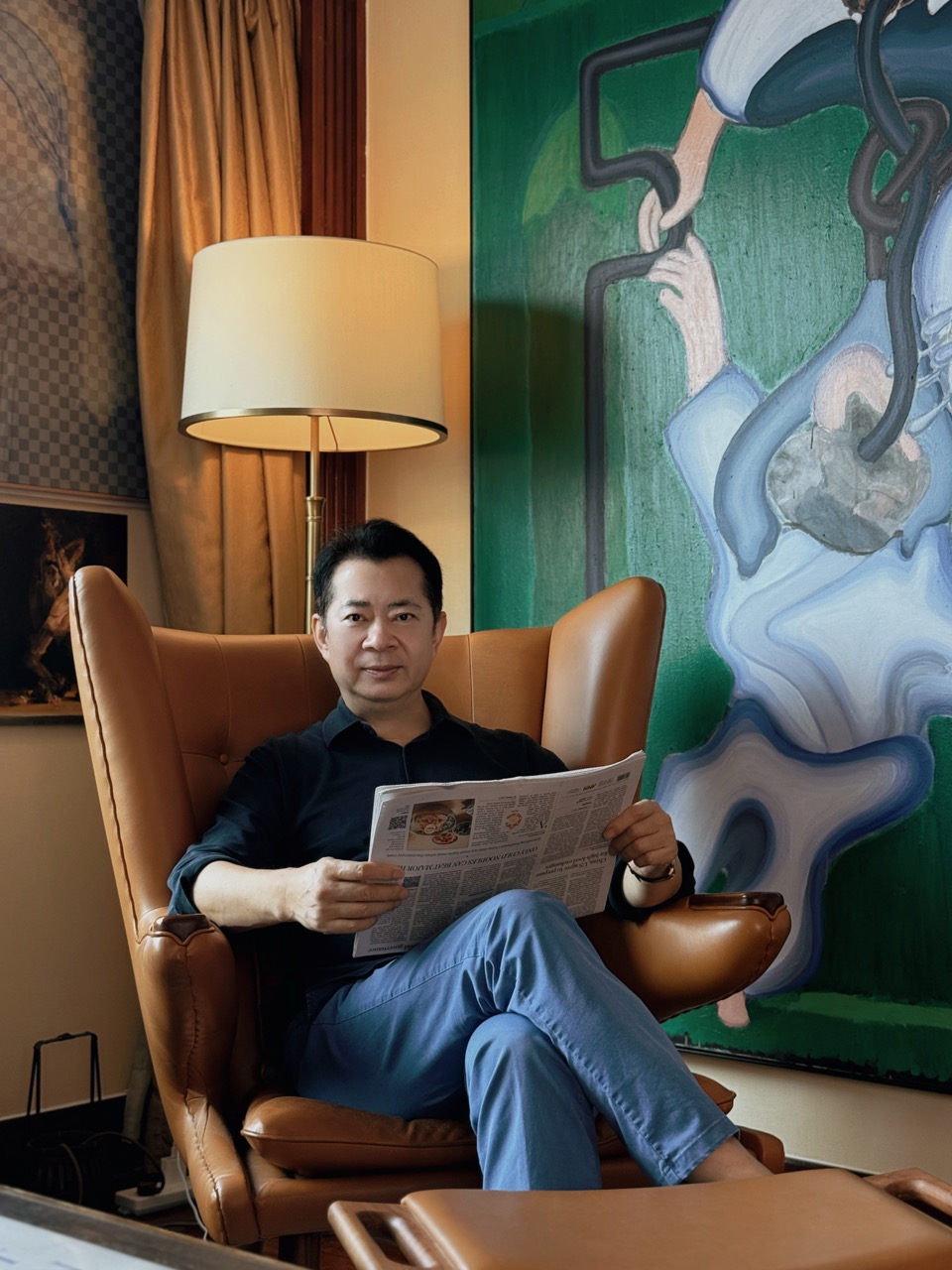
What inspired you to start collecting art and stick to it until today?
I first stepped into art collecting by chance during a trip. Encountering various artworks on the journey made me deeply perceive the unique charm of art and sparked my strong passion for art collection. This pure and sincere love, free of utilitarian purposes, has driven me to devote myself to collecting consistently up to now.
How has your aesthetic taste and preference for art evolved over the years?
My collection aesthetics and preferences have evolved gradually from superficial to profound. In the early days, I used to rely more on intuitive visual feelings and favor works with comfortable visuals and harmonious colors. After years of continuous exhibition visits, learning and communication, my aesthetic system has become mature. Currently, I pay more attention to the artistic language, ideological connotation, temporal value, and personal expression of artists, forming a more professional, three-dimensional and in-depth cognition of collecting.
Do you prefer works by established masters or emerging contemporary artists? What core traits attract you in each category?
I highly appreciate works by both classic masters and emerging contemporary artists, as each possesses irreplaceable unique value. Works by classic masters carry the precipitation of time, boast mature and profound artistic systems, stand as benchmarks in art history, and bear immortal artistic value and historical significance. In contrast, creations of emerging contemporary artists are full of vivid temporal vibes, bold innovative thinking, and unique personal perspectives. Rooted in the current context, they are vibrant and exploratory, bringing me brand-new aesthetic experiences and ideological inspiration.
What personal style and collection trajectory does your collection present as a whole? Do you have a clear collection theme?
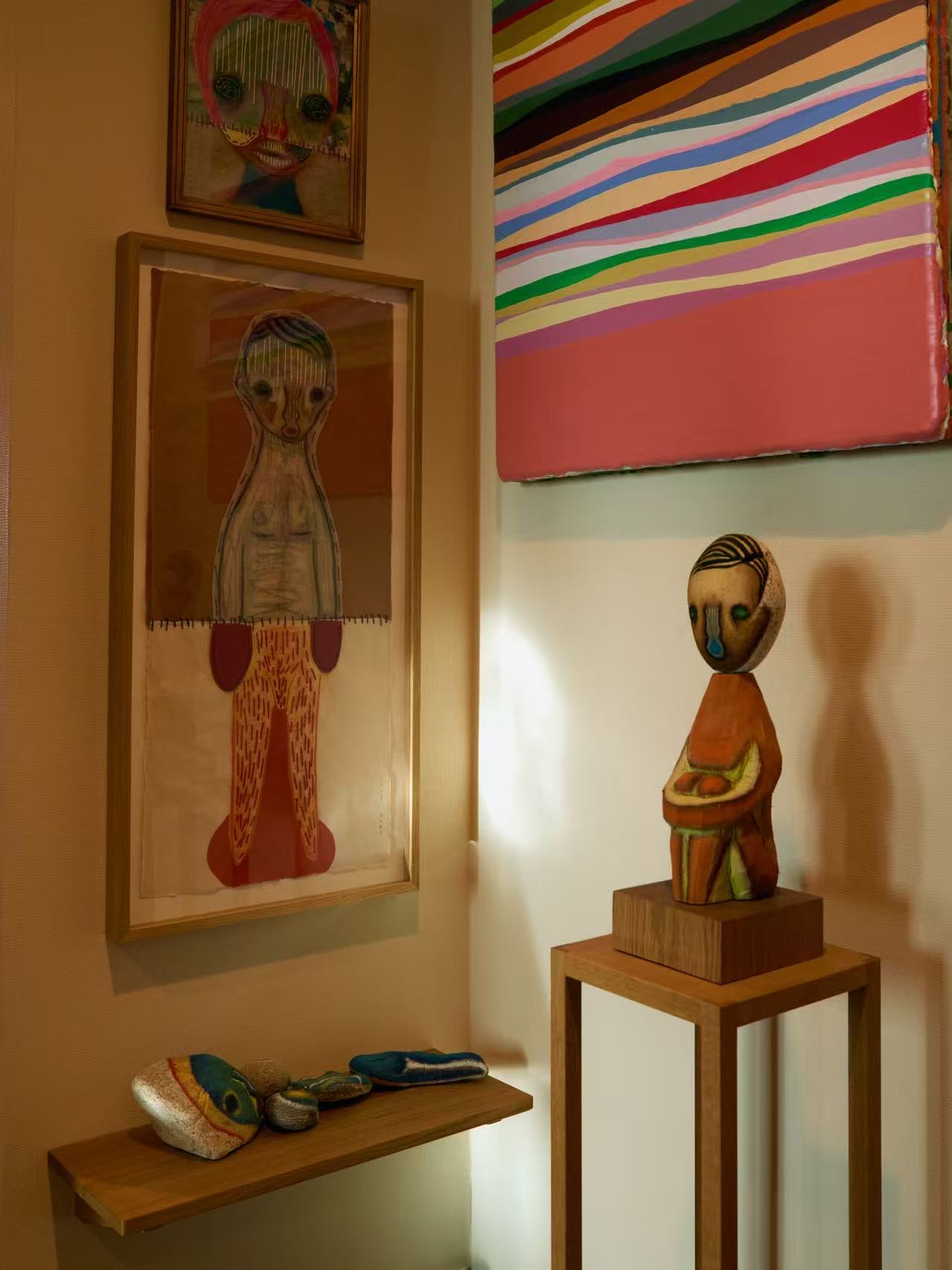
My collection follows a clear and consistent core theme, focusing on contemporary easel painting and sculpture art. My overall collection style tends to be pure, sincere, and thoughtful. I do not chase market trends or publicity stunts, but only focus on high-quality works with independent artistic language, sincere creative attitudes, and spiritual power. Adhering to this collection logic for years, I have gradually built a complete and unified personal collection system with both aesthetic and ideological value.
What kind of spiritual resonance and aesthetic experience do you value most in an artwork?
For me, the core of art collecting lies in pure spiritual nourishment rather than asset appreciation. I value most whether a work can transcend its visual form and achieve in-depth spiritual resonance with me. Excellent artworks possess unique souls beyond beautiful appearances. They can heal the mind, broaden cognition, trigger thinking, and bringing peace and strength to my busy life. I always pursue immersive aesthetic experiences, perceiving the warmth of art and understanding life through dialogue with artworks, which is the most precious value of collecting.
What were the first and the latest artworks you purchased?
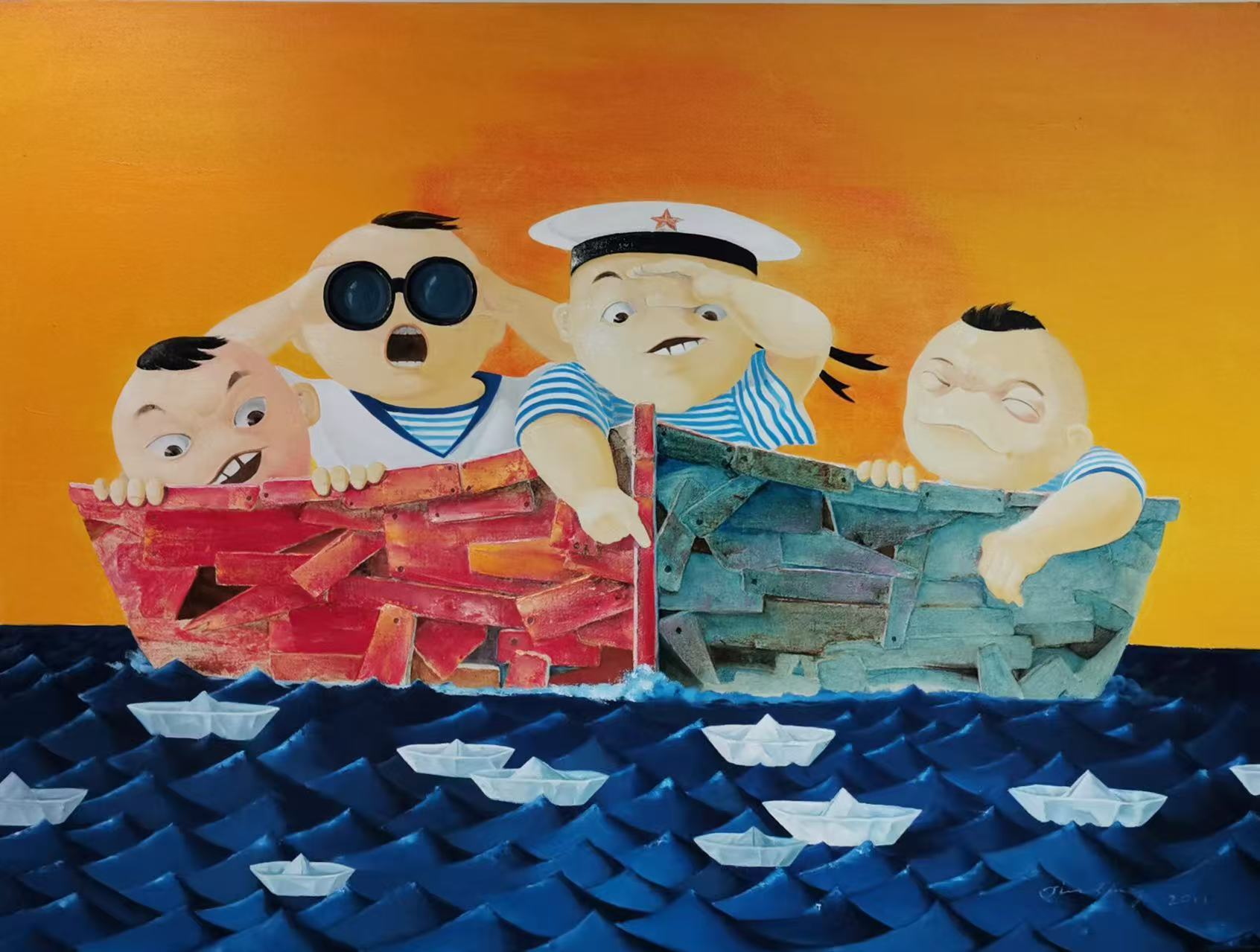
The first artwork I collected is the painting featuring four young sailors setting sail. My most recent acquisition is a work by emerging artist Zhi Wei, purchased through Beijing Commune gallery.
How many artworks do you own? Where do you display your collection?
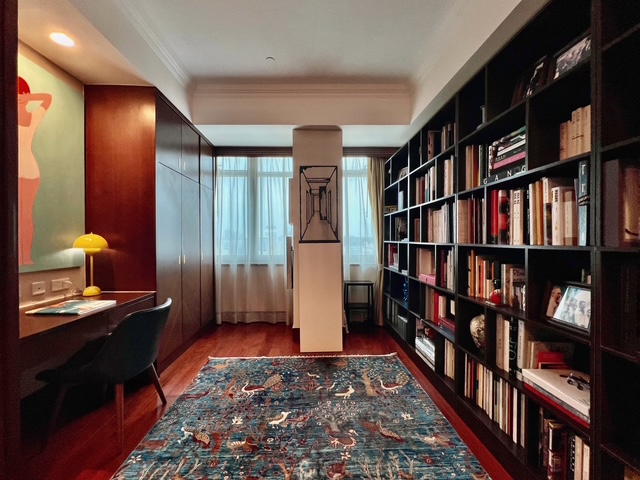
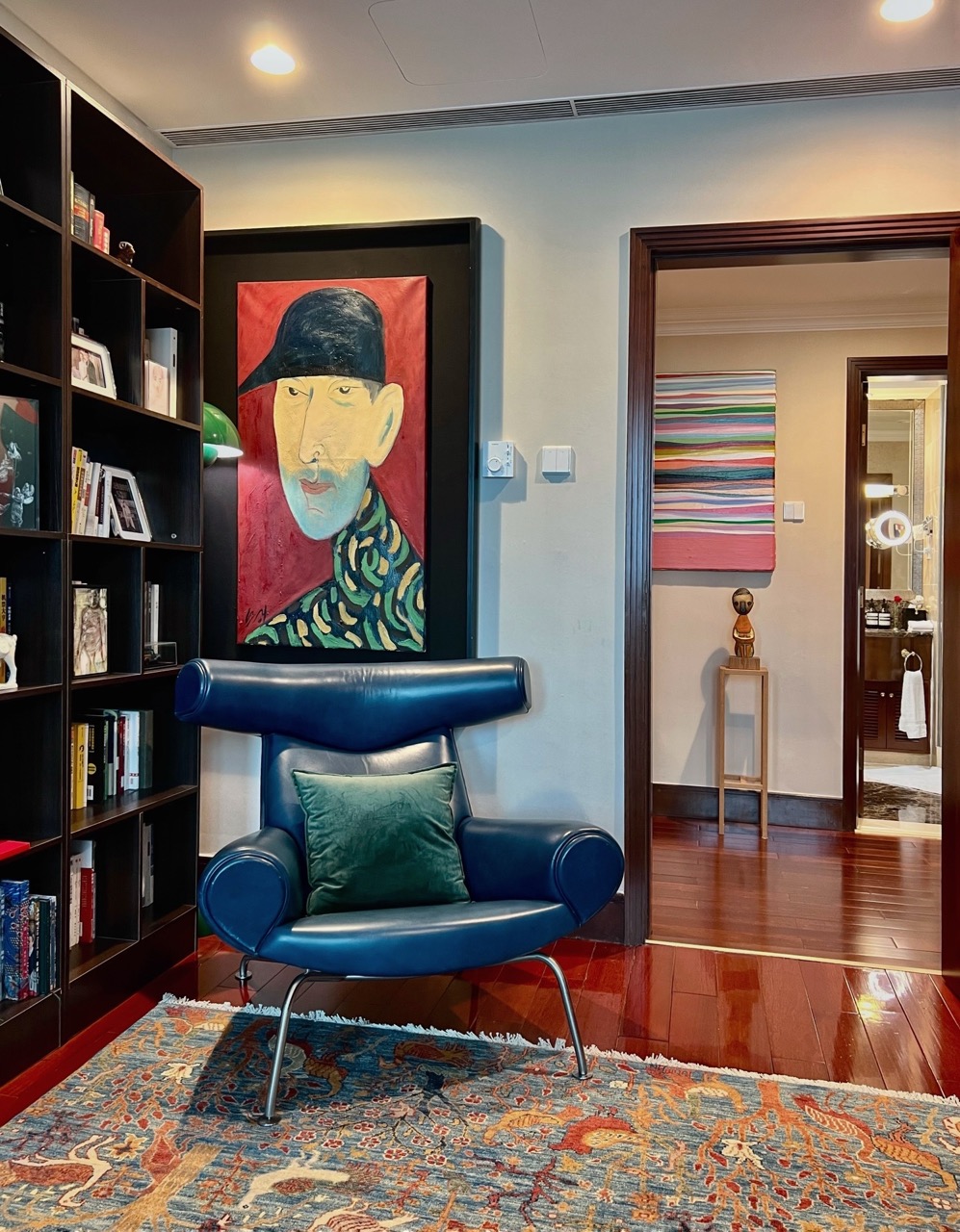
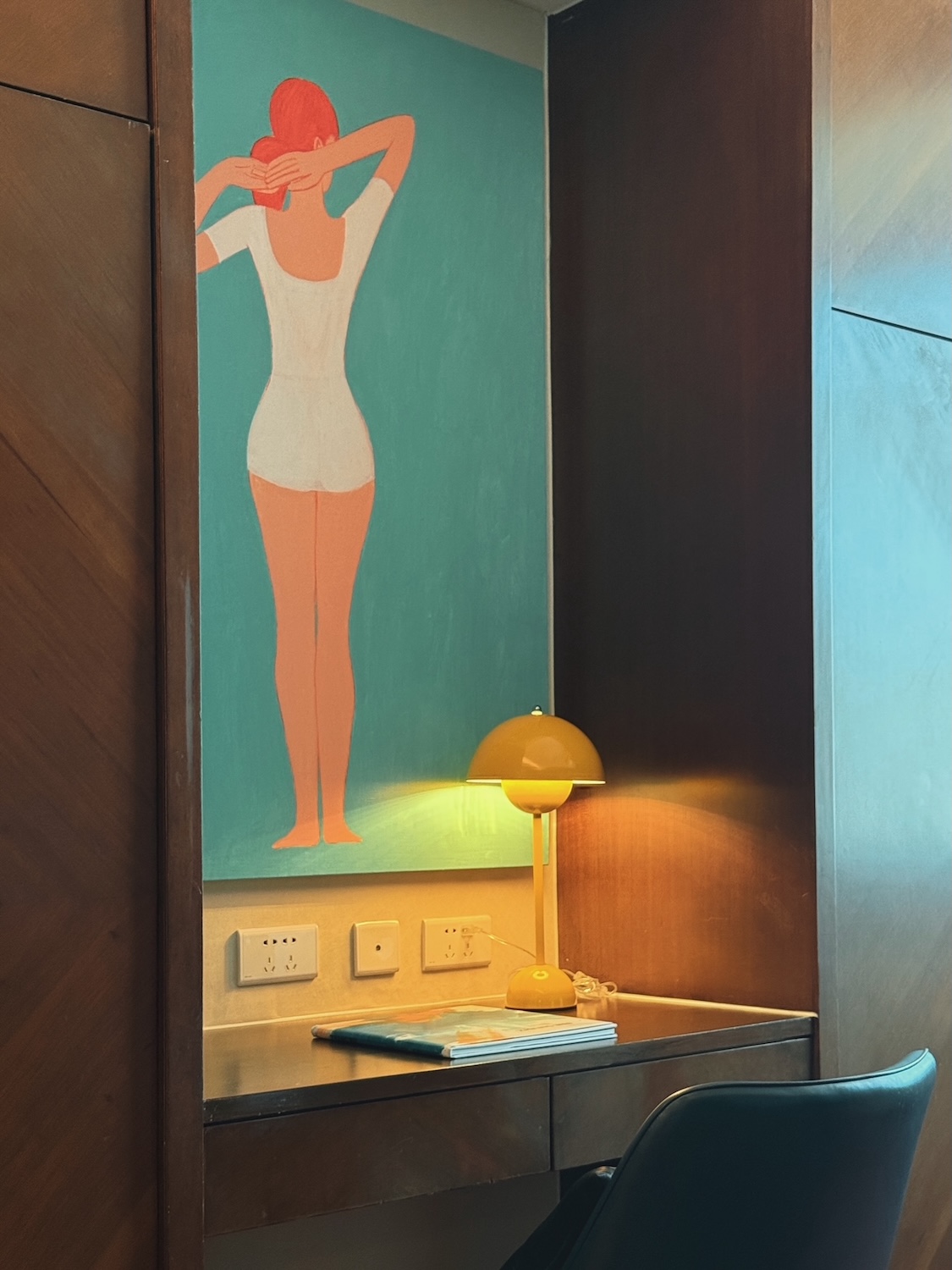
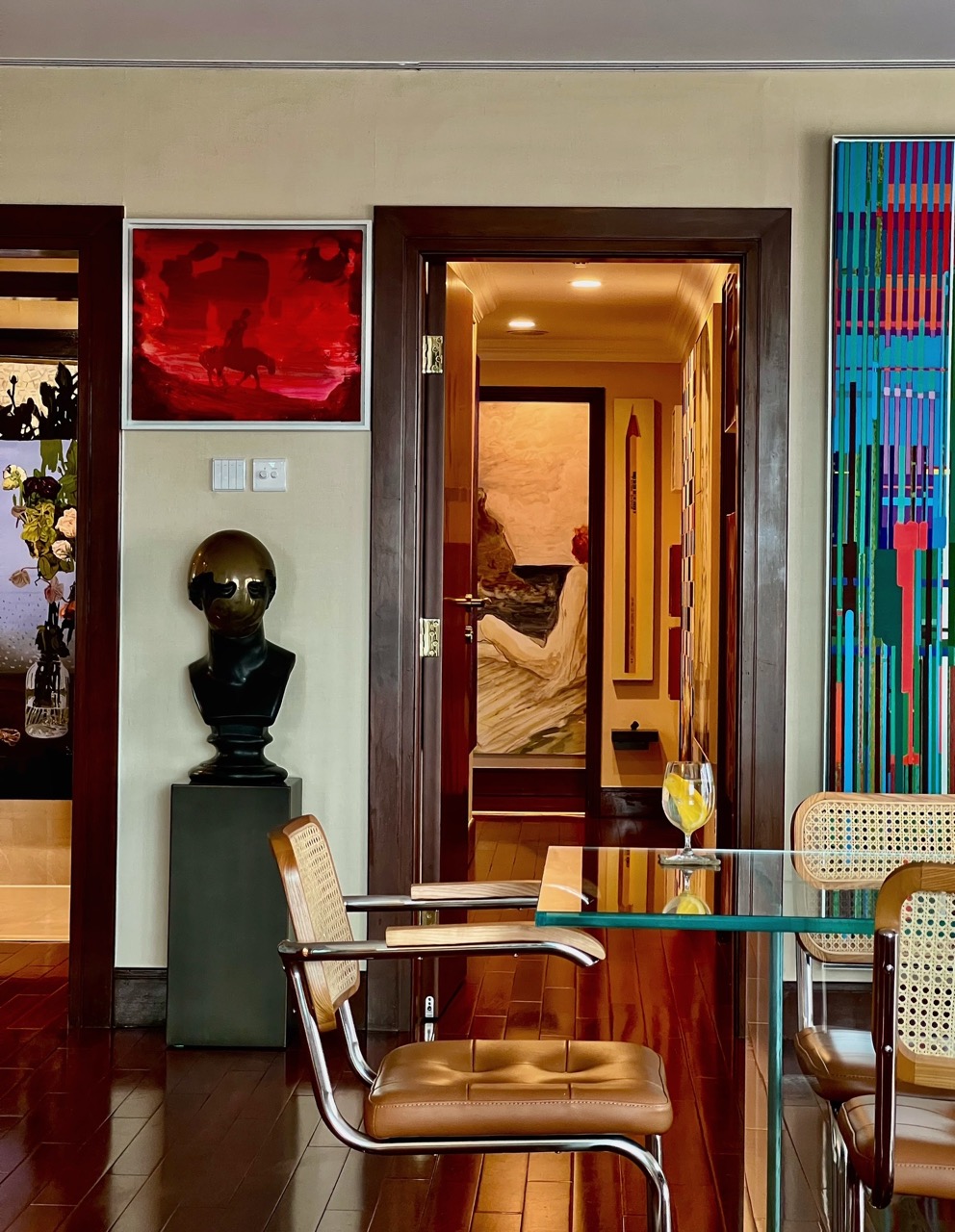
Up to now, my collection consists of approximately 400 artworks. Around 150 pieces are permanently displayed in my private living space, integrating art fully into my daily life.
The rest of my collection is professionally managed. Some works are kept in specialised fine art storage. In addition, selected artworks are regularly loaned out for public exhibitions, allowing my private collection to enter institutional contexts and reach broader audiences.
Have you ever presented art collection publicly?
I have loaned artworks to museums and art institutions for public exhibitions on multiple occasions. Many fellow collectors, museum directors, and curators have also visited my apartment to view the collection. That said, I have no plans to create a permanent public venue to showcase my works. Collecting remains fundamentally a personal passion for me, and I do not intend to operate a formal art institution.
What considerations guide you to make a purchase?
My primary standard for acquiring artworks is whether the piece can move me. This impact goes far beyond visual attraction; what matters more is whether it resonates deeply within me spiritually.
Second, I evaluate its unique contemporary identity, including its creative techniques, conceptual framework, and reflection of the current era. Above all, I value the genuine sincerity embedded in the artist’s creation.
Judging art is a sophisticated process involving multiple dimensions, with no one-size-fits-all standard. I keep learning consistently to refine my aesthetic discernment.
Is there any kind of artwork that can make you write a cheque without any consideration?
Such cases do exist. A recent acquisition by emerging artist Zhi Wei serves as a perfect example. Raised in China and educated overseas, he boasts a cross-cultural creative background. When I first viewed his works, I instantly recognised his distinctive artistic voice that stands out sharply among peers, bringing a strong sense of freshness. This outstanding uniqueness convinced me to collect his pieces without hesitation.
What is your most treasured artwork?
Frankly speaking, this is a difficult question to answer. I cherish every piece in my collection, as each possesses its unique charm. It is impossible for me to single out one favourite because all of them are equally beloved to me.
How important is it for you to meet the artists who created the artwork?
I do not make a point of seeking out every artist behind the works I collect. Admittedly, in-depth conversations with creators do help me grasp their concepts and creative logic, which enhances my understanding of the art. Nevertheless, such close contact can take away the subtle, ambiguous charm of the artwork. What I truly appreciate is the piece itself rather than the person who made it. At the core, it is the artwork that moves me, not the artist.
In what ways do you support emerging artists beyond acquiring their work, particularly during difficult periods in their careers?
From my perspective, the most substantial support I can offer emerging artists is purchasing their artworks. Beyond collecting, I also introduce them to fellow collectors to draw wider attention to their creations, which proves to be a direct and effective way to help them advance.
What was your happiest moment being involved in art?
It is hard to name just one, as there are countless joyful moments along my art journey. Discussing artworks with like-minded collectors, exchanging artistic ideas with distinguished curators, visiting museums, and attending art fairs are all memorable experiences that bring me immense delight.
What is your art-world pet peeve?
To my mind, art collecting serves as a multi-faceted way to elevate personal aesthetic awareness. What I strongly disagree with is treating art collection merely as an investment vehicle, for such an attitude strips collecting of its unique charm. Admittedly, every collector hopes their works can win recognition from the market and professionals, alongside value appreciation, which acts as validation of one’s judgment. Still, financial gain should never be the sole purpose of collecting.
Who inspires you the most in the art world?
The American collector couple Dorothy and Herbert Vogel have exerted an enormous influence on me. They were ordinary working-class people yet assembled an extensive collection of pivotal artworks spanning post-war American art to contemporary creations. They accompanied countless artists throughout their careers and chronicled the evolution of contemporary art via their holdings, a legacy worthy of deep respect.
They lived extremely frugally and channelled nearly all their available resources into collecting. In their later years, they donated a great many masterpieces to contemporary art museums across all fifty US states, setting a powerful example that I strive to follow.
Why has art become important in your life? Is it a passion or an obsession or both?
Art brings me indescribable joy and drives my personal growth. It motivates me to learn about history, humanities, religion, geography, and social studies, enriching my life in all dimensions. Moreover, appreciating and collecting art adds far more depth to my travels.
For me, passion and obsession merge as one. It is the delight art offers that makes me dedicated to immersing myself in this pursuit and savouring it endlessly.
What is your advice to young and fresh collectors?
First and foremost, new collectors should learn art history systematically. It is essential to view original works frequently by visiting museums, galleries, and art fairs to build intuitive aesthetic perception. Collecting art is a sophisticated, multi-dimensional practice. Therefore, continuous learning, extensive viewing of artworks and active communication with experienced collectors are indispensable steps for emerging collectors.
Name three promising emerging artists worthy of widespread attention in the art industry.
I recommend three distinctive rising artists with strong academic and market momentum: Chinese painter Zhi Wei, Italian artist Viola Leddi, and Korean-American artist Julia Jo.
Zhi Wei is represented by Beijing Commune. His overseas education nurtures a unique cross-cultural painting vocabulary that stands out among young Chinese contemporaries. Italy’s Viola Leddi works across painting and ceramic sculpture, re-examining Western art history from a feminist lens; she has exhibited with Pace Gallery and at Art Basel, backed by top-tier European institutional support. Brooklyn-based Korean-American Julia Jo blends Baroque painting with Abstract Expressionism, exploring cross-cultural interpersonal emotion. Represented by leading New York and San Francisco galleries, her auction results have grown steadily. Collectively, they represent promising new trajectories across China, Europe and the US and merit sustained industry attention.
What are you especially excited about in regard to art in the next 12 months?
Objectively speaking, I hold no particular expectations for new trends or shifts in the art scene. Art has existed alongside humanity ever since recorded history began. It evolves naturally as times change, yet I see no need to deliberately chase hyped trends and market novelties.
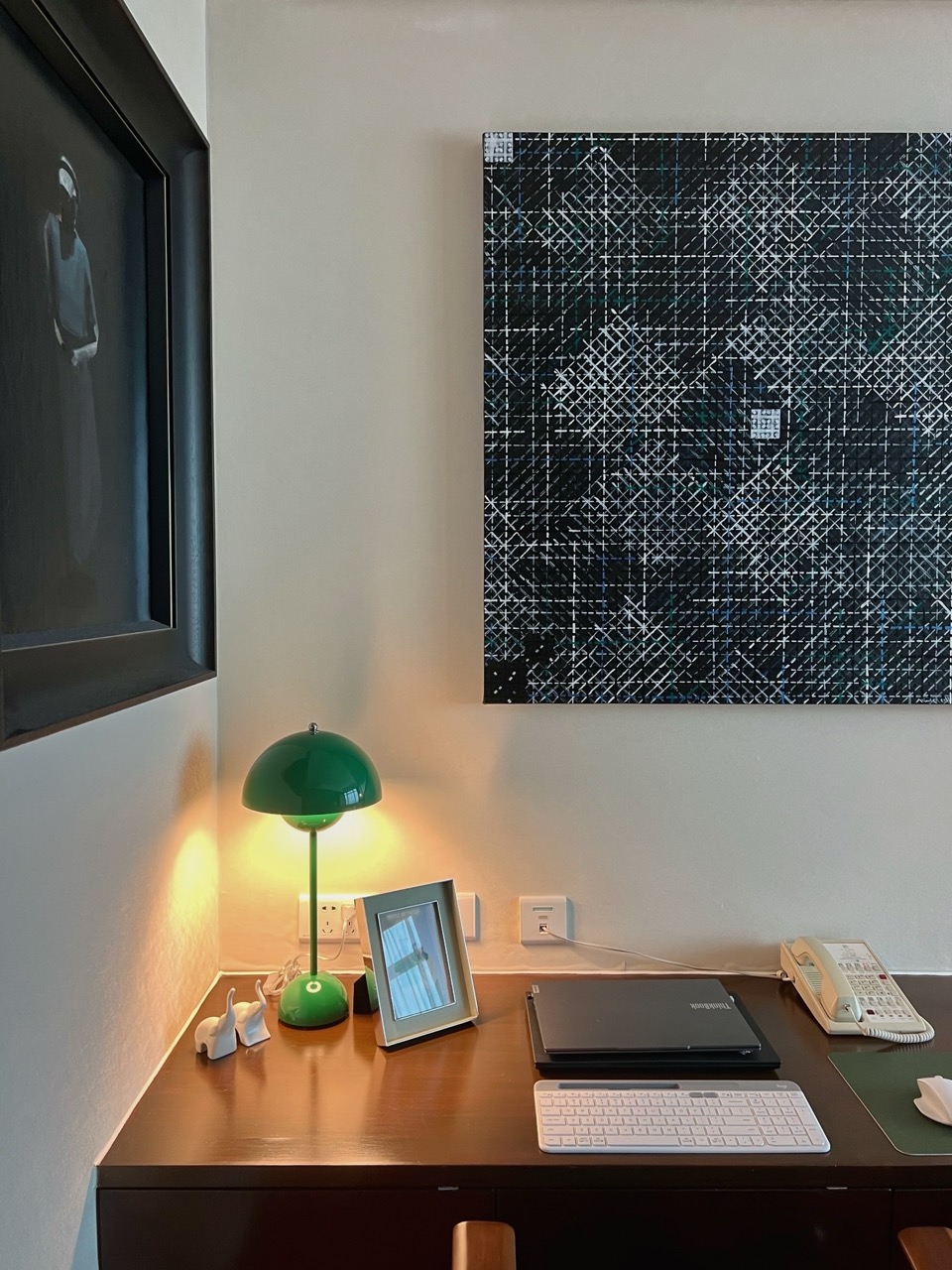
You built your career as a top executive at major multinational companies before turning seriously to collecting. How has that corporate discipline shaped, or clashed with, your instincts as a collector?
Absolutely. My previous career as a senior executive at multinationals cultivated rigorous and systematic logical thinking, as well as a work ethic focused on continuous research and self-improvement. All of this professional experience complements and reinforces my approach to art collecting.
You host informal art salons at home where entrepreneurs, artists and musicians mix business talk with gossip. What was the most memorable conversation that has come out of one of these evenings?
Over years of collecting, art has connected me with friends from all walks of life. The most memorable dialogue at my salons was with renowned writer Yu Hua. He shared that being surrounded by contemporary artworks fills a space with a distinctive artistic aura that brings ease and comfort, making people want to linger. This plain, genuine feeling perfectly embodies the inherent charm of art.

How do you approach evaluating new or trending categories of art, such as street art or NFTs?
I keep following emerging trending categories including street art and digital art, yet I have no plans to acquire such works at present. As technology evolves, new art forms will keep emerging naturally. Still, I choose to stay focused on my established niche: easel paintings and sculptures.
What personal principles guide you as a collector and in life more broadly?
My core life principles are lifelong learning and perseverance in all pursuits.
A selection of artists Dongyuan collects:
Izumi Kato
Julia Jo
Viola Leddi
Zhi Wei
Edited by Ricko Leung
