


- Angola -and Portugal-based collector Ivanilson Machado presents his private collection to the public in Luanda for the first time
- Featuring Angolan, African and international artists, the exhibition titled The Legacy Collection brings together diverse perspectives on Black art and cultural identity.
- The show explores how collecting can preserve cultural memory, support artists, foster dialogue across diverse communities and ensure that cultural heritage reaches future generations
Luanda is the setting for a new conversation about collecting and who preserves and shapes the future of Black art. On October 25, Angola- and Portugal-based collector Ivanilson Machado opened his private collection to the public for the first time at Cidade Financeira premises. Titled “The Legacy Collection”, the exhibition brings together Angolan, African and international artists whose works reflect on heritage, identity, and the stories passed between generations. Gathered over several years, Machado has built a collection that brings different artistic practices and cultural perspectives into dialogue, presenting a diverse range of Black art and cultural identity to the public.
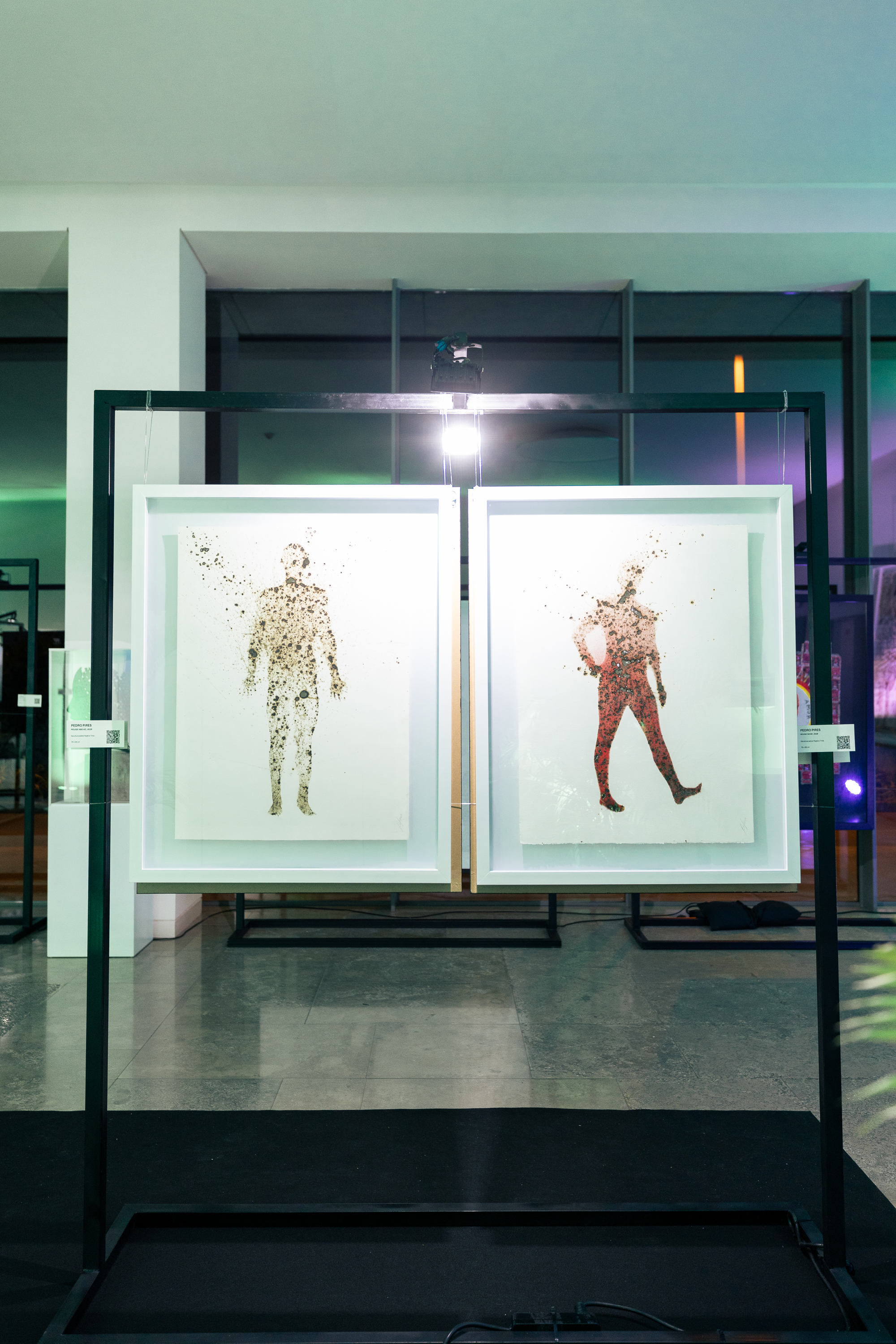
The “Legacy Collection” features works by António Ole, Esther Mahlangu, Binelde Hyrcan, Francisco Vidal, Kobra, Beto Gatti, Osvaldo Ferreira, Paulo Kapela, Cristiano Mangovo, Benigno Mangovo, Uólofe Griot, Van, Patricia Jackson and Naguy Tungila. Through painting, sculpture, textile and collage, the exhibition offers a diverse view of artistic production, where questions of tradition, power, memory and belonging take different forms.
LARRY’S LIST spoke with Ivanilson Machado on collecting, preserving and celebrating Angolan and African contemporary art.
Inheriting and Reimagining Tradition
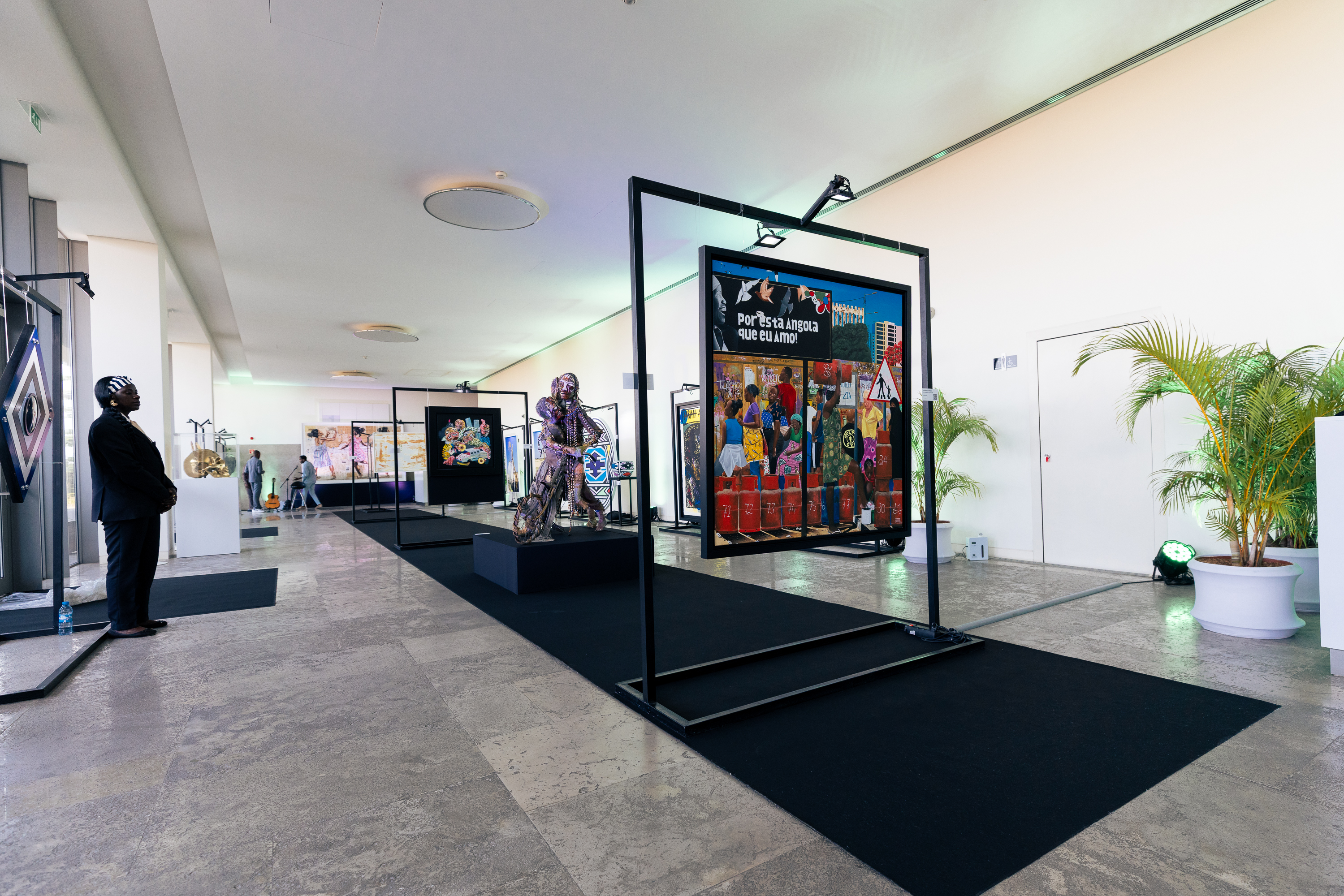
At the heart of “The Legacy Collection” is a question of transmission: what do artists inherit from those who came before them, and how do they transform that inheritance for the next generation? António Ole and Esther Mahlangu offer two distinct perspectives. Ole’s internationally recognised practice has fostered dialogue across generations, drawing his work into conversation with younger artists in the collection, among them Binelde Hyrcan and Francisco Vidal. Mahlangu, meanwhile, carries the Ndebele painting tradition into new contexts, expanding its reach while keeping it rooted in its cultural origins.
Their presence highlights a central tension in the idea of legacy. Preserving a tradition does not mean leaving it untouched. Its continued relevance often depends on artists finding new ways to interpret, challenge and carry it forward.
Power, Memory and Belonging
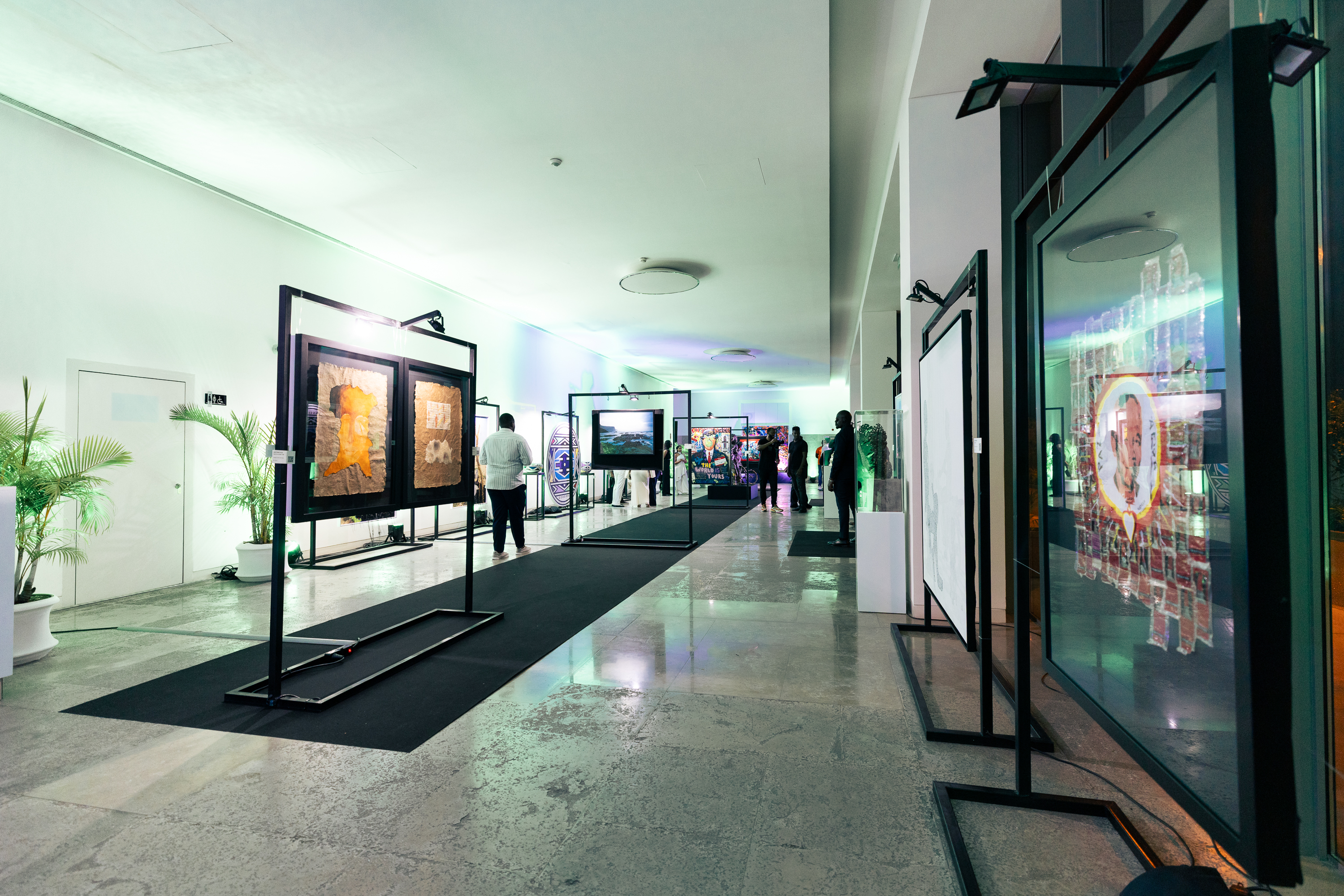
Running through the display, artists approach questions of identity, power, memory and belonging through a wide range of visual languages.
Binelde Hyrcan, whose work gives the exhibition its visual identity, uses irony to address questions of power. Cristiano Mangovo confronts censorship through double-mouthed figures, while Benigno Mangovo reflects on memory and resilience.
Uólofe Griot questions Angolan identity; Van brings more than four decades of practice to the dialogue, and Patricia Jackson uses collage as a means of exploring memory and heritage. These works do not offer one definitive account of Black identity. Instead, they reveal how personal histories, collective memory and social realities shape the ways artists understand the worlds they inhabit.
Collecting as an Act of Care
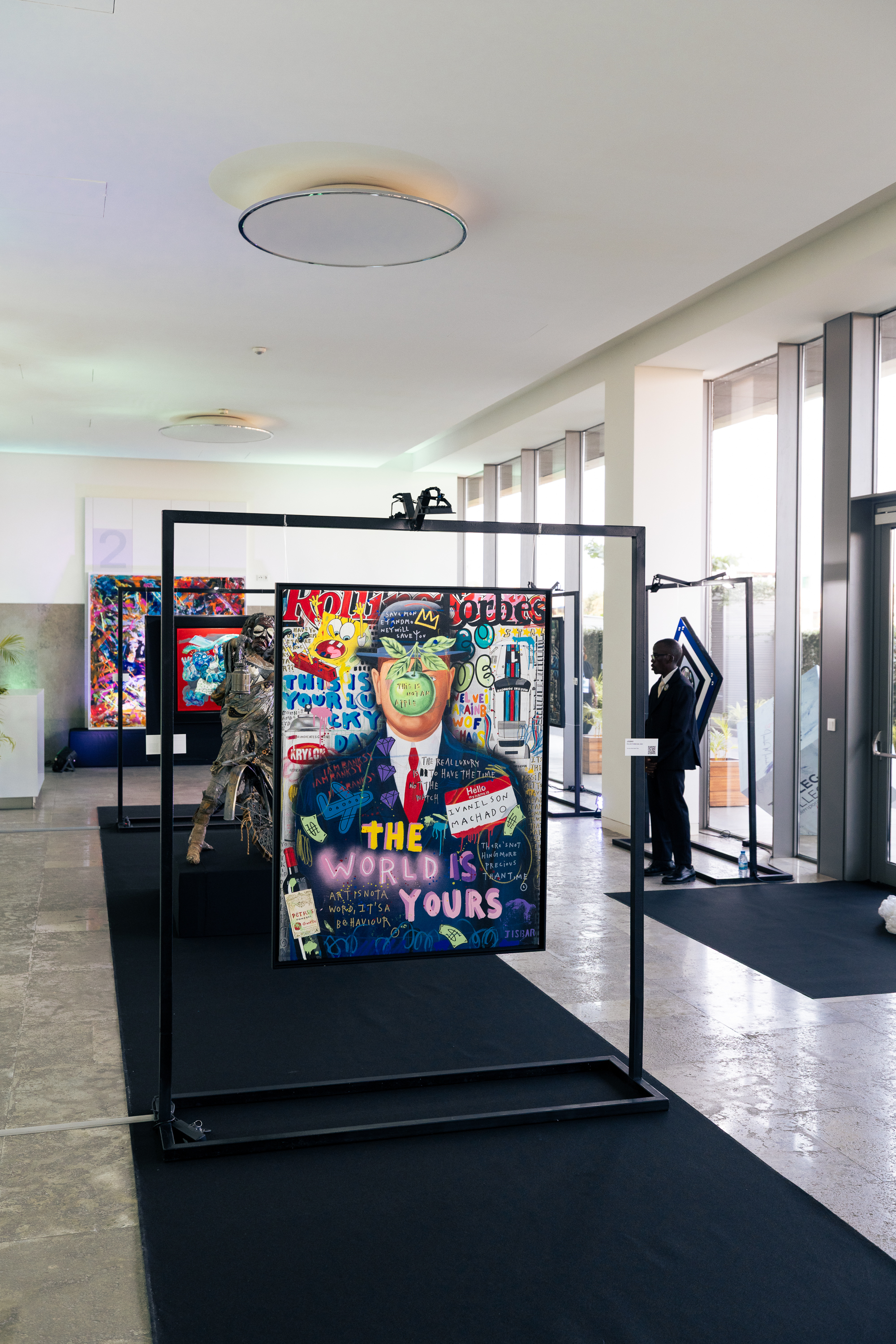
The idea of legacy extends beyond the artworks themselves to the relationships that make their creation and continued visibility possible.
In Naguy Tungila’s robotic figures, blue bodies and dissonant gazes occupy the canvas collectively, creating an unsettling and restless presence. Machado has followed Tungila’s journey from the beginning, making their relationship an example of collecting as an ongoing commitment rather than a simple act of acquisition. Such relationships can be consequential for artists, particularly those still developing their practices and audiences.
By supporting artists over time, collectors can contribute to the conditions in which their work is created, exhibited and remembered. In this sense, collecting becomes a form of cultural participation: it is not only about what is owned, but also about what is sustained.
From Private Collection to Public Legacy
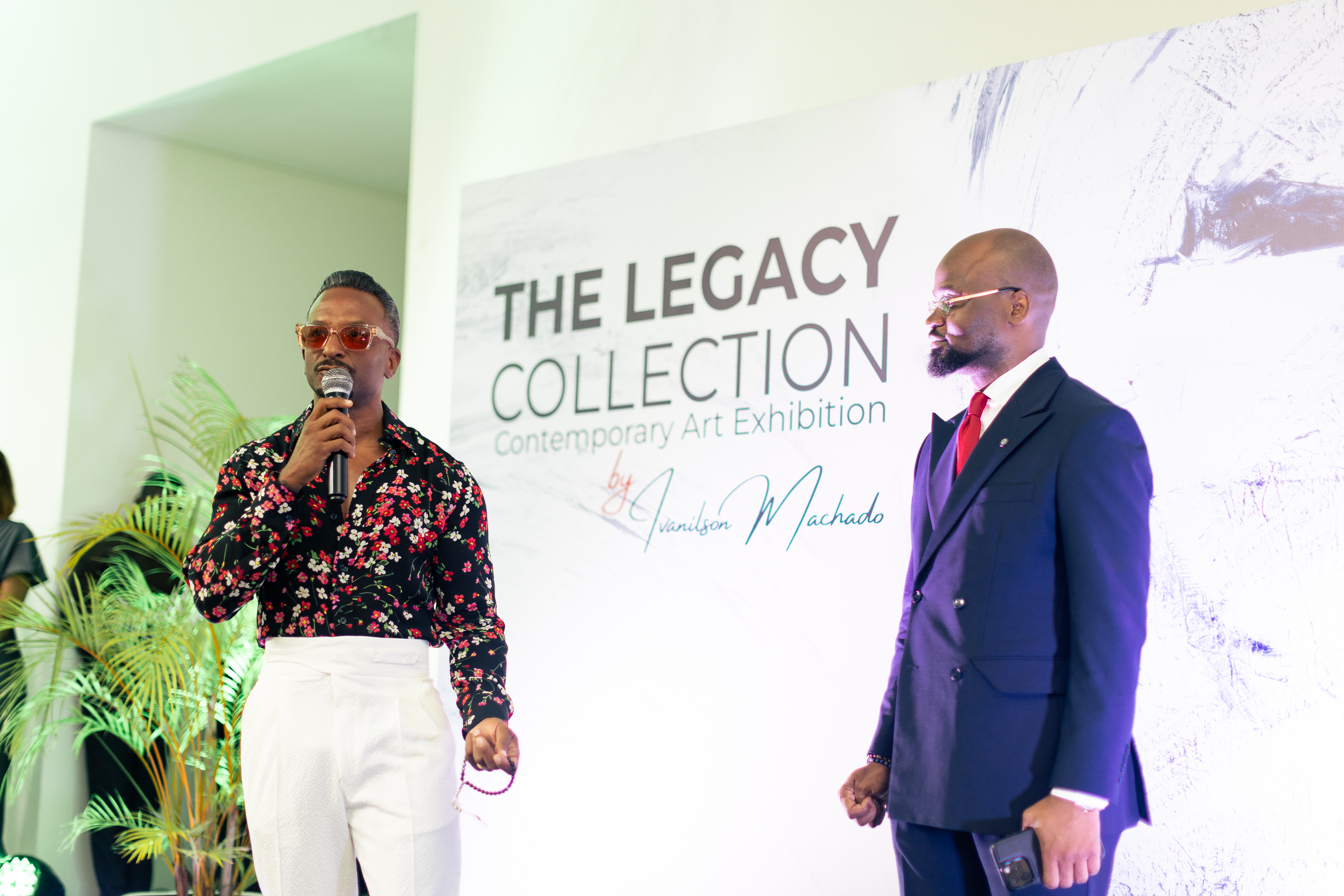
With its first public presentation, “The Legacy Collection” opens Machado’s holdings to a wider audience and invites a new set of encounters with the works. What was once held privately becomes part of a broader cultural conversation, allowing visitors to discover connections between artists, generations and histories.
The exhibition also raises a question that extends beyond any individual collection: what does it take for an artistic legacy to endure? Works must be preserved, but their histories also need to be shared, discussed and made accessible. Artists need recognition, and their contributions need to remain visible as new generations encounter and reinterpret them.
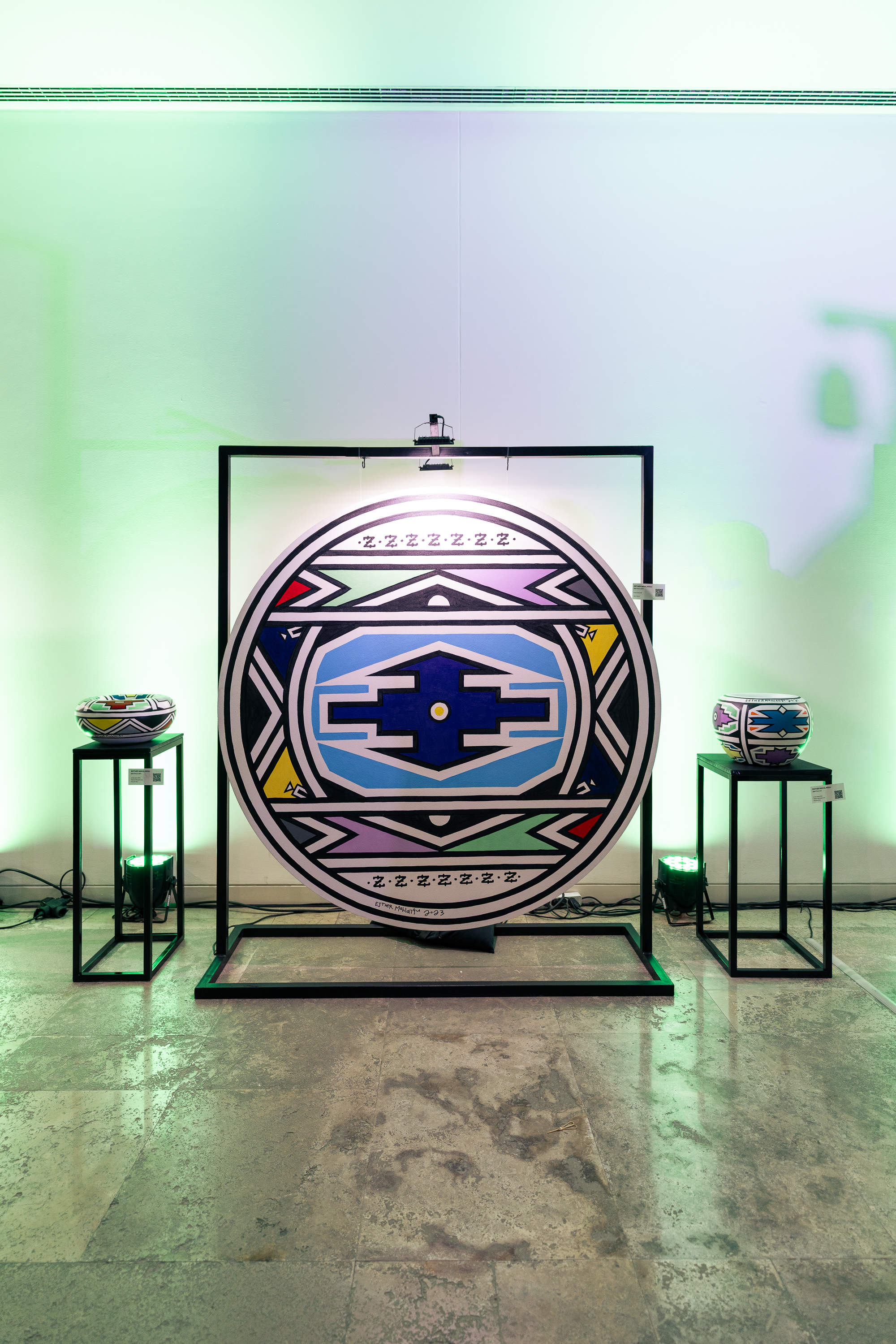
By bringing this collection into public view in Luanda, Machado places these ideas at the centre of the exhibition. “The Legacy Collection” ultimately presents legacy not as something fixed or inherited unchanged, but as something continually shaped by the people who create, collect, preserve and engage with art.
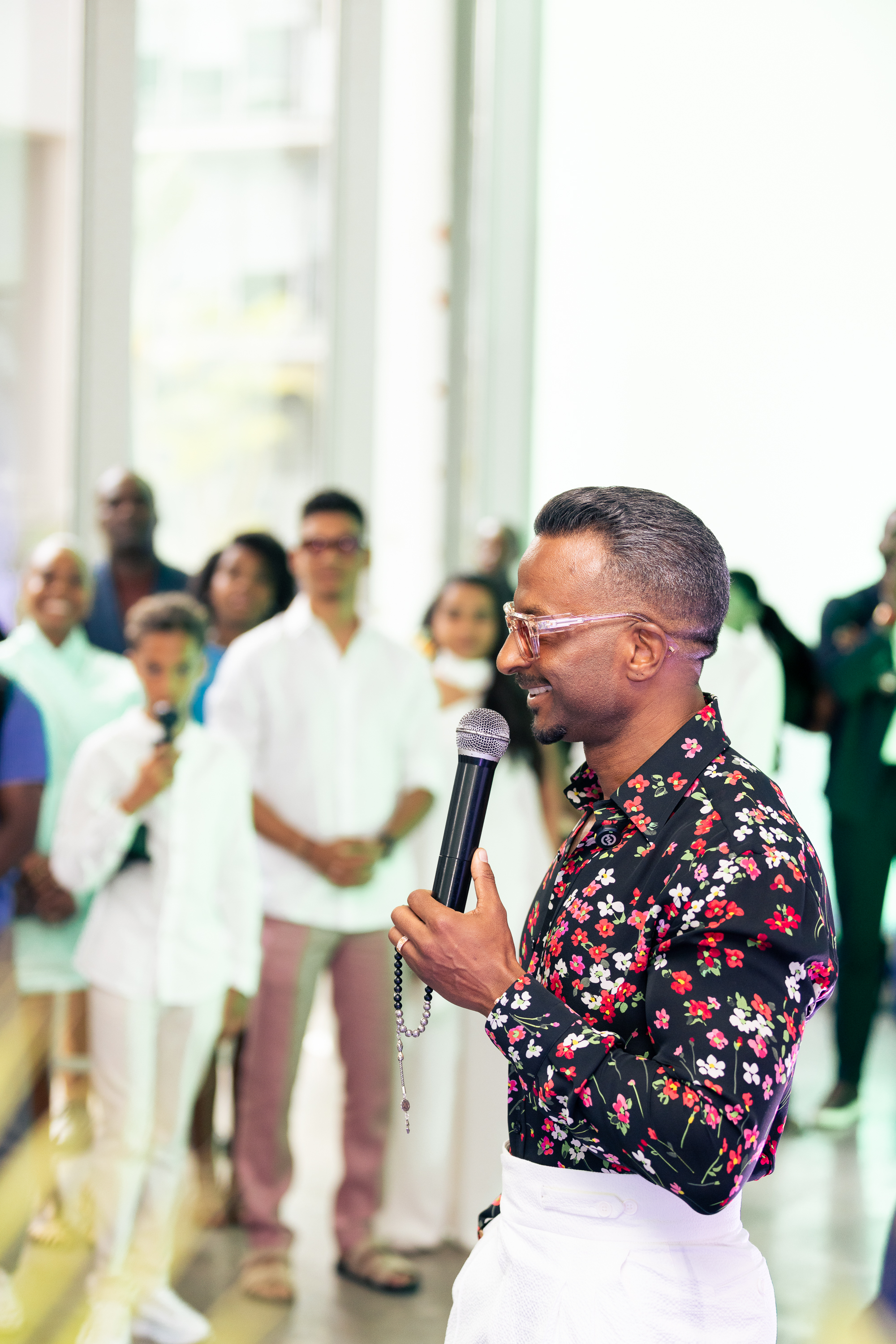
How can private art collections contribute to preserving and expanding the visibility of Angolan and African contemporary art?
Private art collections play an important role in preserving and celebrating Angolan and African contemporary art. Collecting goes far beyond acquiring artworks. It is about recognising artistic talent, believing in artists’ work, and contributing to the preservation and sharing of their stories, perspectives, and cultural expressions with the world.
In the Angolan context, I believe there is a particular responsibility to give our artists greater visibility, creating opportunities for their work to be recognised beyond national borders. Every artwork carries a vision, an identity, and a part of our collective history that deserves to be preserved. This is why I see collecting as a commitment to the future. A collection can become a space for discovery, dialogue, and knowledge, bringing new audiences closer to art and helping artists continue to create, evolve, and inspire future generations. I believe a truly meaningful collection is not measured solely by the artworks it brings together, but also by the cultural impact it creates and the legacy it leaves behind.
What responsibility do collectors, institutions, and audiences share in ensuring that these artistic legacies endure for future generations?
I believe preserving an artistic legacy is a shared responsibility. Collectors have the opportunity to recognise and support artists, preserve their works, and contribute to ensuring that their artistic contributions remain relevant over time. Institutions, in turn, play a fundamental role in researching, documenting, conserving, and promoting art, creating the conditions for this heritage to remain accessible and meaningful to different generations. Audiences also have an essential role to play. Through engagement with art, curiosity, dialogue, and an openness to different perspectives, artworks remain alive and continue to acquire new meanings. A legacy is not preserved through physical conservation alone. It is also preserved when it is discovered, discussed, valued, and passed on. When it comes to Angolan and African art, this responsibility becomes even more significant. Our histories, identities, and artistic expressions deserve to be documented and celebrated, not only for their cultural significance but also for the contribution they make to our understanding of the contemporary world.
At “The Legacy Collection”, I believe collecting means embracing this commitment. It means recognising the value of what is being created today and helping ensure that this value endures tomorrow. Because a true legacy lies not only in the artworks we preserve, but also in what we are able to pass on through them.
Dates: 25 October – 8 November 2026
Venue: Cidade Financeira, Luanda
Instagram: @thelegacycollection.by.im, @ivanilson.machado
Read more: Ivanilson Machado was also featured in the latest NEXT GEN ART COLLECTOR REPORT by LARRY’S LIST, including over 120 collectors profiled across five continents.
