


- Art Jakarta welcomed 41,646 visitors over three days at JIExpo Kemayoran
- Galleries reported healthy sales despite the challenging economic climate
- AJ Spot, AJ Scene and the debut of AJ Scope gave collectors new ways to engage with the fair beyond the standard gallery booths
Art Jakarta wrapped up its sixteenth edition on a strong note from 2–4 October 2026, at JIExpo Kemayoran. Bringing together 75 galleries, including 33 international participants and 19 first-time exhibitors, the fair once again highlighted the growing connections of the South Asian contemporary art scene and the wider international art system.
LARRY’S LIST picks out 7 highlights from this year’s refreshed edition, exploring how Art Jakarta continues to shape conversations around collecting, artistic exchange, and the development of the contemporary art landscape in the region.
A Growing Audience Reflects the Fair’s Continued Relevance
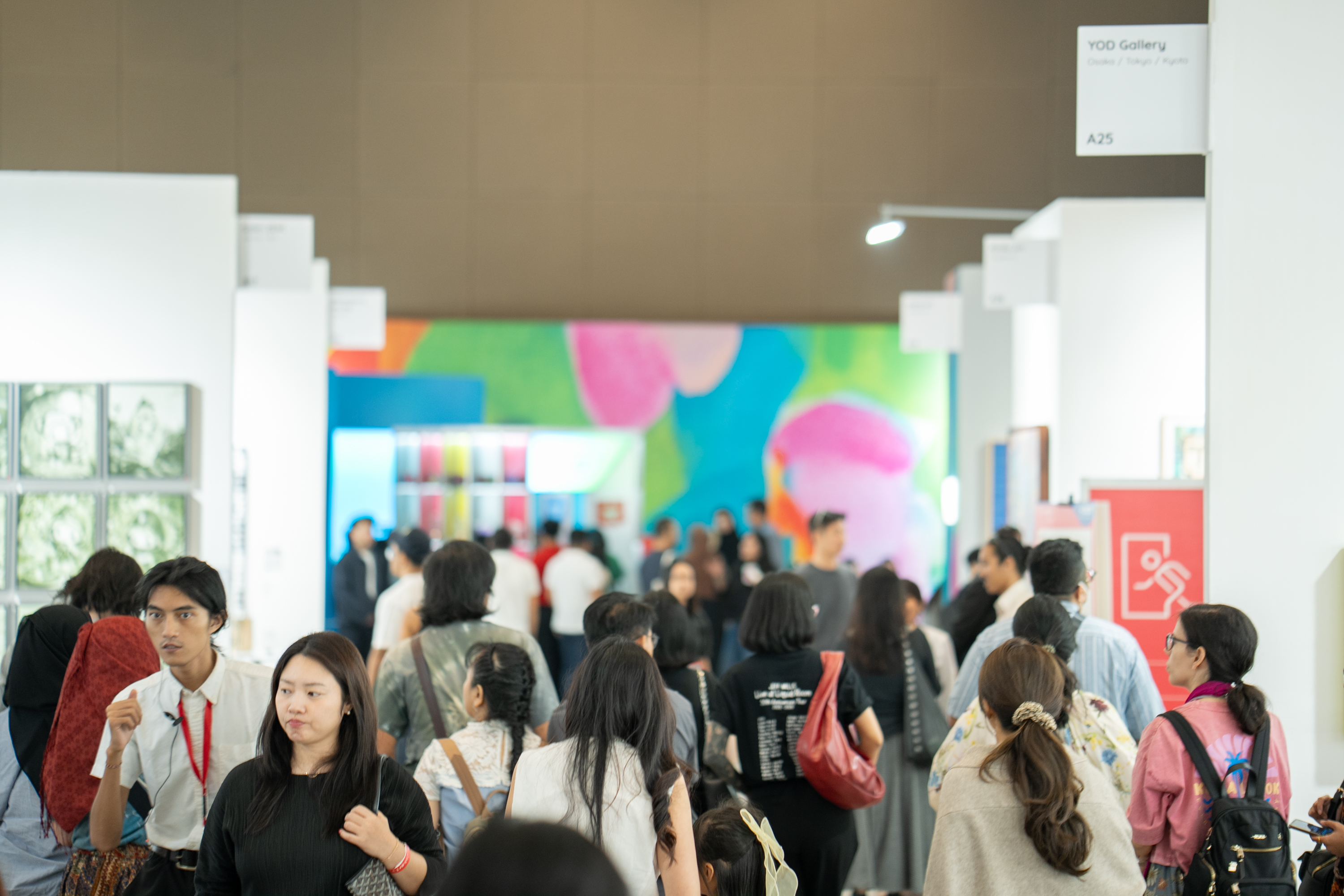
With 41,646 visitors over three days, Art Jakarta continued its steady rise in attendance. The results reflect the fair’s expanding reach and its role as a central meeting point for collectors, galleries, artists, and art enthusiasts. This is also a reminder that seeking works in person and meeting the people behind them remains a vital part of the art-buying experience.
Sales Held Up Despite Economic Uncertainty
Galleries reported healthy sales despite the challenging economic climate, demonstrating the resilience of the art market and collectors’ confidence to invest in art.
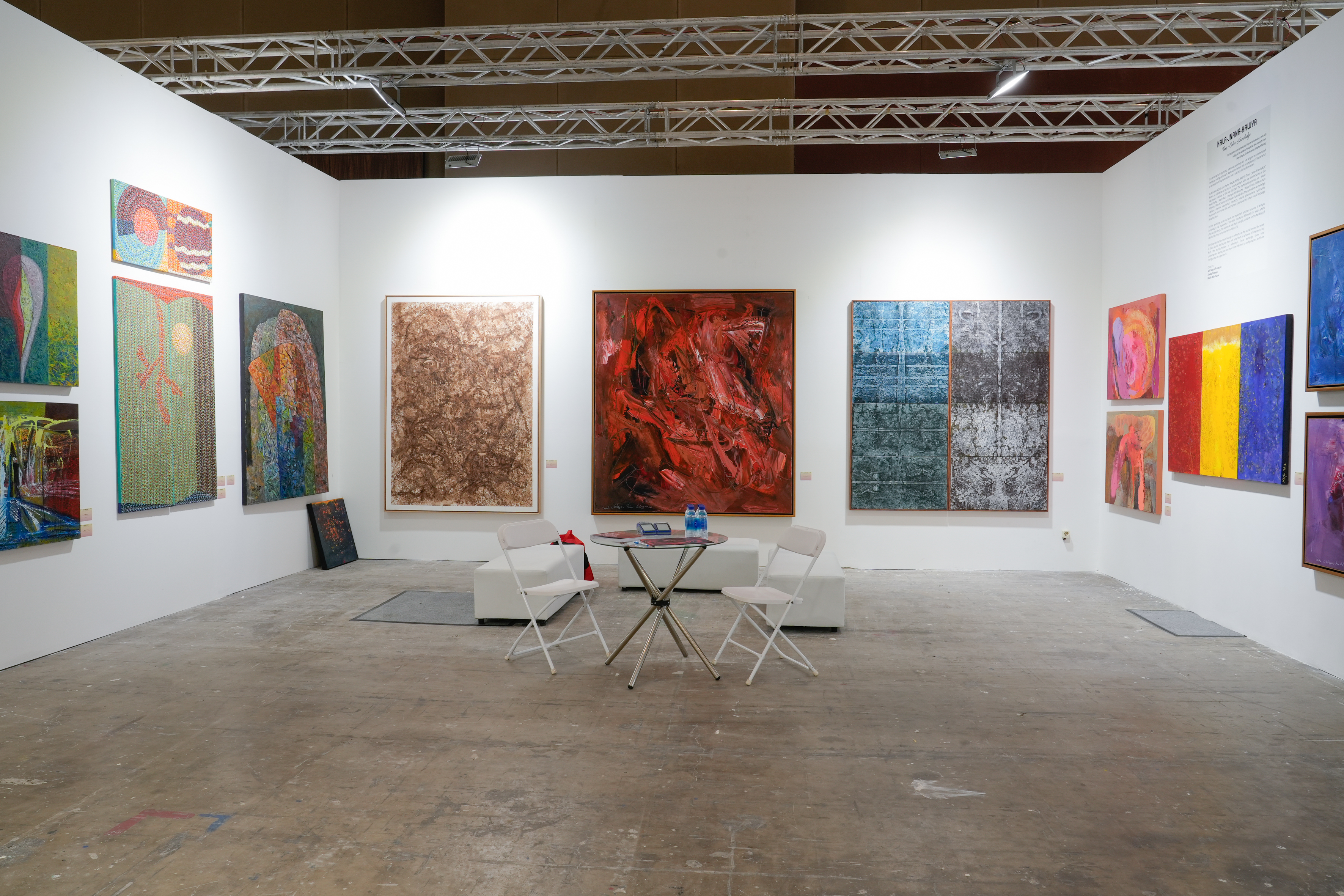
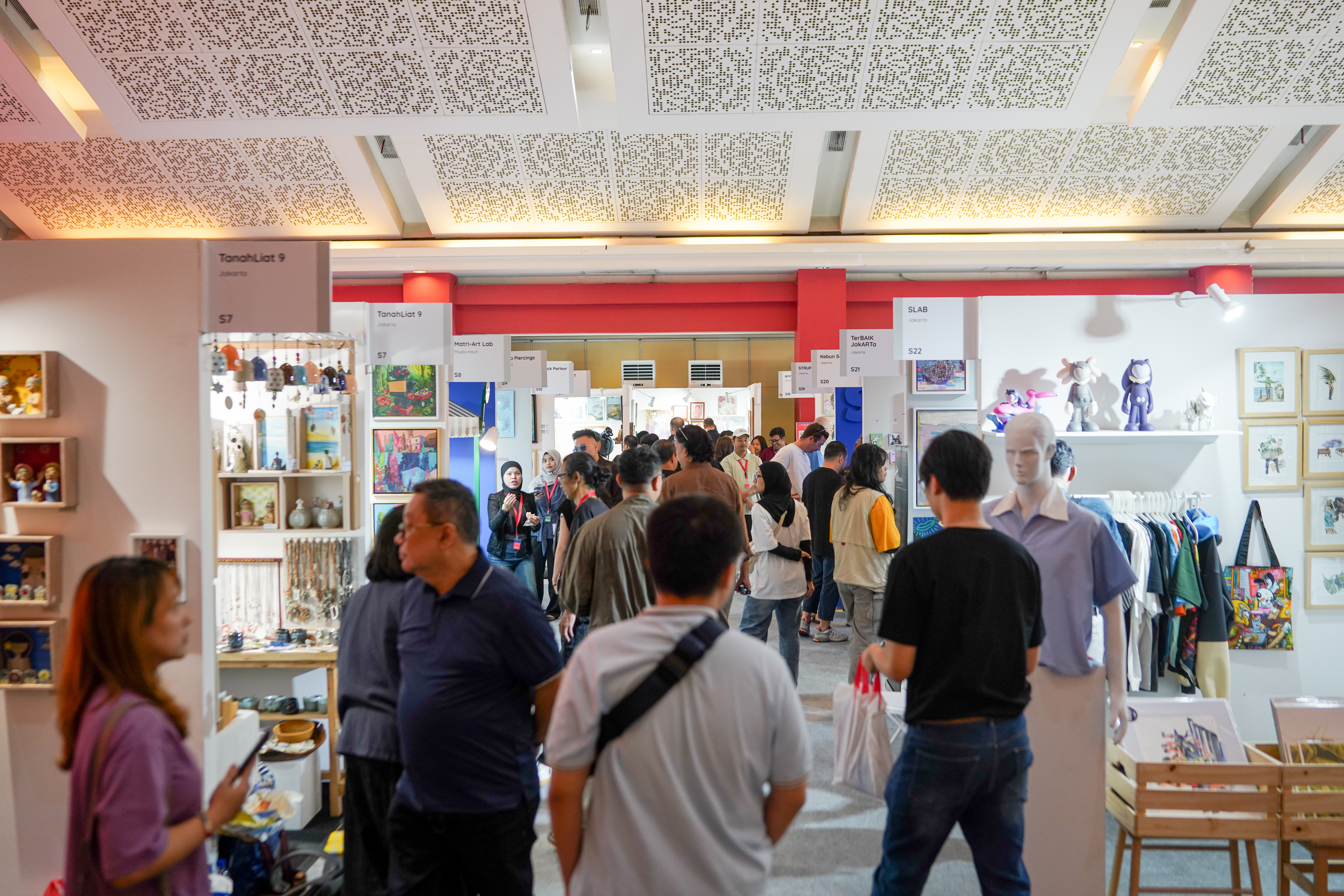
Indonesian Galleries Remain at the Heart of the Fair
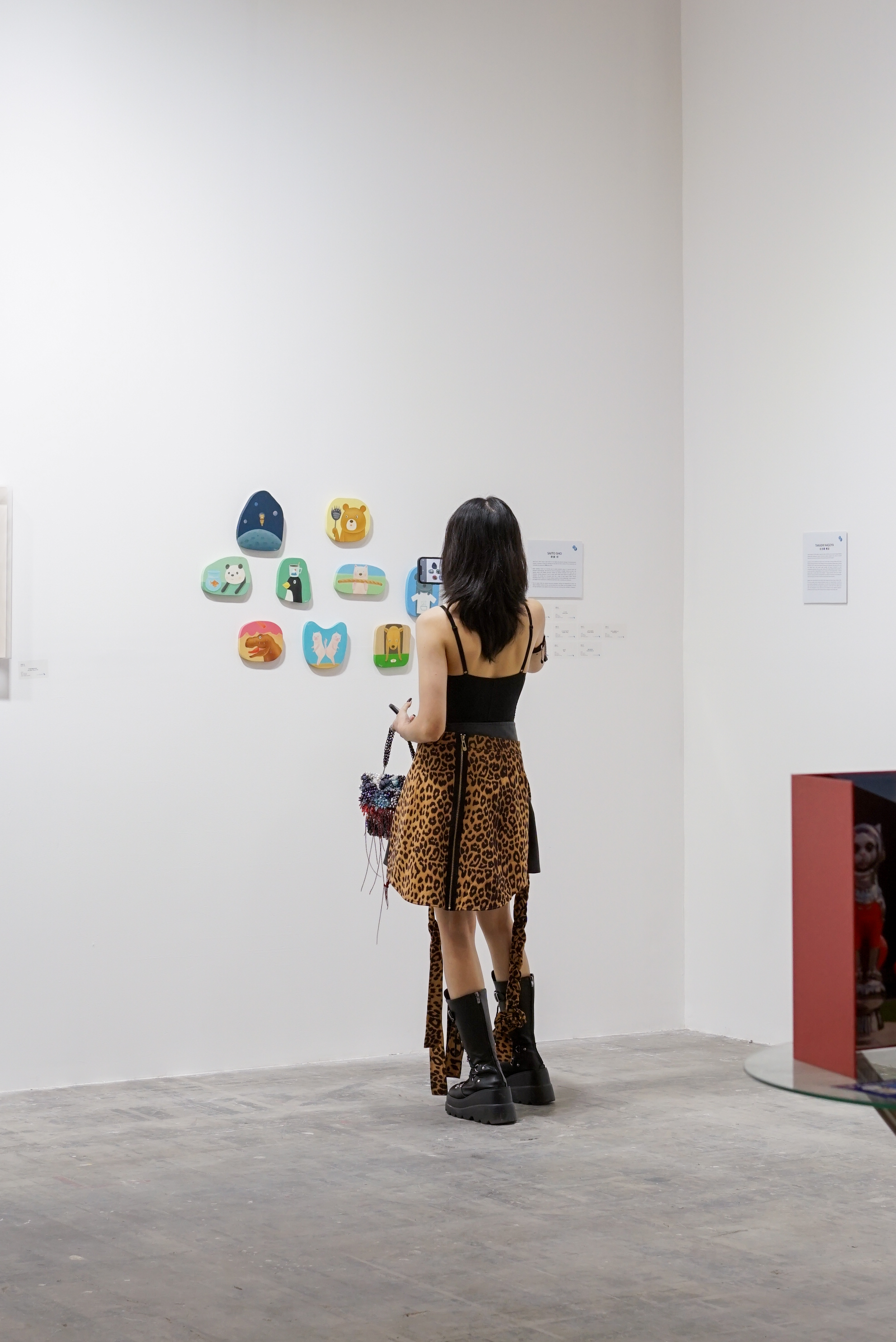
Of the 75 participating galleries, more than half were Indonesian. This strong local representation reaffirmed Art Jakarta’s commitment to showcasing the country’s contemporary art scene while connecting it with international audiences. For collectors, this is a unique opportunity to discover emerging and established artists from the region.
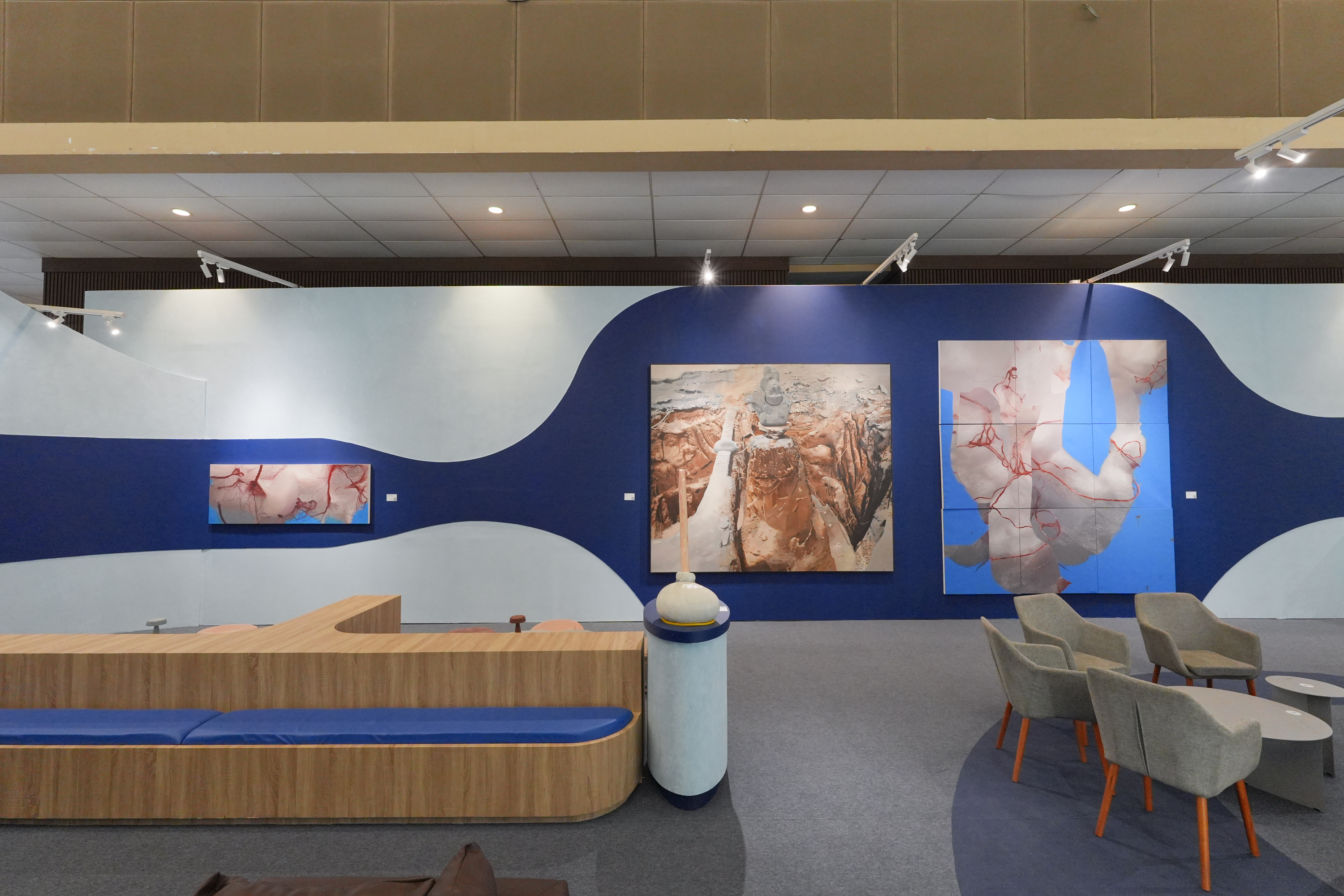
International Participation Deepens Regional Exchange
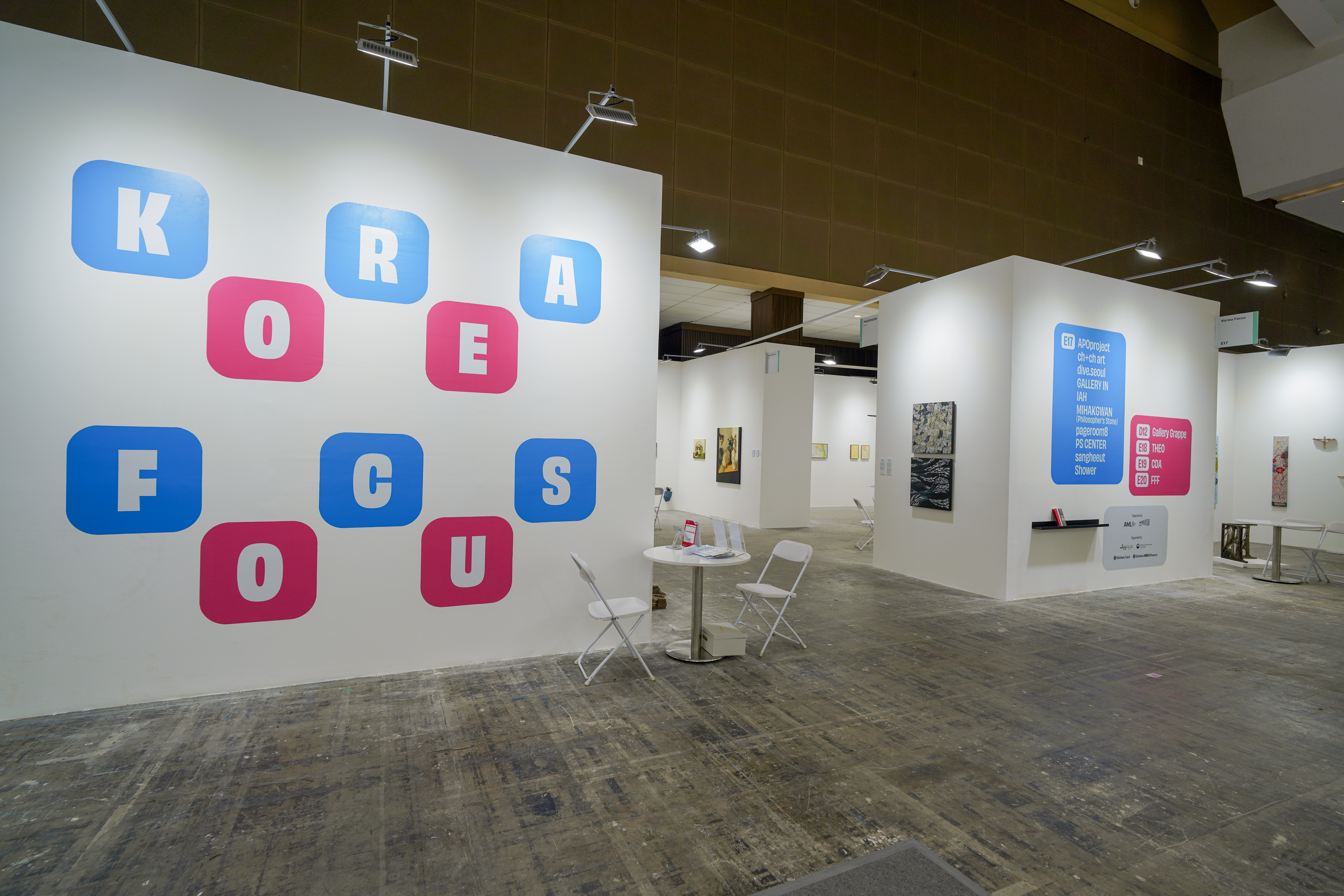
With 33 international galleries, 19 of them first-timers, the fair keeps stretching its reach. Korea Focus was the standout, bringing 14 South Korean galleries to Jakarta in partnership with South Korea’s Ministry of Culture, Sports and Tourism and the Korea Arts Management Service. It gave collectors a chance to compare two scenes side by side, and to make new contacts across both.
Beyond the Booth
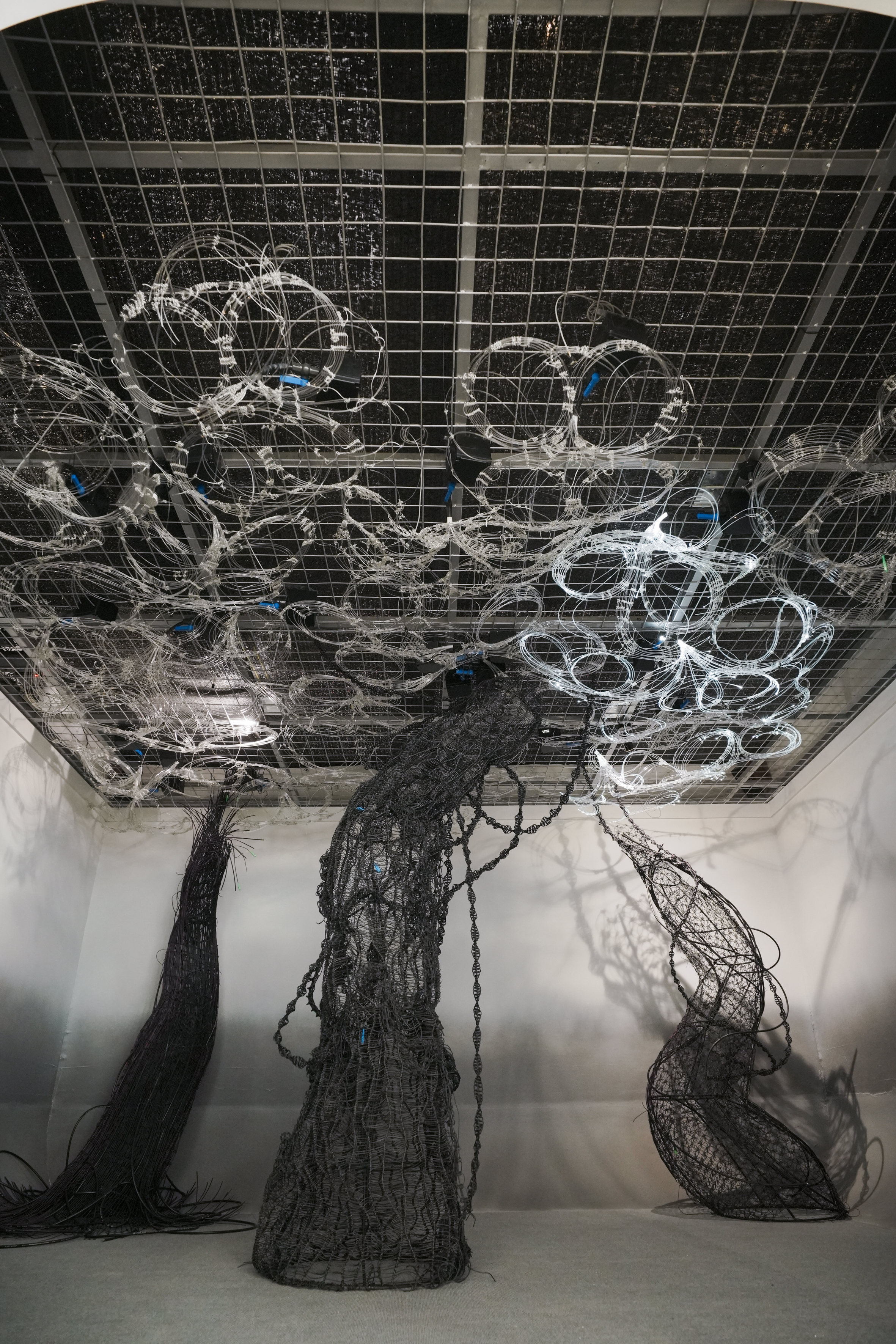
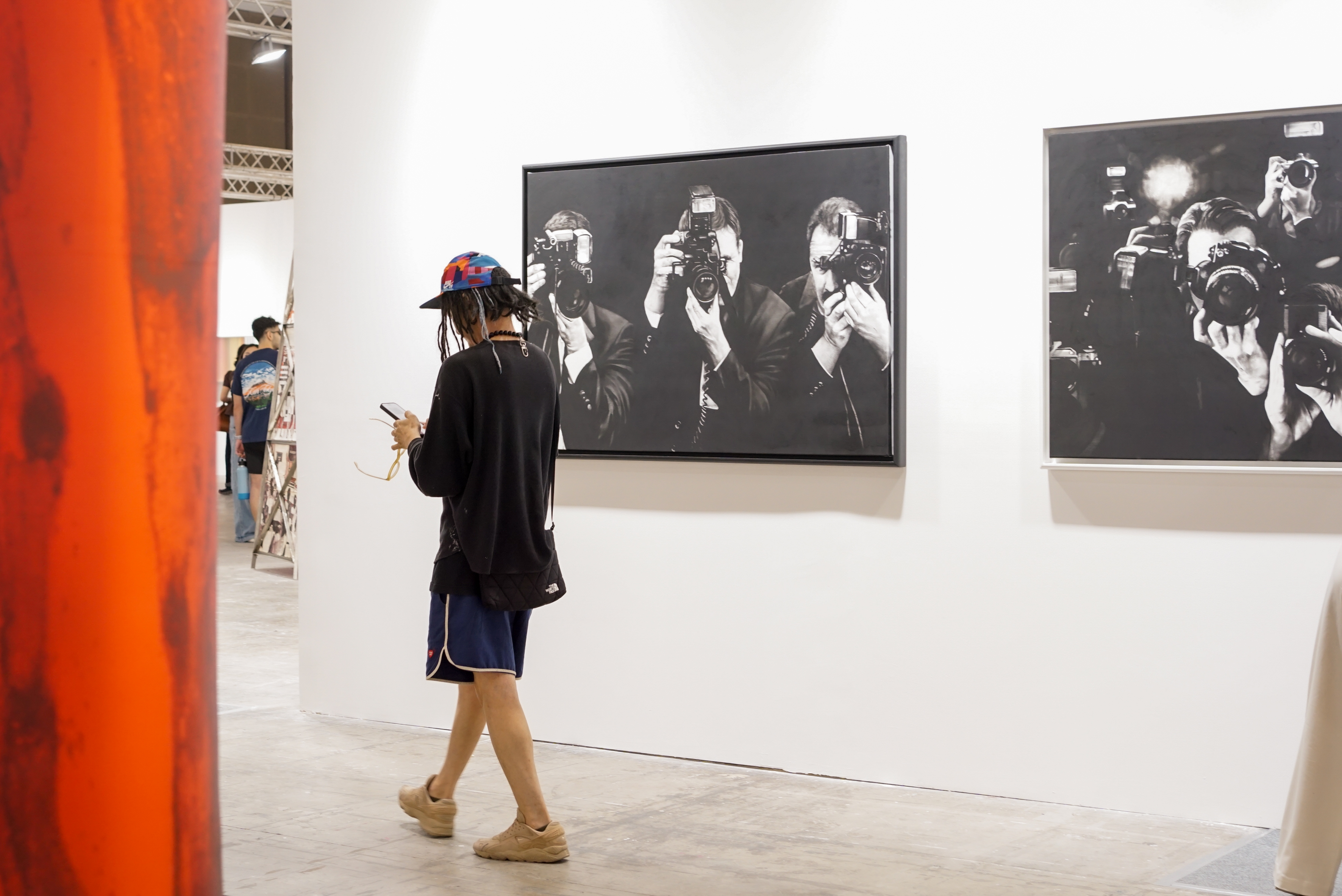
Two sections pushed the usual gallery format: AJ Spot showed four installations by Indonesian and Vietnamese artists, with works designed to interact with their surroundings, while AJ Scene gathered 39 artist collectives and collaborative projects from across Indonesia. Both are good hunting grounds for collectors who like to find practices before they become widely known.
Partnerships That Draw You In
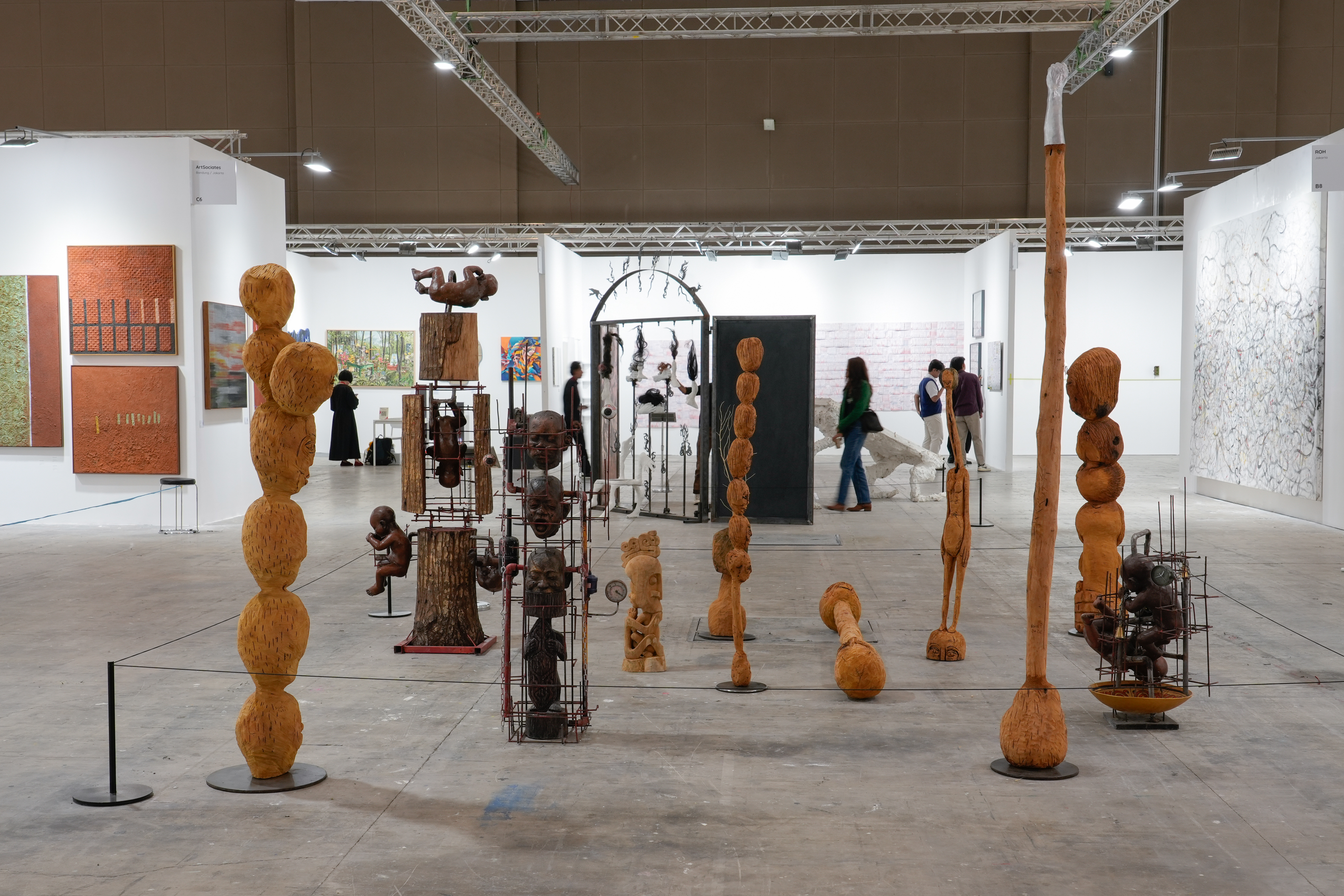
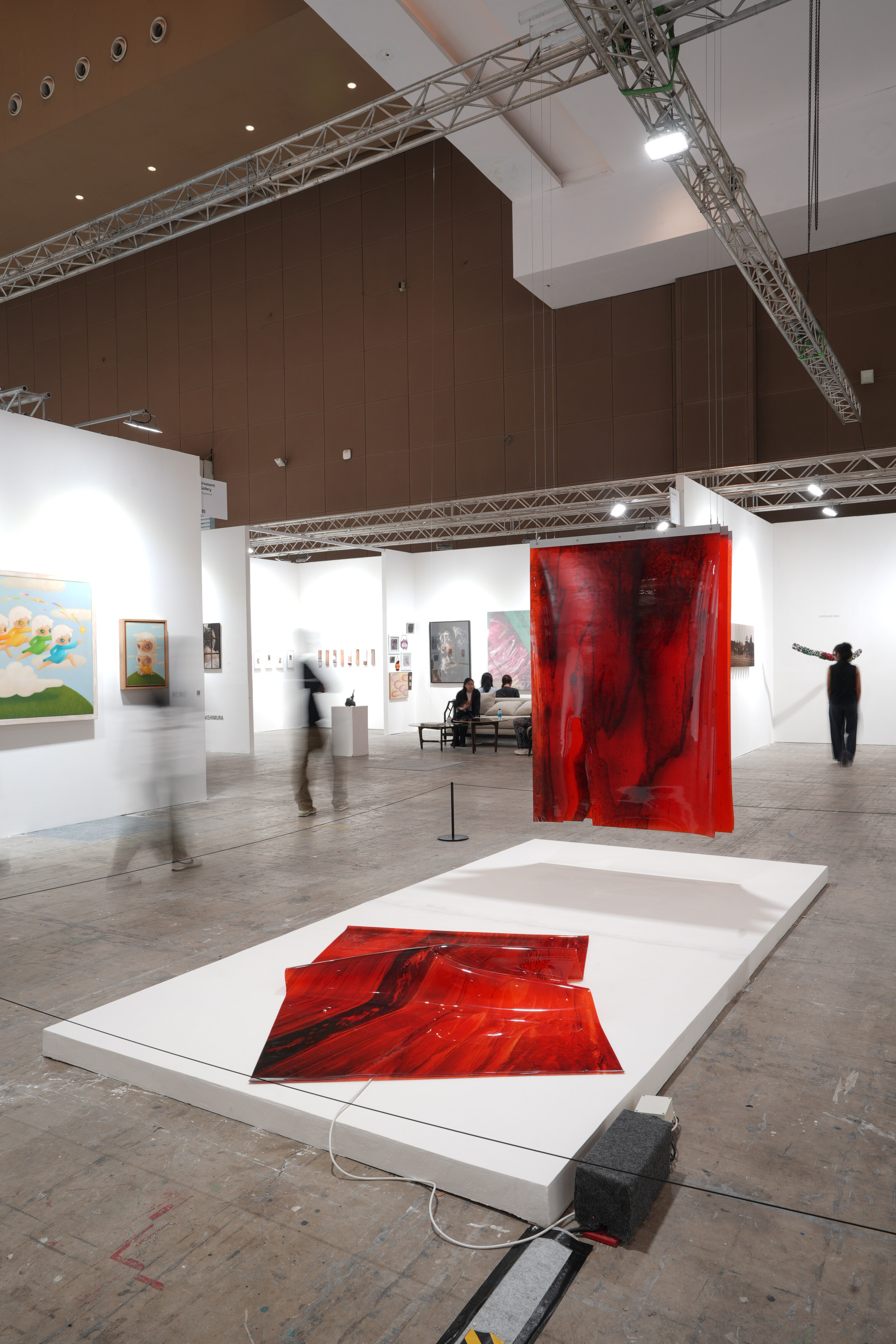
Lead Partners Julius Baer, Treasury, BCA, and Bibit and Stockbit helped shape a more hands-on fair. Highlights included Handiwirman Saputra’s recent artworks, Endry Pragusta’s Lost at Sea and Etza Meisyara’s “Gravity of the Unheld”, each inviting visitors to take part rather than simply look. These collaborations show how business and culture can back artistic production while making art feel more approachable.
A Network That Reaches Beyond Jakarta
AJ Scope, new this year, brought six emerging art platforms from around the archipelago to the capital, supported by MTN Seni Budaya, a programme of Indonesia’s Ministry of Culture. Along with AJ Scene and AJ Talk, it points to a fair that is more than a marketplace: it gives regional initiatives a stage and a way into the wider network. For collectors, it is a useful window onto scenes that rarely appear in Jakarta.
Read more: Art Jakarta
Instagram: @artjakarta
