


Shinji Hamauzu commissions houses from Jean Nouvel, Sou Fujimoto, BIG, Snøhetta and Tadao Ando, sells them by the night, and has turned more than 1,300 owners into something closer to collectors. LARRY’S LIST looks at what happens when architecture is acquired the way art is – and speaks to the founder about poems, renderings and the house he may never sell. Every collector knows the moment when a work becomes too good to let go. It is rarer to hear that admission from the person whose business is selling. When Jean Nouvel presented his proposal for a house on the island of Yakushima, Shinji Hamauzu told the Pritzker laureate that it had one very large problem. Pressed to explain, he said: “Your design is so good that now we don’t want to sell it.” The French architect, by then in his eighties, was moved to tears. Hamauzu founded NOT A HOTEL in Tokyo in April 2020, at the height of the pandemic, and raised his first funding with a hundred-page “poem” rather than a business plan. Six years on, the company has built a series of houses, each signed by a different architect and each held in common by many owners. Ten are now open, shared by more than 1,300 owners.
A seller unwilling to part with the work is a collector’s response, not a vendor’s. It is also the clearest way into what NOT A HOTEL has become: less a hospitality company than a patron, commissioning architecture the way a collection commissions art – and then dividing it, night by night, among the people who believe in it.
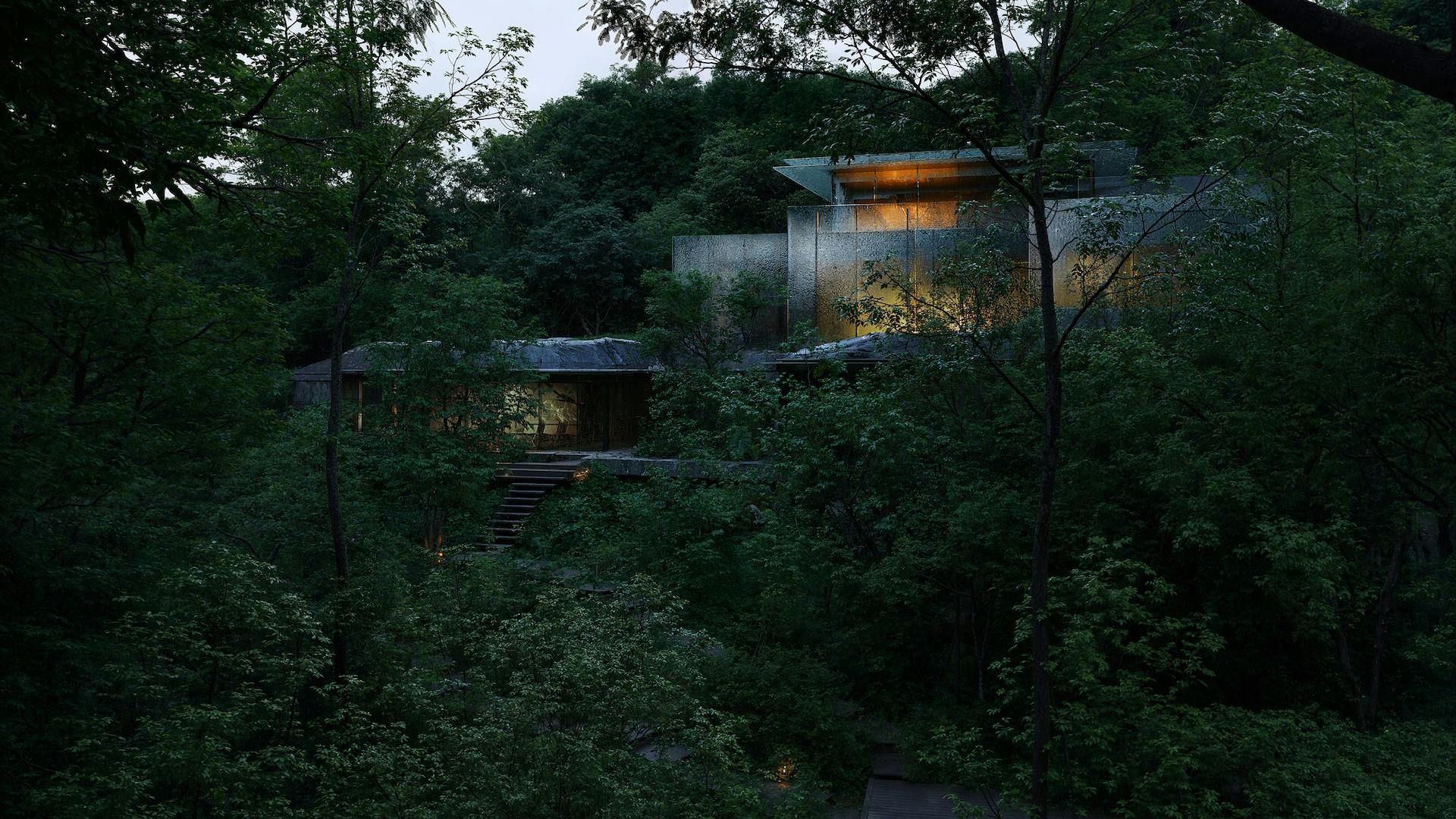
01 No Two Are Alike
These houses are ordered not by place but by architect.
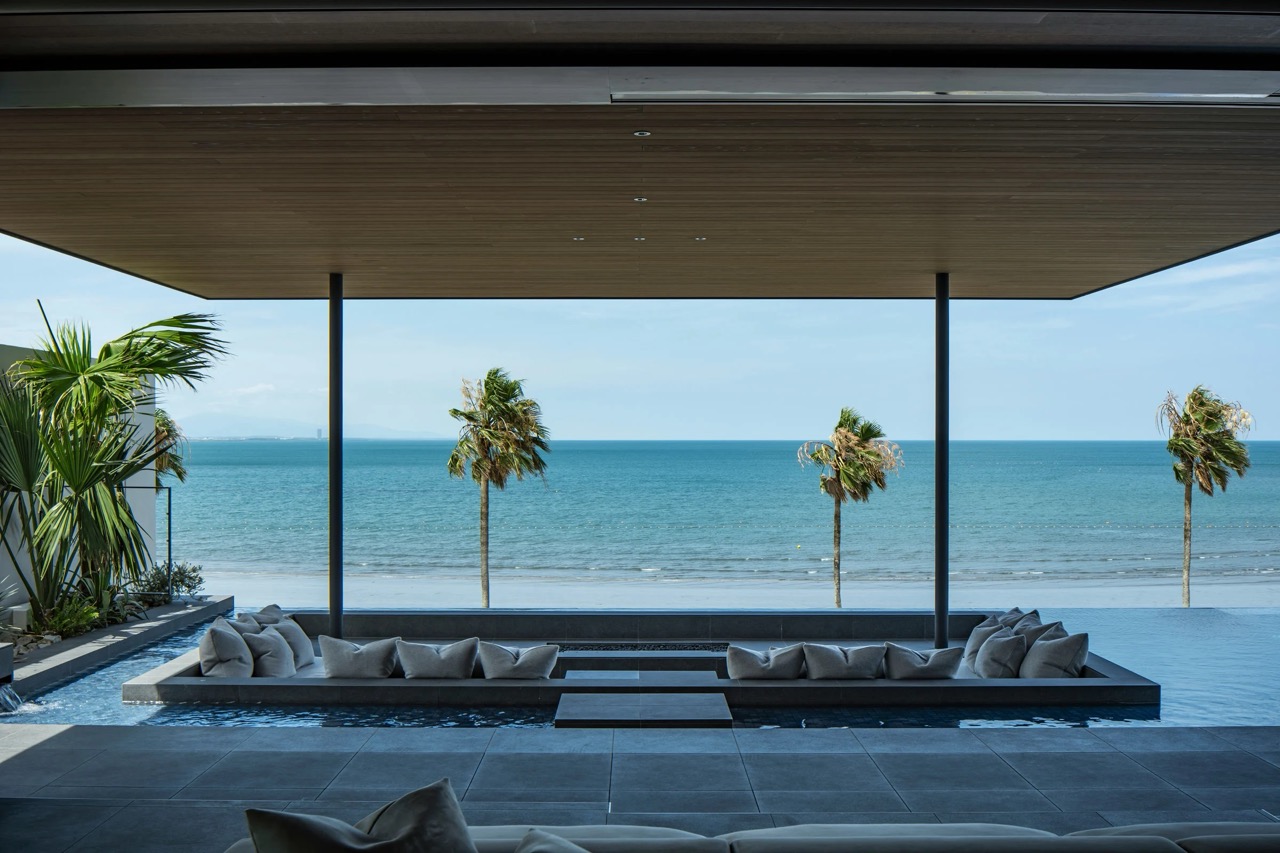
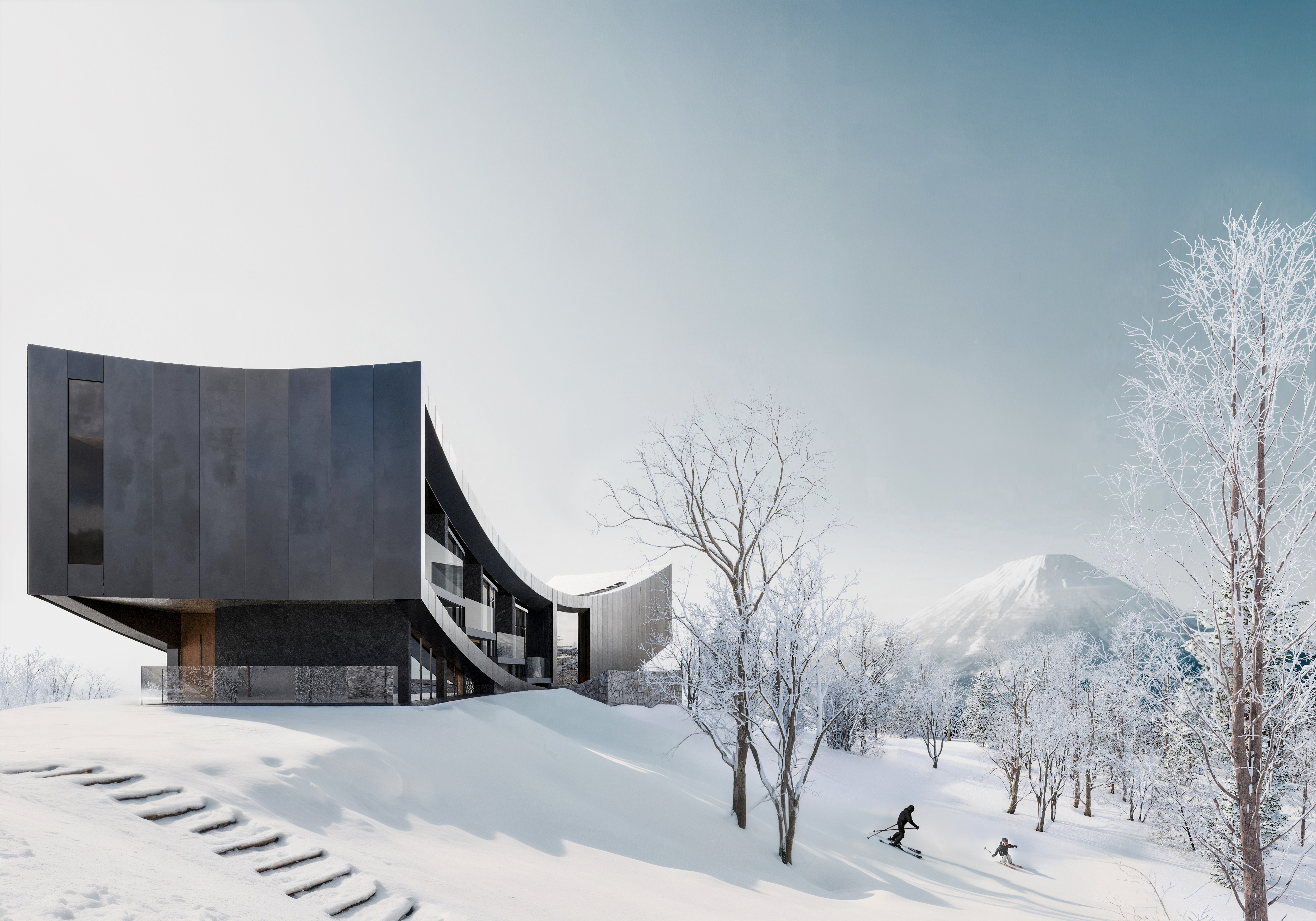
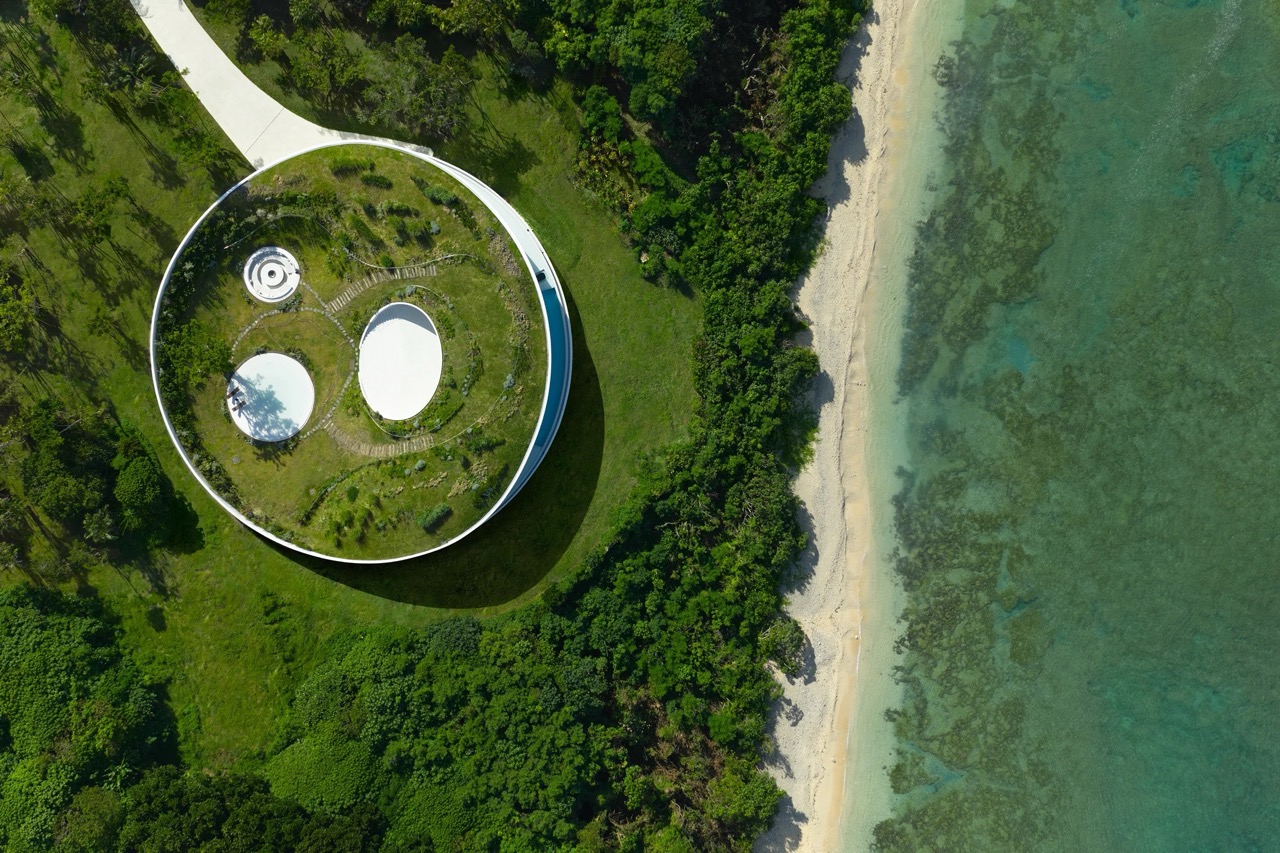
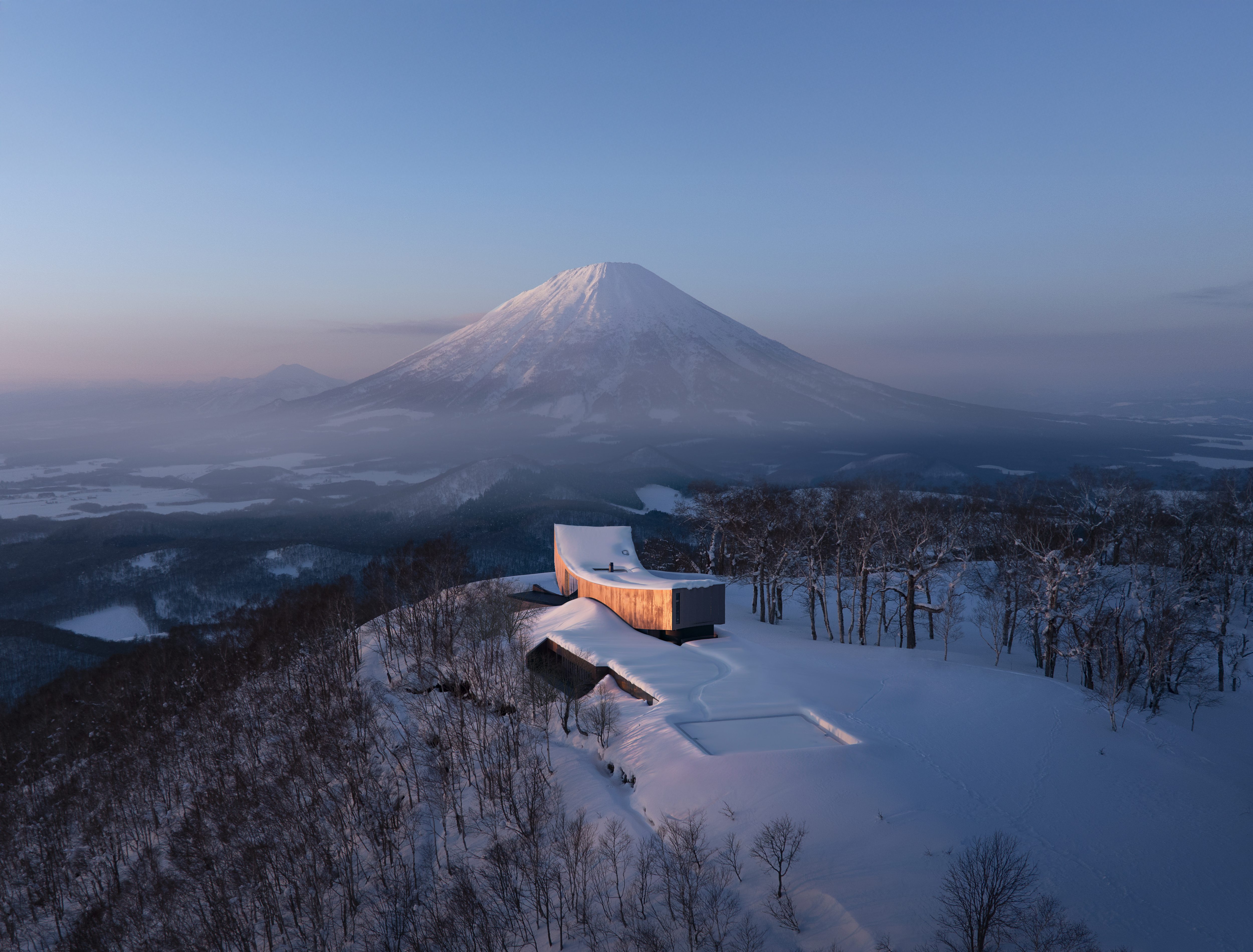
On Ishigaki Island, Sou Fujimoto completed a house named EARTH – a name that came, as Hamauzu explains below, from how the building looks from above. The living area and the pool open towards the sea and the sauna recalls the ocean floor; the roof sinks into a funnel whose rim carries a children’s pool and a garden where a fire can be lit. Snøhetta set its house at the summit of the Rusutsu ski resort in Hokkaido, borrowing Mount Yōtei – known as the Ezo Fuji – as its view, so that one steps out and skis straight onto the snowfield below. On Sagi Island in the Seto Inland Sea, BIG, led by Bjarke Ingels, completed three villas whose organic forms take their cue from the local climate and terrain.
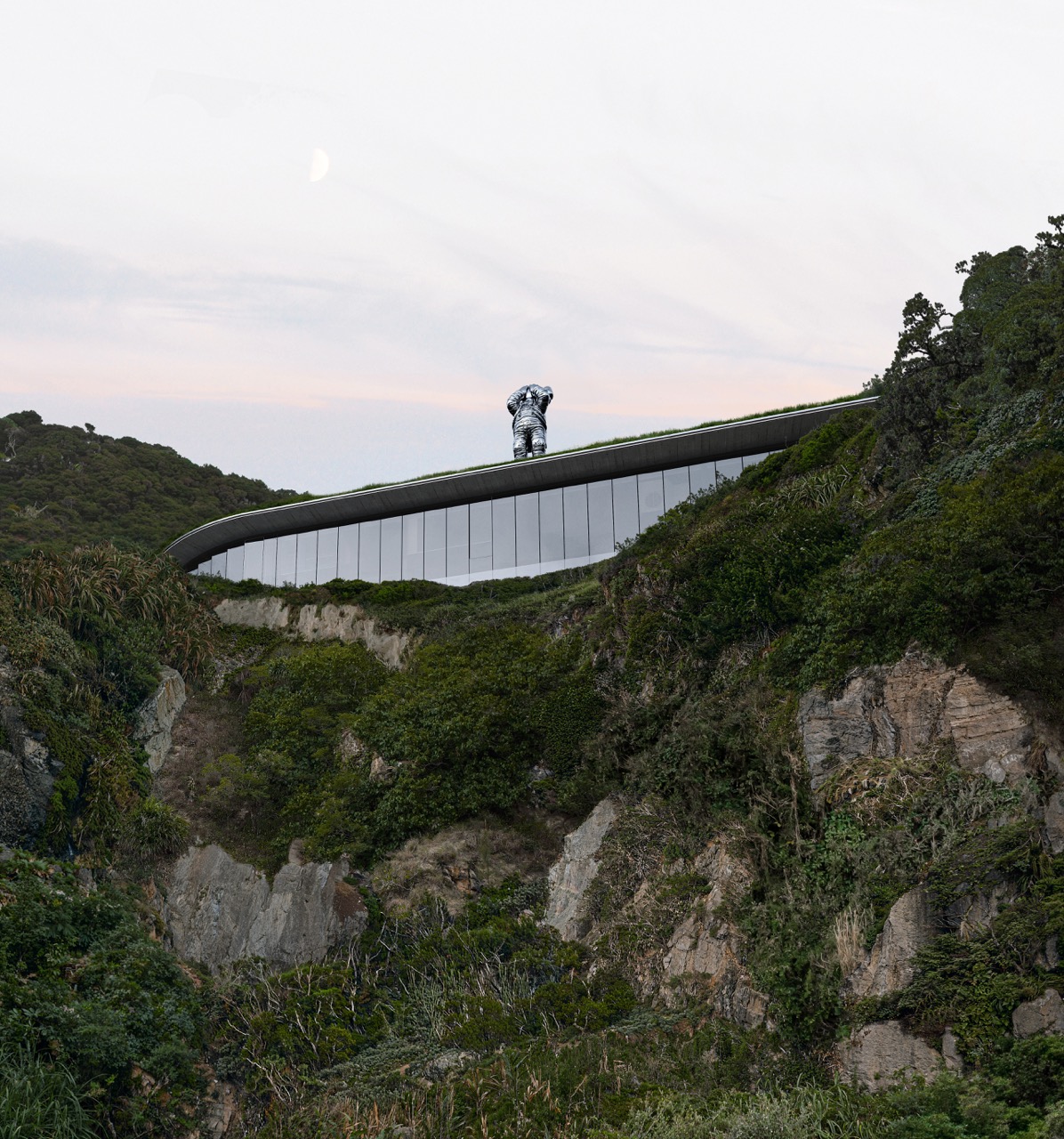
02 Owning a Span of Time
These houses are delivered much as a commission is in art: they go on sale before construction begins, and buyers see only renderings. When Aoshima in Miyazaki and Nasu in Tochigi were first offered, the company assumed that no one would buy; sales reached 1.5 billion yen on the opening day. What people bought was a signature, a drawing, and their trust in the architect. The unit of ownership is not the house but the night. Thirty nights a year form the baseline, sold from ten nights upward; a management fee is paid monthly, and any nights left unused over the year are reimbursed to the owner by the company at an agreed rate; owning one house entitles the owner to stay at any of the others. Ownership can be passed on, again in units of ten nights.
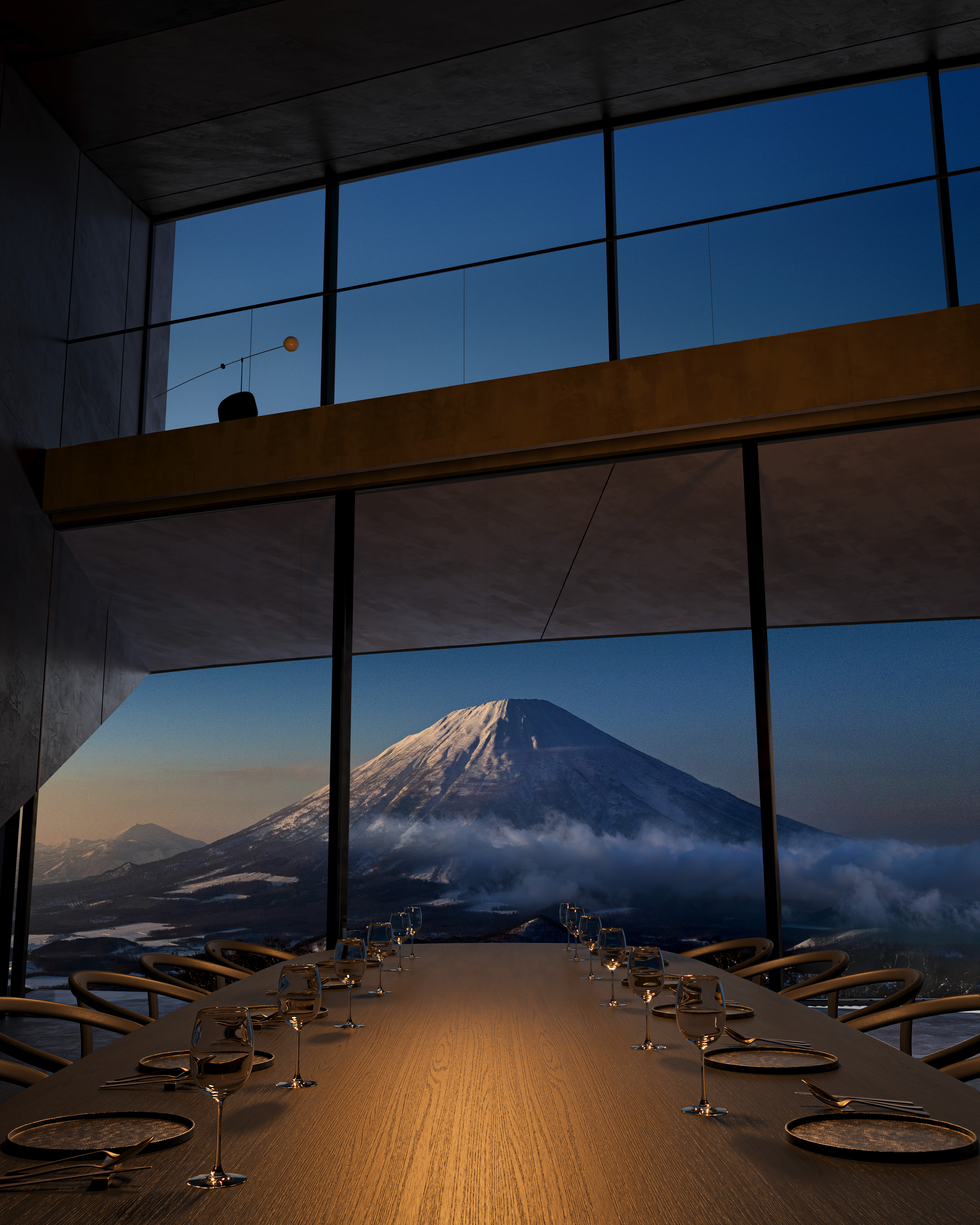
Divided, held, traded: the structure is close to that of the fractional art platforms of recent years. One crucial difference stands between them. A fractional owner of an artwork will in most cases never see the work; here, the owner spends dozens of nights a year inside it. Once ownership has been broken up, use becomes concrete.
Owners describe it in much the same terms. The entrepreneur Masamune Mimura likens buying a NOT A HOTEL to collecting cars: the wait after ordering is long, and the more restricted the supply, the more value emerges later. The composer Masaru Yokoyama looks at it from the maker’s side. In the details of these houses he sees a kind of runaway excess, from the texture of the walls to the books chosen for the shelves, pushed so far that one wonders who could possibly need it – and it is precisely that thoroughness that moved him.
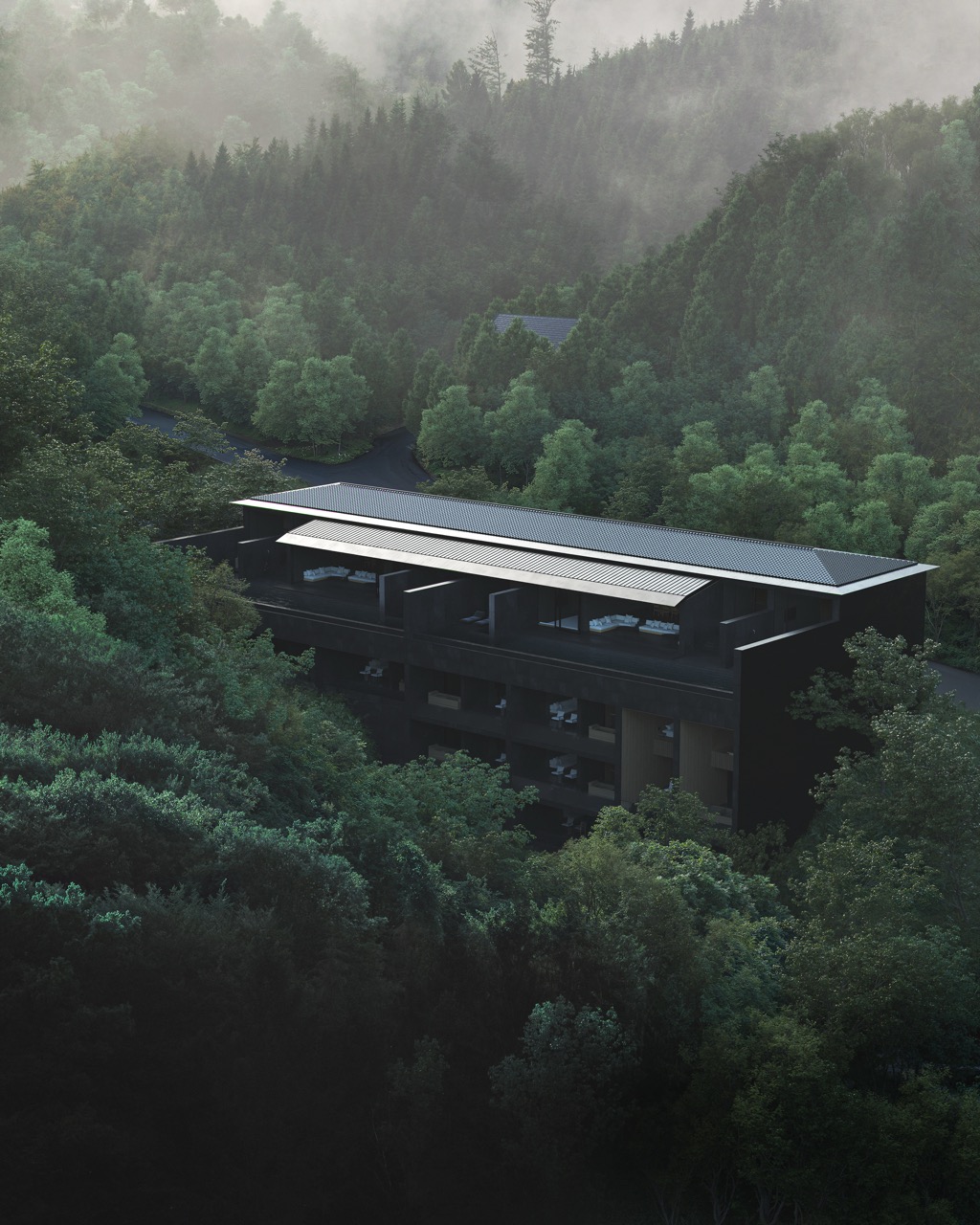
A collection usually rests on three things: a signature, scarcity, and transferability. All three are present here; the fourth – that the work can be used from day to day – is what art collecting seldom grants.
03 Built to Outlast
In Aoshima, Miyazaki, where Hamauzu grew up, the plot NOT A HOTEL now occupies had been derelict. In 2022, the year it opened, local land prices turned from years of decline to growth, rising four to five per cent a year thereafter, the steepest rate in the prefecture. The mayor of Mihara, in Hiroshima, later came to his home to explain why the same thing could happen there.
He has written the raising of value into the company’s mission, and has also said something easily misread: that he wants to build a NOT A HOTEL that cannot be sold. Yakushima, with Nouvel, is one such case – he may in the end want it too much to let it go.
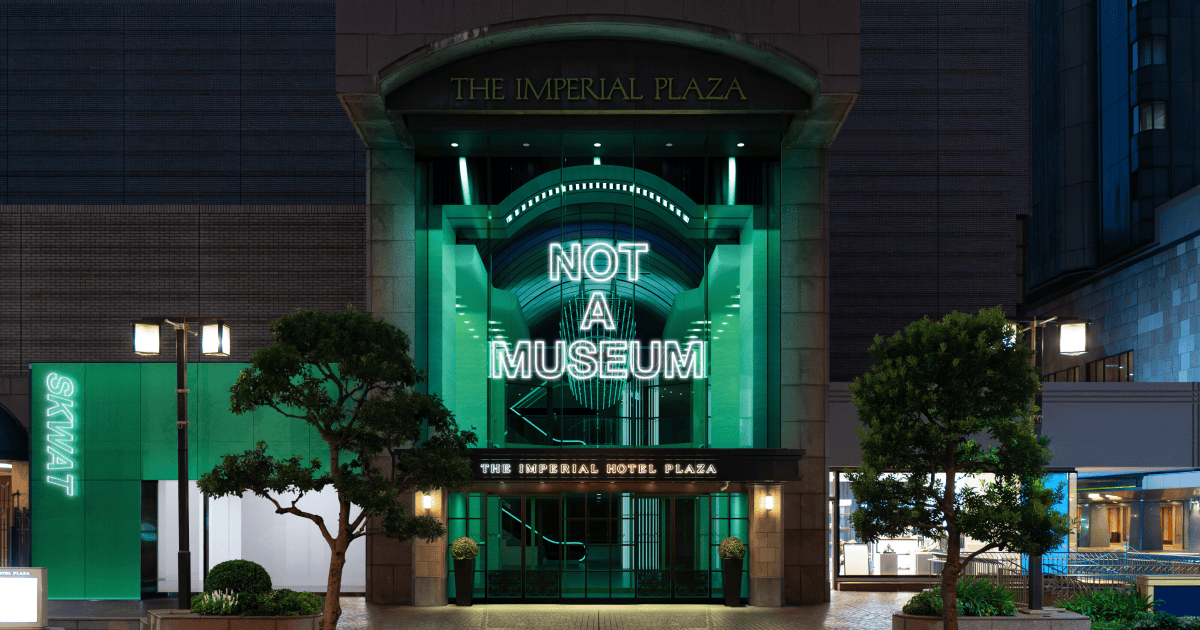
The company’s boundaries are moving outward as well. In October the parent company was renamed NOTA, with sister businesses for housing (NOT A HOUSE) and shared mobility (NOT A GARAGE). In summer 2027 NOT A CITY, the group’s urban arm, will open NOT A MUSEUM with the collective SKWAT on four floors of the Imperial Hotel Tokyo’s tower building: a cultural complex that will exist for roughly four years – a museum made in the time left to a building awaiting demolition.
In Conversation
LARRY’S LIST spoke to the founder about funding a company with a poem, selling houses that did not yet exist, and why the best measure of NOT A HOTEL may be what it leaves behind.
After selling your company you had intended to open a hotel quietly, yet in the end you raised your first funding with a poem of nearly a hundred pages. Why the poem rather than a business plan?
I sold Aratana, the company I had founded, to ZOZO, and after leaving I intended to use the proceeds to open a hotel at my leisure. But when I saw Mr Maezawa take on the challenge of going into space, my own idea struck me as far too small, and I realised I had to turn towards something larger. We began working on the idea in April 2020, at the height of the pandemic lockdowns. The banks would not deal with us at all; one of them asked whether I really meant to start a hotel business at such a moment. Whatever happened, we first needed the money to buy the land. I thought that rather than present a business plan, I should convey the passion directly, so I wrote something close to a hundred pages of “poetry” and took it to investors. As I wrote I kept marvelling at how wonderful NOT A HOTEL was, to the point of tears, which left my wife genuinely worried about me. It was because I kept writing with everything I had that we finally raised one billion yen.
Aoshima and Nasu were sold on computer renderings alone, before the buildings existed. How risky was it to ask buyers to judge a work before it was complete?
At first everyone assumed they would not sell at all. Even so, with the same momentum I had carried at ZOZO, I thought that if we put a “buy now” button on the sales page, someone might actually buy. We tried it, and on the first day we sold 1.5 billion yen on the strength of renderings alone. That was the moment I felt this model might work.
From architecture and operations to housekeeping and software, NOT A HOTEL does almost everything itself. In an era when staying asset-light is considered the smarter course, why take the opposite direction?
We did consider outsourcing operations and construction at the start, but in order to control quality we changed course, concluding that vertical integration, with everything in our own hands, was the better way. There was a prevailing view then that staying asset-light lowered risk and looked rather cool. That may still be the case, but to my mind the age is moving in the opposite direction, and companies unable to make things in-house will be left behind. In our case even the housekeeping is ours. We regard housekeeping as hospitality of the highest order. I visit our properties often, and watching the operations team at work I think to myself that this is something outsourcing could never achieve. From cleaning and cooking to architecture and software development, we do all of it ourselves. That decision is without doubt what has brought NOT A HOTEL to where it is today, with an owner satisfaction rate of 99.2 per cent.
You often say within the company that you want to be the firm that most respects the architects and creators it works with. What did that respect look like in practice with Jean Nouvel?
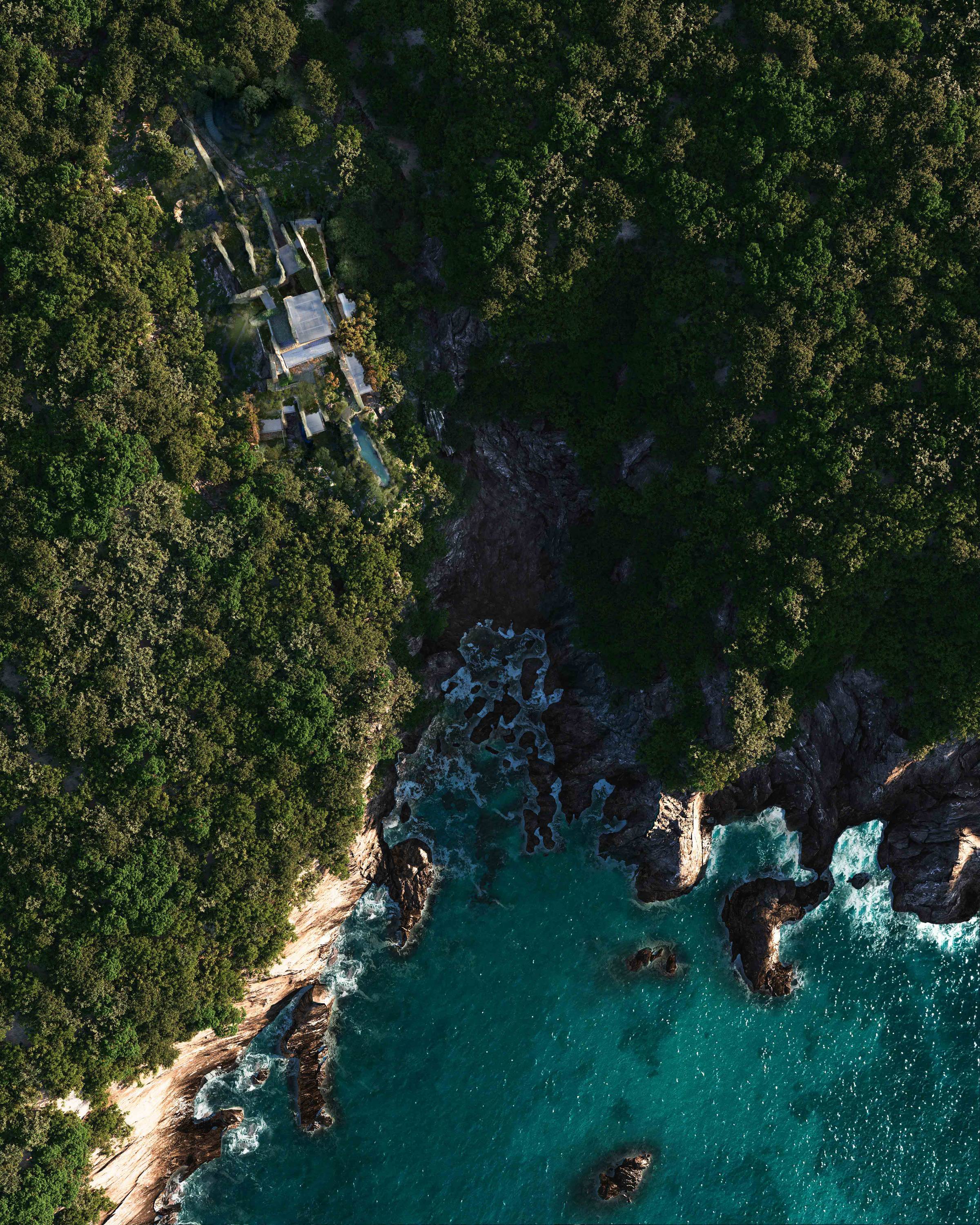
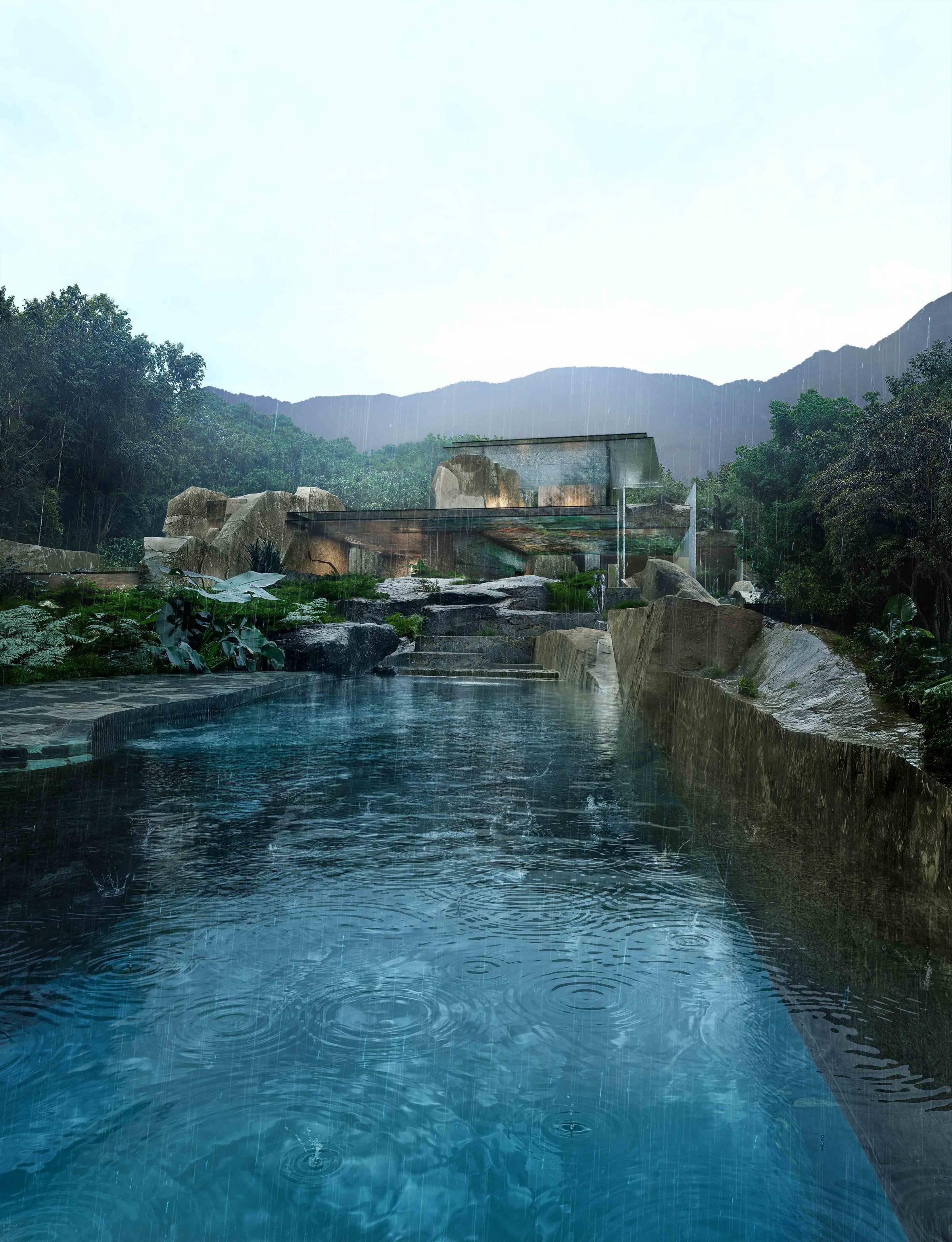
I have long regarded Jean Nouvel as one of the finest architects in the world. When I saw the superb proposal he put forward, I told him there was one very large problem with it. He asked what it was, and I replied that his design was so good that now we did not want to sell it. He was so moved that he wept at the meeting. I believe that whom a company chooses to respect, and how far that respect goes, determines where its brand stands. If we hold to that steadily, the brand will be built naturally, by our own hands.
You have quoted the line that a brand is about telling the truth. For a work that has not yet been built, how do you judge whether it holds?
Two remarks matter greatly to me. One is John C. Jay’s: that branding is about telling the truth. Which is to say, you must refine the product itself; simply presenting the real thing as it is lies at the very core of building a brand. The other is Steve Jobs on Nike – that Nike is not a company that makes trainers, but a company that respects athletes.
As for judgement, whether the person closest to you is moved is the dividing line. The name EARTH – NOT A HOTEL ISHIGAKI in fact came from my wife. Mr Fujimoto and I had been considering the name “UTSUWA”, or vessel, but when I asked her she said that seen from above it looked rather like the earth. That is how the name EARTH came about, and it is why I often ask her view.
NOT A GARAGE divides forms of transport that once belonged to a very few into a twelfth or a three hundred and sixty-fifth of their use. What does dividing ownership actually change?
Take a helicopter. The fuel for a flight to NOT A HOTEL KITAKARUIZAWA costs around 60,000 yen, but six people can share it. Worked out that way, it comes to less than a one-way Shinkansen ticket at 13,000 yen. Simply by changing the mechanism of ownership, a form of transport one might otherwise use once in a lifetime becomes something genuinely one’s own, woven into daily life. What we are attempting is not merely to change how such vehicles are used, but to redefine the mechanism of movement itself.
The company now numbers several hundred people, yet there is no regular individual appraisal. On what judgement does this way of organising rest?
What matters most here is the density of talent. If anyone were to slack off, it would stand out immediately. We build the organisation only from people who are highly capable and deeply committed to what they do, which makes criteria for assessing ability unnecessary. I am aware that this is a most unusual way to build an organisation, but I hope to keep to it for as long as we can. In interviews, I ask the same fixed question every time, and have done for about ten years. My interviews usually end within five or ten minutes, which seems to leave people uneasy, though there is no need for that. In the end it comes down to whether I want to work with this person. One more thing: abolishing a rule is a hundred times harder than making one. So I consider it essential to work out how the company can grow without adding rules.
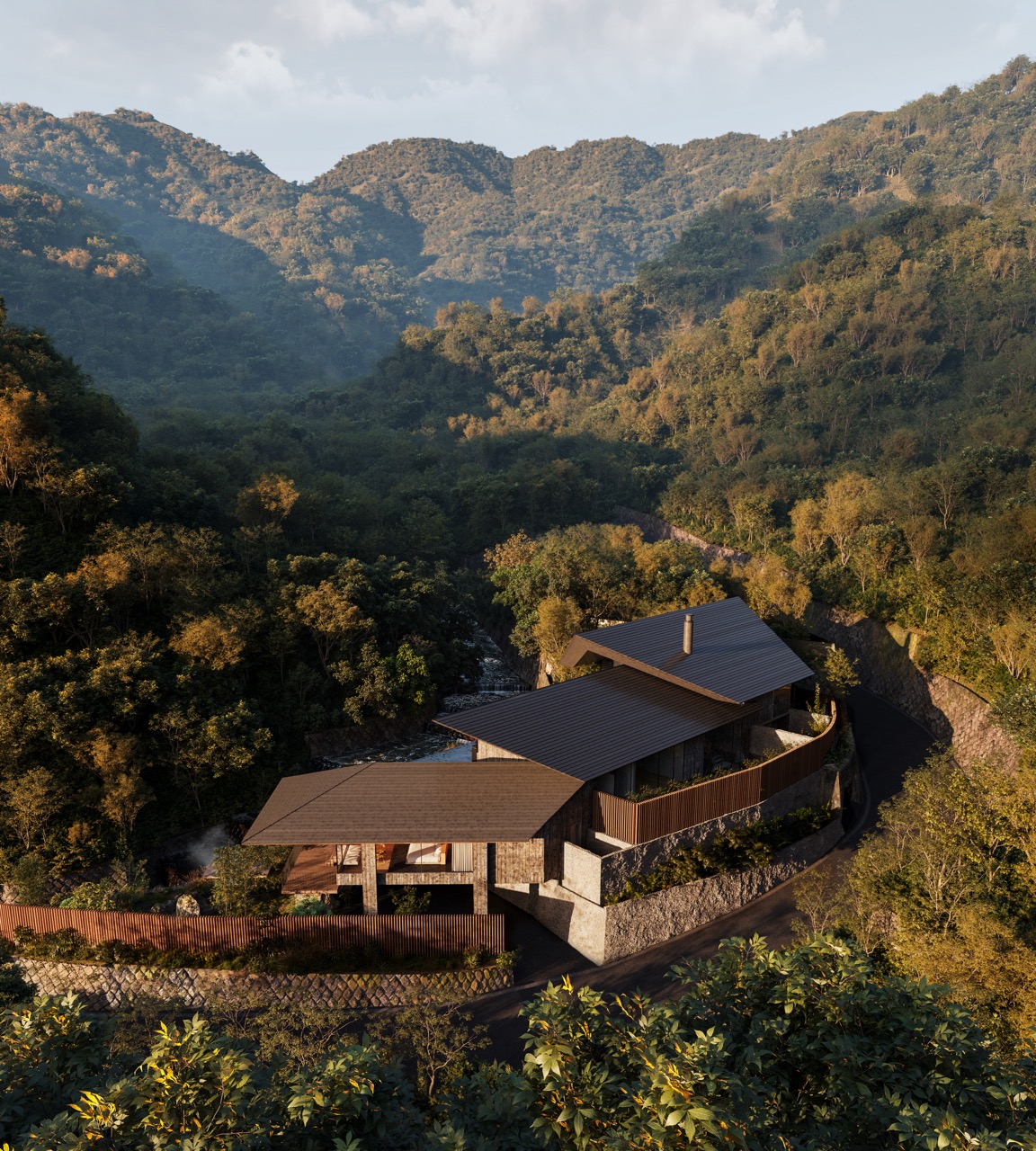
Aoshima in Miyazaki had been derelict, and after NOT A HOTEL opened local land prices turned from decline to growth. What does it mean to you that architecture can change the value of a place?
Aoshima in Miyazaki is my hometown, and the site where NOT A HOTEL stands had in fact been derelict. We leased the land and built there. In 2022, the year we opened, land prices in Aoshima turned from steady decline to growth and have risen by four to five per cent a year since, the highest rate of increase in Miyazaki Prefecture. On the strength of that record, the mayor of Mihara in Hiroshima came all the way to my home and made a presentation, telling me that if it could be done in Miyazaki it could certainly be done in Mihara. Moved by that enthusiasm, we decided to go into Hiroshima as well. Raising value has always been our mission.
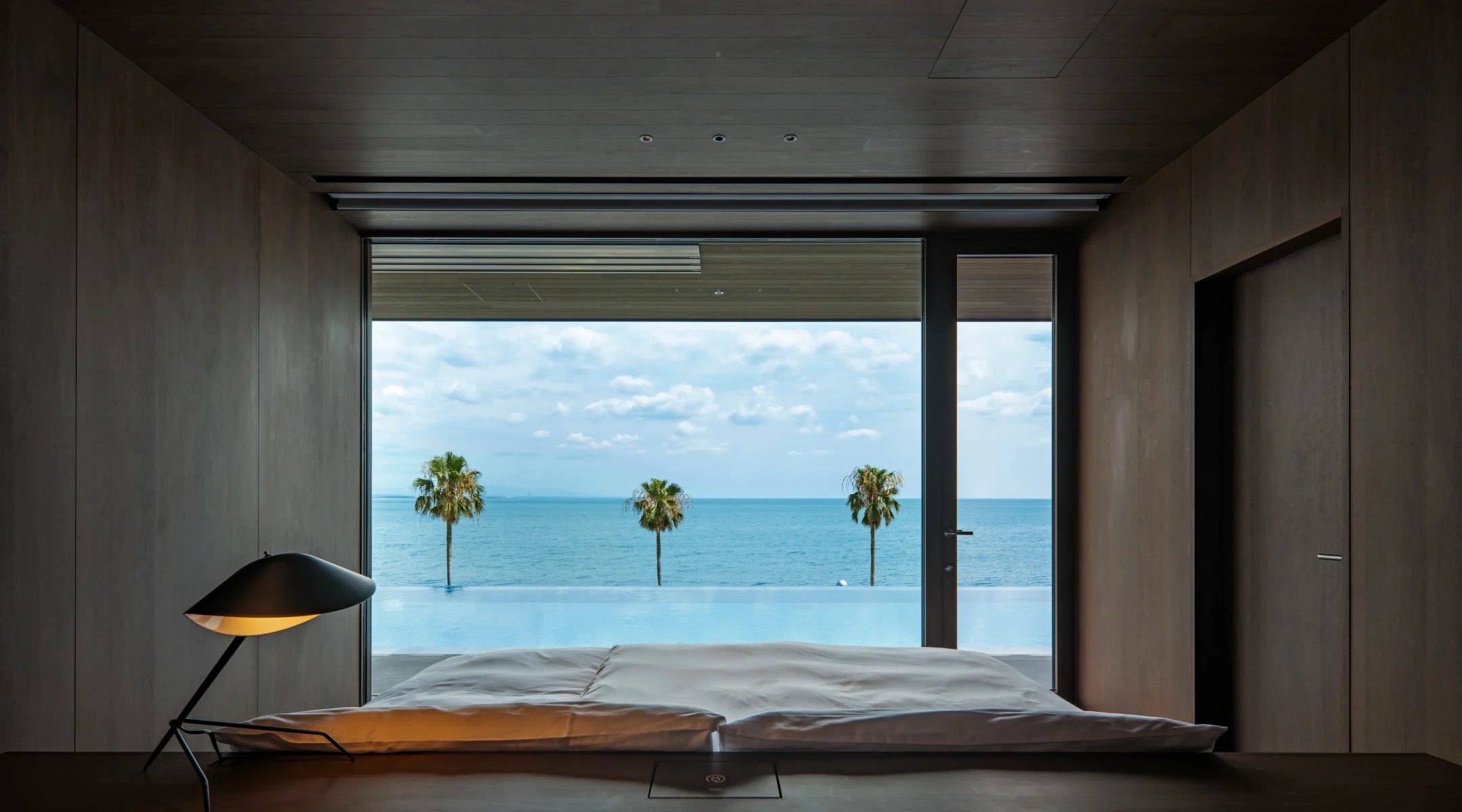
You have called NOT A HOTEL a “bonfire start-up”. At a moment when efficiency is being pushed ever higher, what does that phrase point to?
What we are after is a value quite opposite to the efficiency brought by AI: making the world more interesting. Travelling, inviting friends into your home, lighting a fire with your children. NOT A HOTEL is a company devoted to making each person’s life more interesting. I am absorbed in everything. I am happy from the moment I wake, and I work out floor plans even in my dreams. Waking in the morning and discussing with the architecture team an idea for a drawing that came to me in the night is quite ordinary for me.
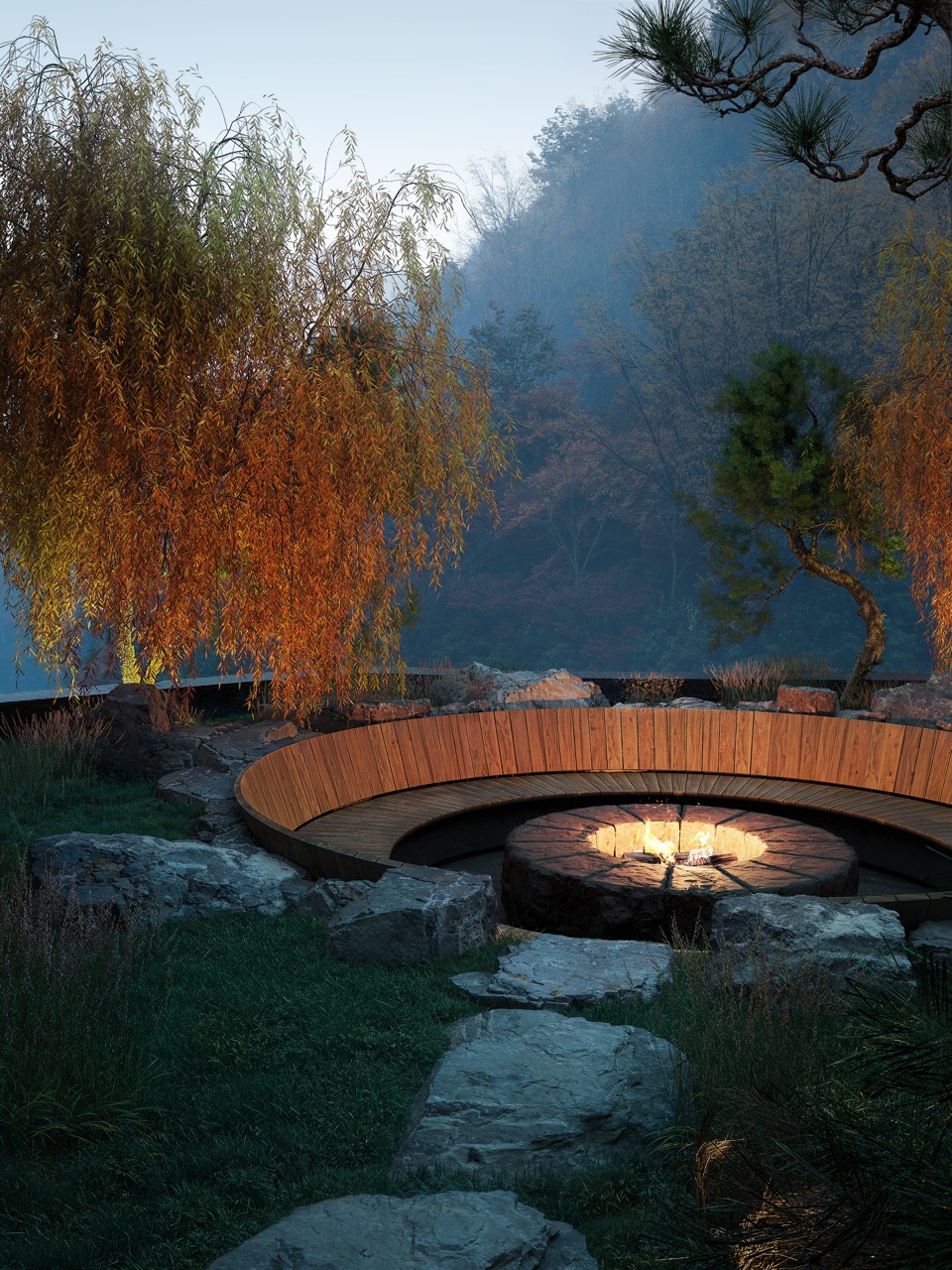
You have said you want to build a NOT A HOTEL that cannot be sold. How should that be understood, coming from a company whose premise is selling?
Naturally I want to build a NOT A HOTEL that sells well. At the same time I want to take on the kind of enormous challenge that leaves people saying this really cannot be sold after all. The Yakushima project with Jean Nouvel is one of them. I may in the end want it so much myself that I decide not to sell it, and I would like to create a model that holds even if it is not sold. Over the next five years, what I want to do is precisely what others consider impossible. Conversely, the one thing I have no wish to do is whatever people assume NOT A HOTEL can pull off simply because it is us. A hundred years from now I will be gone, so it is hard to say. But to put it one way, even if NOT A HOTEL were to collapse, a body of remarkable buildings should remain. I think that would be a magnificent thing. For that reason, I believe the works we leave behind are enough that we would have no regrets whenever we withdrew.
NOT A HOTEL: Facts & Details
Founded
April 2020 in Tokyo by Shinji Hamauzu, together with co-CEO Daisuke Eto
Group
Parent company renamed NOTA in October 2026; group businesses include NOT A HOTEL, NOT A HOUSE (housing), NOT A GARAGE (shared mobility) and NOT A CITY (urban and cultural projects)
Scale
Ten houses open across Japan; more than 1,300 owners; owner satisfaction of 99.2 per cent (company figure)
Architects
Ateliers Jean Nouvel, Sou Fujimoto, Snøhetta, BIG, Tadao Ando, Herzog & de Meuron, Zaha Hadid Architects, Shin Ohori (GENERAL DESIGN) and the in-house NOT A HOTEL ARCHITECTS; THE NIGO HOUSE directed by NIGO®
How ownership works
Each house is divided by nights: a baseline of 30 nights a year, sold from 10 nights upward. Owners pay a monthly management fee, are reimbursed for unused nights at an agreed rate, can stay at any other property, and can resell their share in units of 10 nights
In development
NOT A HOTEL YAKUSHIMA (Ateliers Jean Nouvel); the first vertex hotel, Okinawa (Zaha Hadid Architects); villas on the Kinki coast (Tadao Ando); a cliff-top house in Okinawa (Herzog & de Meuron)
