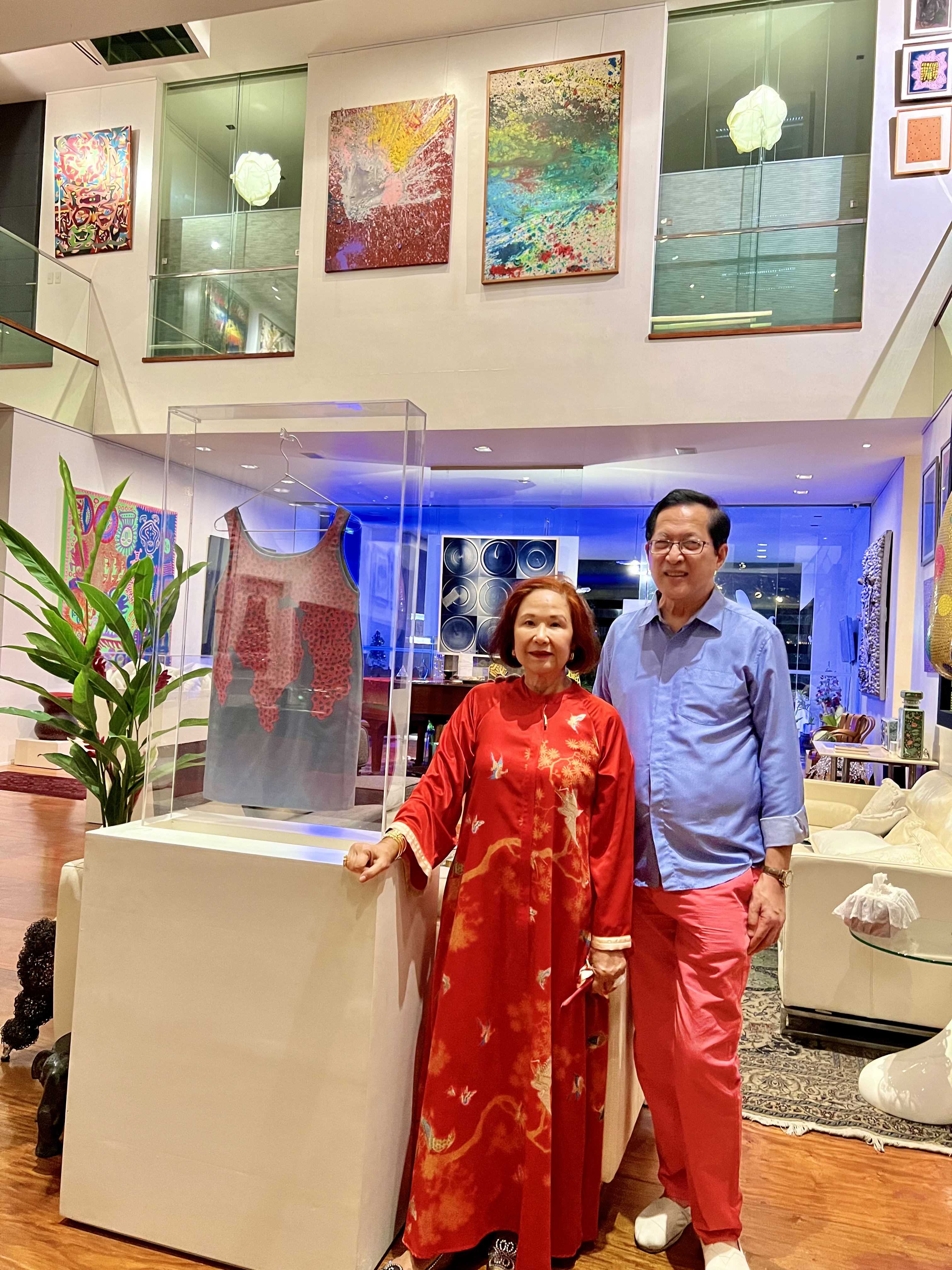
In 1981, a year after their wedding, Kim Camacho and her husband Lito returned to the Philippines from New York with a new shared interest in art. Weekends were spent visiting local galleries and artists’ studios, and what began as curiosity soon evolved into a lifelong passion for collecting. Forty-five years on, their collection includes one of the most significant bodies of Yayoi Kusama’s work in the world. Art has been a constant throughout their marriage and a defining part of family life, a passion they passed to their six children, two of whom went on to become artists themselves.
Their approach to collecting balances instinct with discernment: a work must first move them; the research comes afterwards.
LARRY’S LIST spoke with Kim Camacho about the evolution of their collection, her unforgettable two-and-a-half-hour encounter with Kusama in the artist’s studio in 2015, and the lessons she has learned along the way. Her advice to aspiring collectors is simple: look, learn and, above all, be bold.
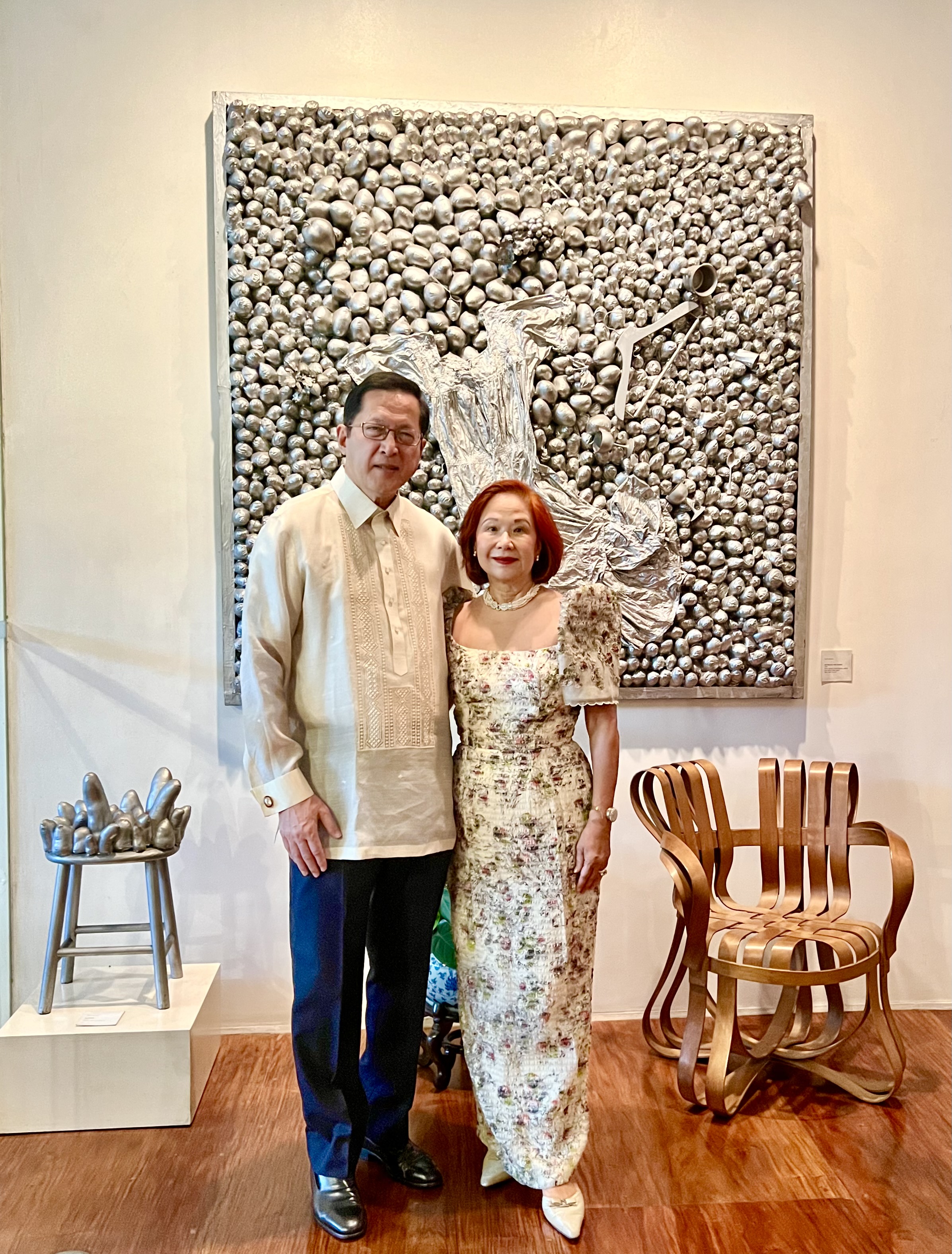
Collecting
What made you want to start collecting art?
My husband and I started collecting art some 45 years ago, a year after we got married. We were both drawn to art, and coming back home to the Philippines in 1981 from New York gave us the opportunity to spend weekends visiting local galleries and artists’ studios. That started our collection.
What is the main motivation behind your collecting?
Love for art. We were and are so in love with art that 2 of our 6 children took Visual and Environmental Studies (the equivalent of Fine Arts) at Harvard College and became artists.
When did you fall in love with a piece of art? What was it?
I have fallen in love with many pieces of art, too many to enumerate.
What is your focus regarding the artists in your collection? Are you more interested in emerging or renowned artists?
The artists that we collect deeply are those who are already established or gaining institutional recognition. Occasionally, we acquire works of young emerging artists that we want to support.
Is there any particular type of art that has consistently attracted you, or anything that unites all the works you have acquired?
We love art that moves us, that are powerful, original, fresh, clever and thought-provoking. After the first impression, we do research on the artist to assess his institutional significance before starting to collect him or her.
What were the first and the latest artworks you purchased?
The first artworks we acquired were prints of Manuel Rodriguez, Sr., who is considered the “Father of Philippine Printmaking”.
The latest artwork we purchased was a silver Kusama straw hat with her famous phallic protrusions done in 1967 that she gave to her Japanese doctor in New York, Dr. Teruo Hirose, as payment for medical services rendered.
How many artworks do you own? Where do you display your collection?
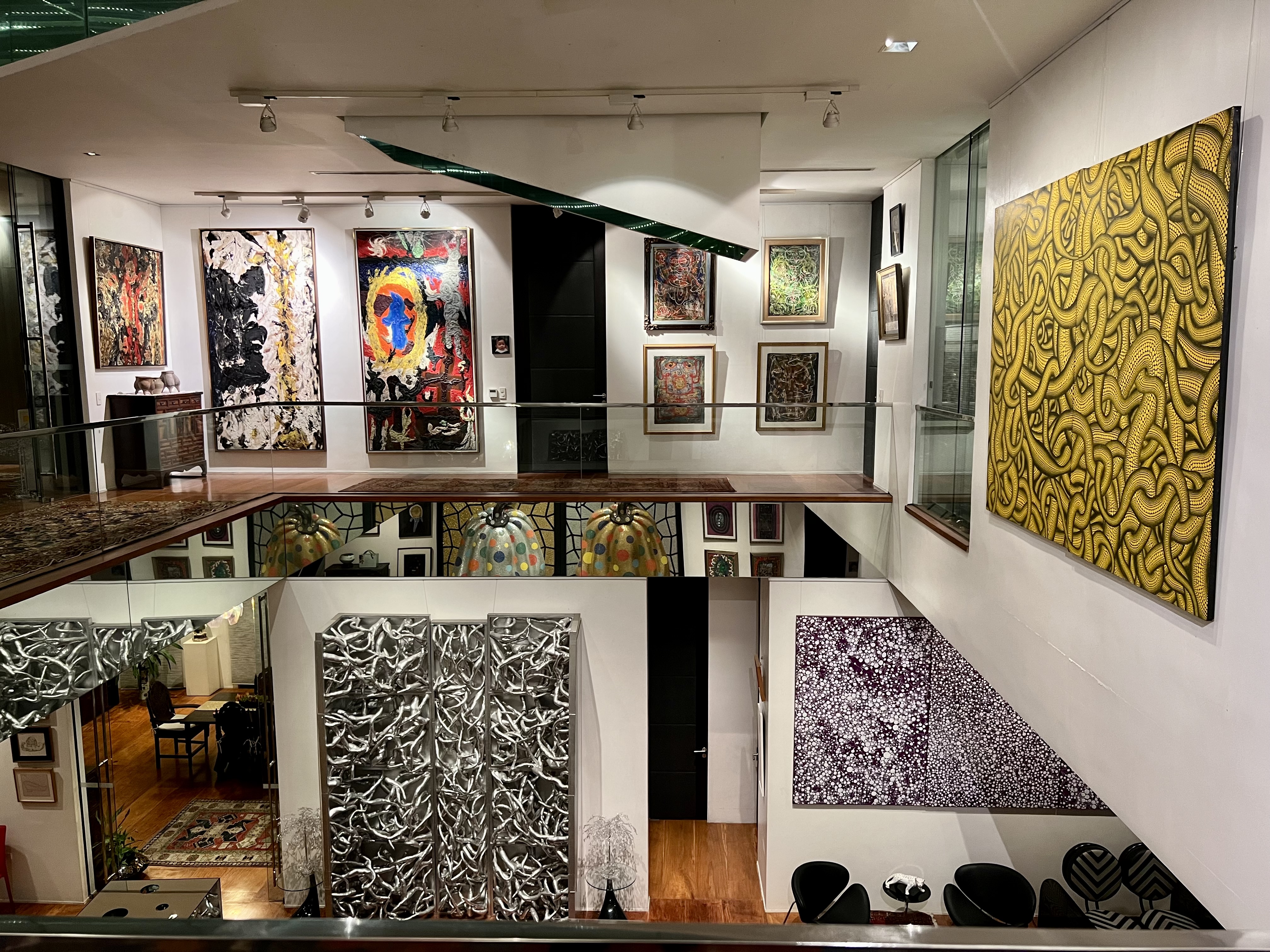
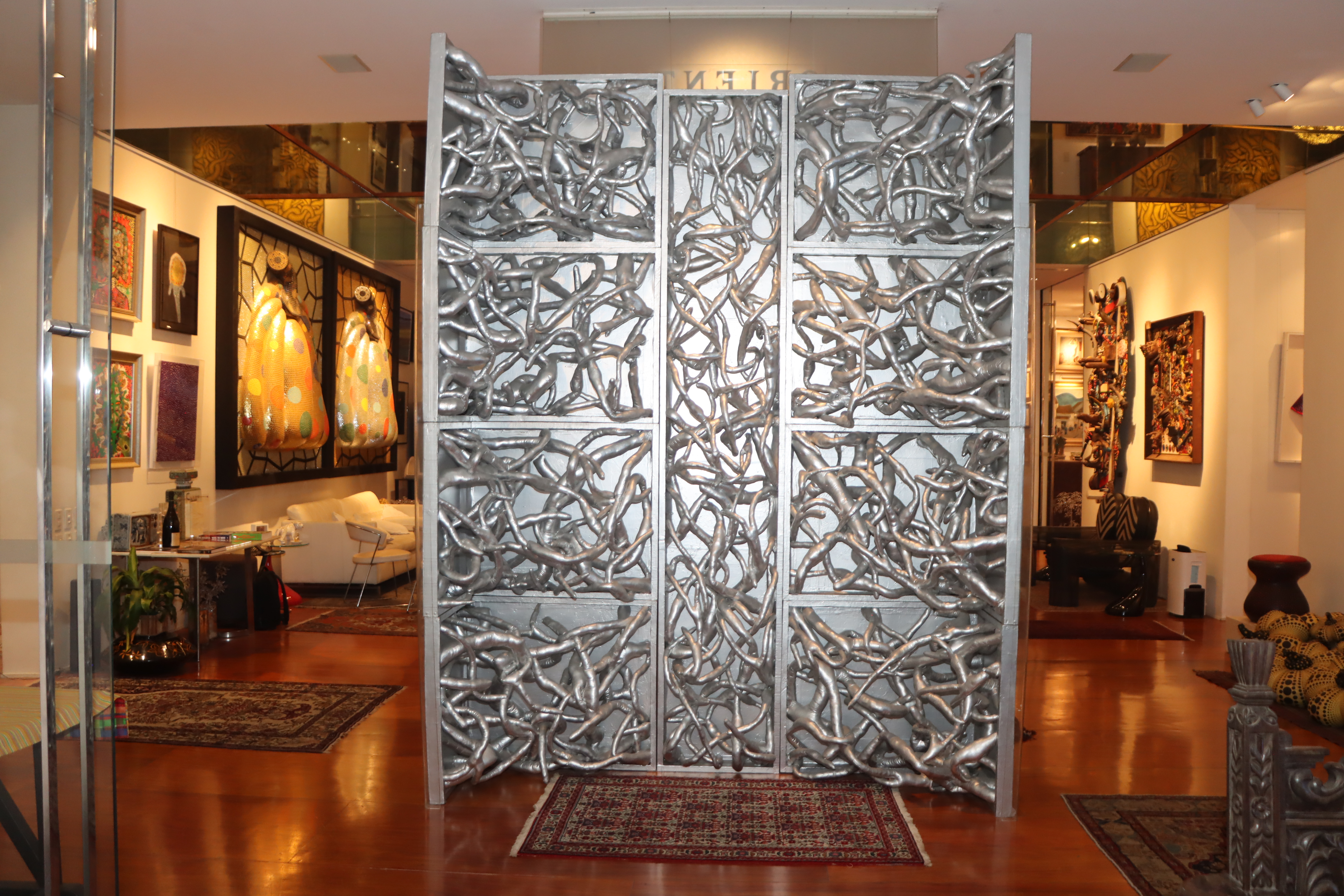
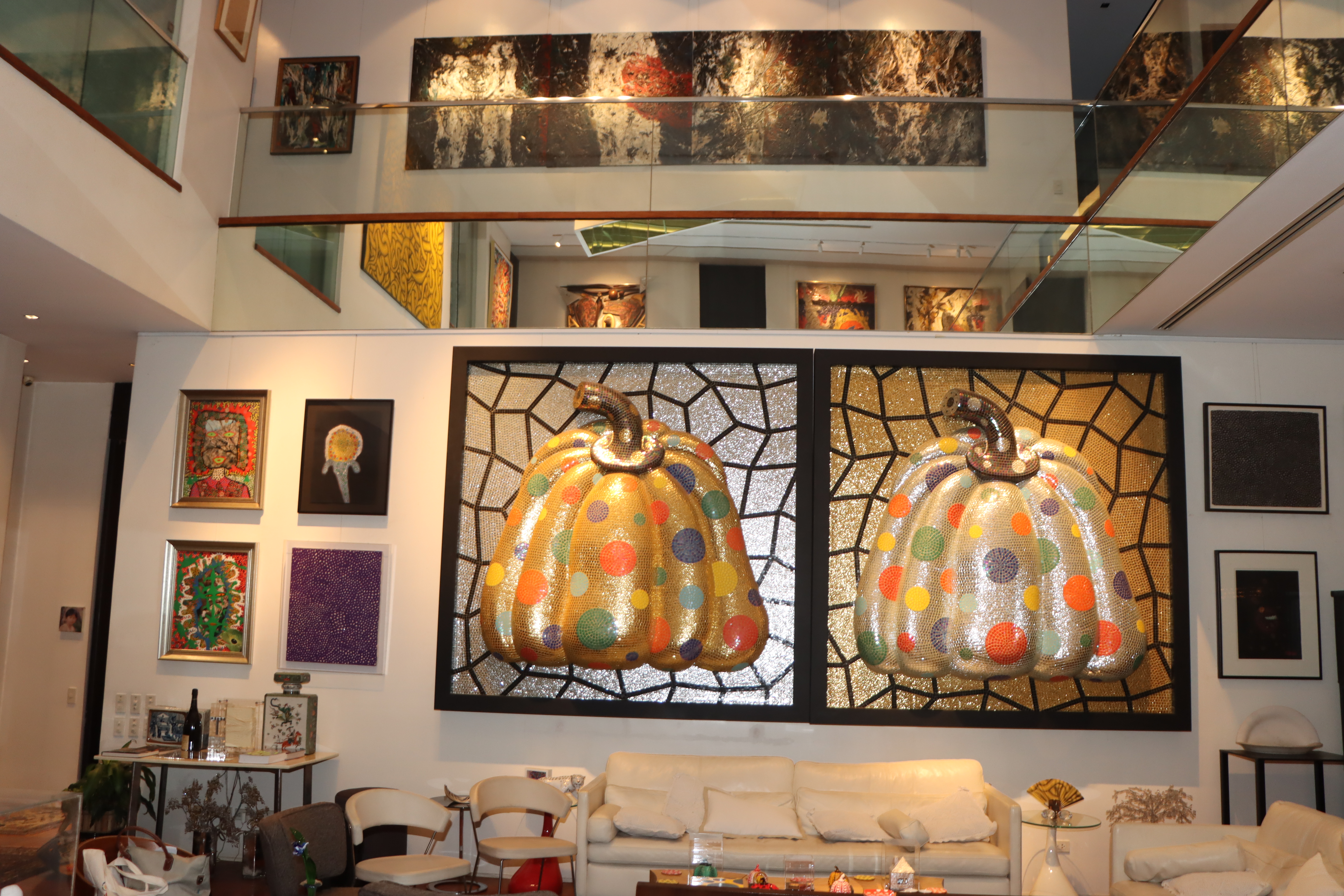
We don’t have a complete count of our collection and have just started having it catalogued. Our home in Makati, Philippines is where we mainly display our collection. We maintain a bespoke storage room in Makati and are completing a larger storage facility in our farm 1.5 hours south of Manila where we will also have a small exhibition space.
Have you ever presented/ Would you wish to present your art collection publicly?
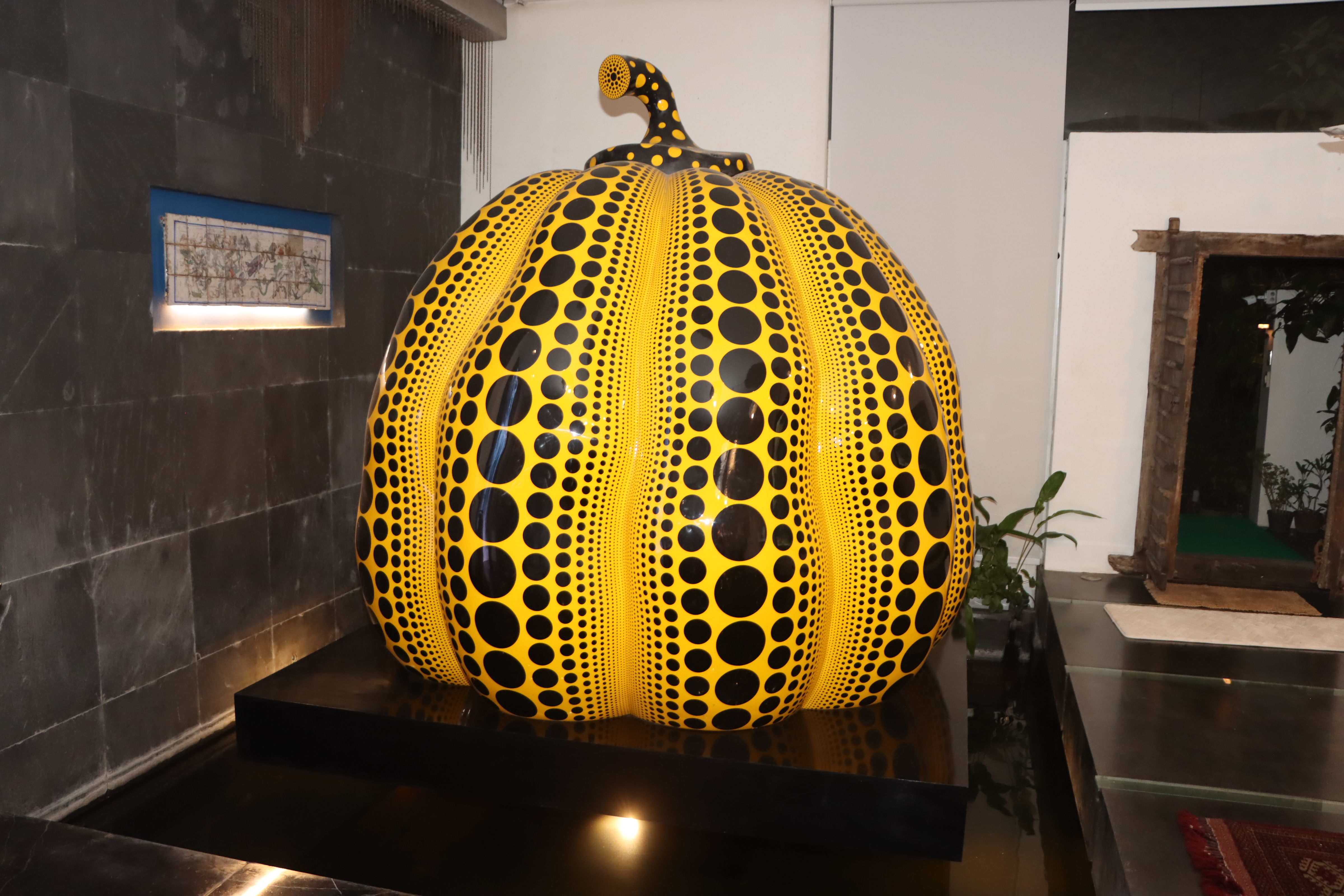
We have had an exhibition of our Kusama collection at the Ayala Museum in Makati way back in 2012. We also had an exhibition of our Gutai collection in the same museum a couple of years later and our Carlos Villa collection at the Yuchengco Museum. In November this year, the Metropolitan Museum of Manila will hold an exhibition of our Alfonso Ossorio collection.
In addition, we actively lend art works to museums around the world and have lent to SAM and NGS in Singapore, M+ in HK, NGV in Melbourne, the Guggenheim Museum in Bilbao, Serralves Museum in Portugal, QAGOMA in Brisbane, Hammer Museum in LA, Newark Museum of Art in New Jersey, the Whitney Museum in NY, Tamayo Museum in Mexico, Tate St Ives, U.K., San Francisco Asian Art Museum, San Francisco Art Institute, ILHAM in Malaysia, and many others.
What considerations guide you to make a purchase?
Is the artwork compelling, how important is the artist or will he become important, is the price reasonable, can we potentially exhibit the work in our Makati home, and is the work not too fragile for transporting?
Is there any kind of artwork that can make you write a cheque without any consideration?
When it is a compelling piece and not a huge amount of money, I tend to decide very quickly. Occasionally, we have purchased art during charity dinners or to financially support the seller or the artist.
What is your most treasured artwork?
Kusama’s “Sex Obsession” diptych, 1994.
How important is it for you to meet the artists who created the artwork?
We treasure meeting and knowing the artists we collect and, if they are no longer alive, their family members or people who had worked closely with them. They give us insights on the artists that are personal and special.
The Art World
What was your happiest moment being involved in art?
Spending 2.5 hours with Yayoi Kusama in her studio in 2015 has been the highlight of our life in the art world. We witnessed her painting, she showed us many of her works one by one, she ate the mooncake we brought her with gusto, had tea with her, she allowed me to hold her hand, she even recited two poems to us, and she signed my LV Kusama handbag and LV Kusama McKintosh along with a few books. She was exhuberant, genuinely wanting to please ( she kept asking Ota “What else can I show them?”), accommodating, sweet and very warm.
What’s your art-world pet peeve?
Dishonest art dealers.
Who inspires you the most in the art world?
Herb and Dorothy Vogel.
Why has art become important in your life? Is it a passion or an obsession or both?
Art has become a very important part of our married life, gluing my husband and me together. It is a shared passion between us. We have shared the love of art with our six children, two of whom became visual artists themselves.
Many of our activities like our travels, socials, community and museum volunteer work revolve around art. We are passionate and obsessive collectors.
Other Topics
What is your advice to young and fresh collectors?
Visit art museums, as many of them as you can and as often as you can! Visit good art galleries, biennales and triennales, Documenta, Manifesta, and other important art exhibitions. Refine your taste and develop your eye. Do research before committing serious money into art.
Can you name (three) emerging artists who should be on our radar?
Malgorzata Mirga-Tas from Poland, Josh Kline from the US, Catalina Swinburn from Argentina and London, Kitty Taniguchi from the Philippines
What are you especially excited about in regard to art in the next 12 months?
Dokumenta and Skulptur Projekte in Münster in 2027!
Do you host gatherings, salons, or dinners at home built around your collection – what’s the most memorable conversation that’s come out of one of these evenings?
We host a lot of dinners and gatherings at home around our art collection for both friends and family and even guests we have not met before. We regularly receive requests for visits from ambassadors, museum directors and curators, international gallerists, global art collectors and we are happy to have them. The Tate Modern curators and APAC group, museum societies, Adriano Pedrosa, curator of the 60th Venice Biennale, and many others have come to see our collection.
Kusama’s work is intensely hand-made, repetitive, almost anti-technological, while a studio like teamLab is built on digital collaboration and code – what does each satisfy in you that the other doesn’t, and do you see them as opposites or as two sides of the same obsession with infinity/repetition?
What an interesting question! As I said previously, we like works that are compelling and both Yayoi Kusama and teamLab have unbelievably compelling works!
Across very different disciplines – from Gutai to digital, technology-driven work – you’ve often been among the first collectors in, well before the market caught on. What does it actually take to move that early? Is it courage, a trained eye, timing, or simply being willing to ignore what everyone else is saying? What’s your advice to a collector who wants to develop that instinct?
Simon du Pury once told me to consider where an artist would be lined up against his peers. Will he or she be among the top 100? Will he or she be remembered a hundred years later? We take that advice rather seriously. We favor artists who are or are most probably going to be important in art history.
My advice to collectors is to immerse yourself in the art world. Attend art fairs, art talks, gallery openings; visit museums, biennales and other important art events; meet curators, artists, other collectors, and gallerists and talk to them and pick their brains. Be curious, be open, be bold, be resourceful!
Being early inevitably means being wrong sometimes, too – has there been a movement or artist you were convinced would matter and it didn’t pan out? What did that teach you?
You win some, you lose some. It comes with the territory. Thankfully, our wins have far exceeded our losses. You better like what you acquire so that even if the artwork or artist doesn’t pan out, you have at least something that you enjoy.