


Collecting can, over time, evolve from something deeply personal into something far greater: a desire to share, to educate, and to create new forms of cultural exchange.
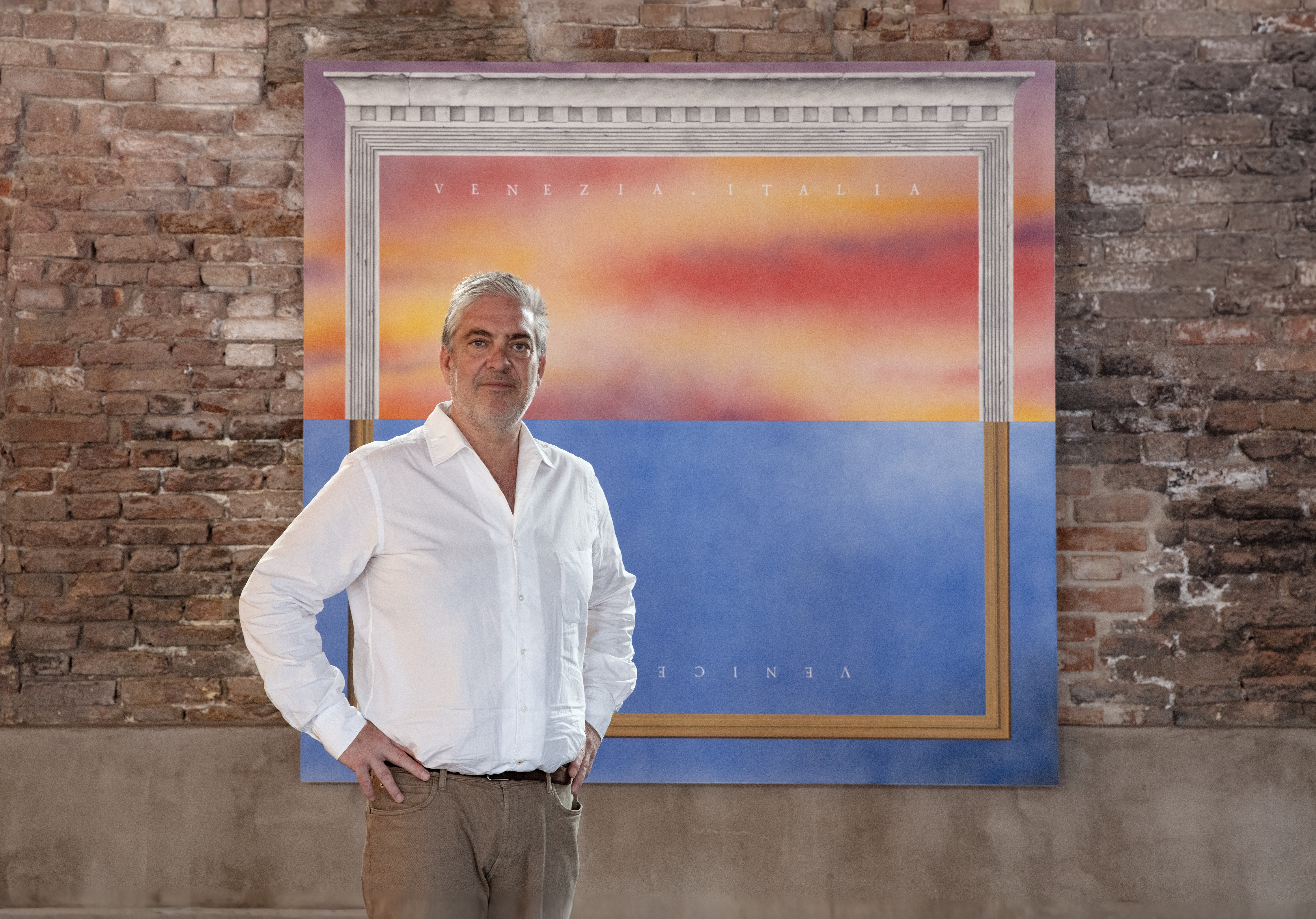
With AMA Venezia, collector Laurent Asscher has transformed his long-standing engagement with contemporary art into a public foundation in the heart of Venice, Italy.
Situated in an historical former soap factory, the space offers a distinctive setting for international exhibitions and an expanding dialogue between art and public access.
LARRY’S LIST had a conversation with Laurent Asscher, reflecting on the motivations behind the founding of AMA Venezia, his evolving approach to collecting, and his vision for the foundation’s future.
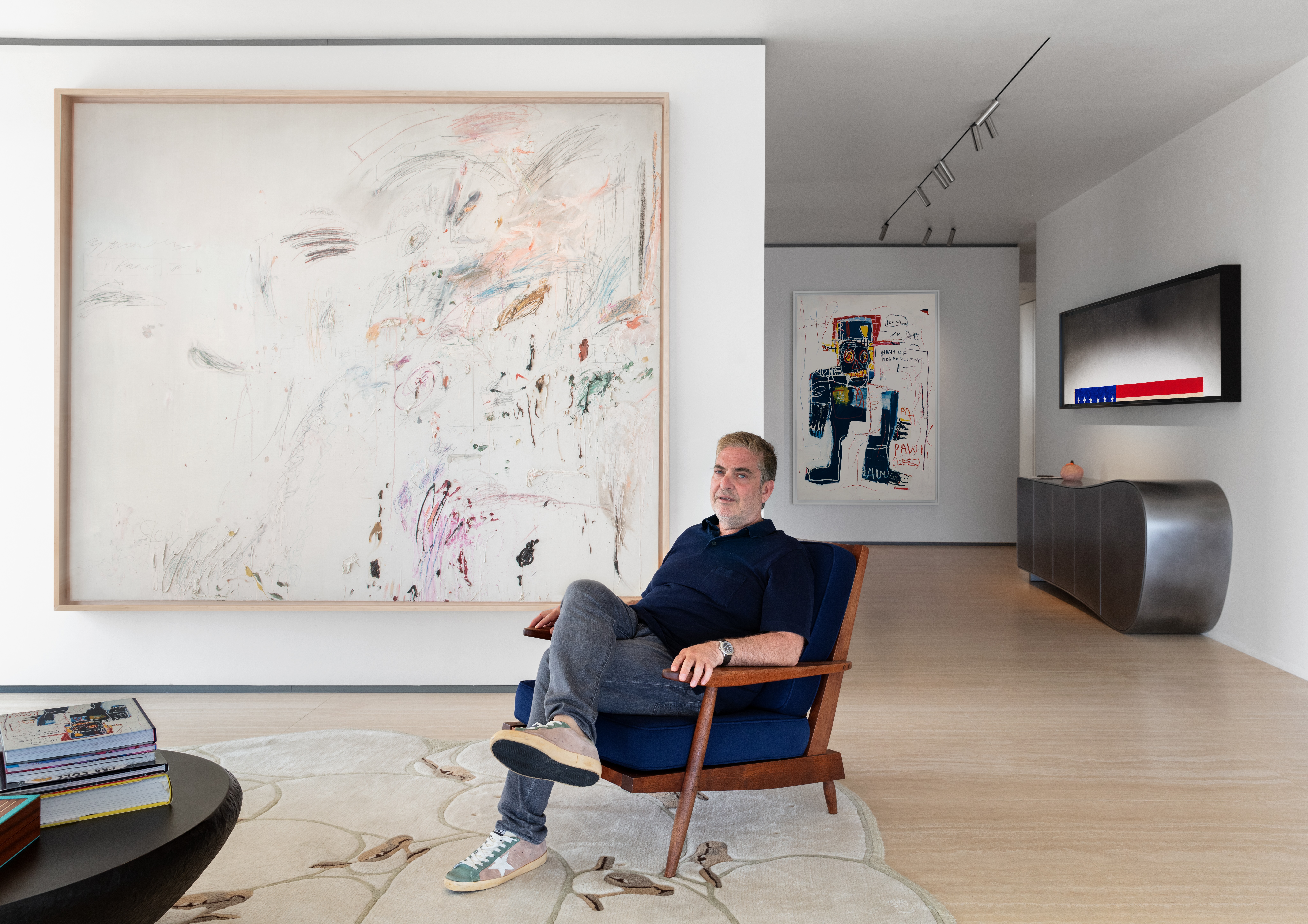
What inspired you to found AMA Venezia, and what was the motivation that drove this initiative?
When you begin collecting, you do not necessarily know exactly why you are collecting. You start by hanging works on your walls, then at some point you no longer have enough walls, so you buy a second home, and eventually that is no longer enough either. Then the works go into storage, and little by little a new desire emerges: the desire to share—to share what you do, to share the collection itself. In that sense, creating a foundation like AMA Venezia was simply a natural step in my journey as a collector.
Why did you choose Venice – and Italy more broadly- for opening the space?
I live in Monaco, Monte Carlo. It is the second smallest country in the world after the Vatican, so creating an art foundation of any significant scale there is almost impossible.
At the same time, my children are Italian, and I have loved Venice from the very beginning. Venice has also become a real center, a true hub for contemporary art, shaped by the influence of figures and institutions such as Pinault, the Guggenheim, Prada, and others. For me, choosing Venice was therefore an obvious decision.
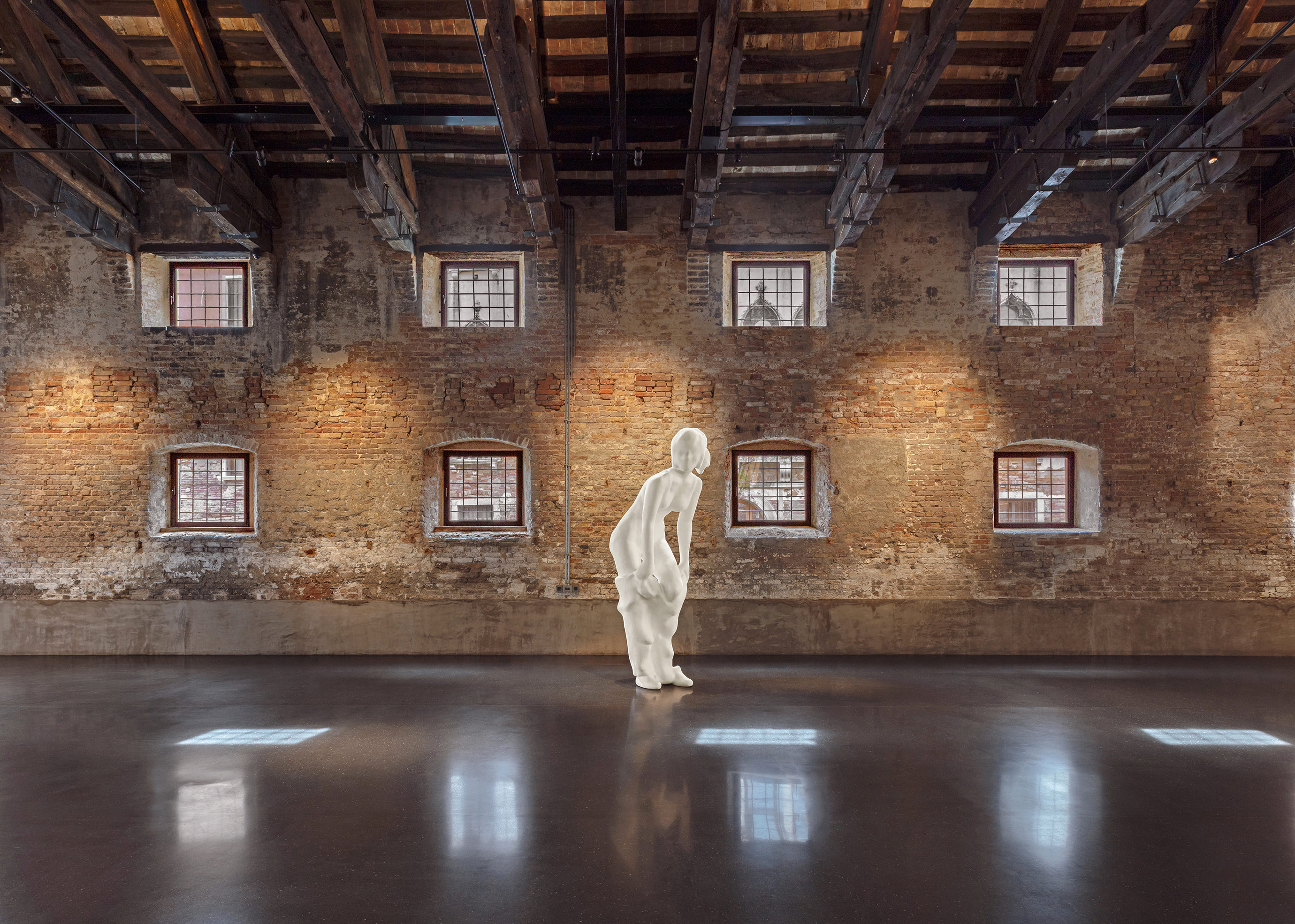
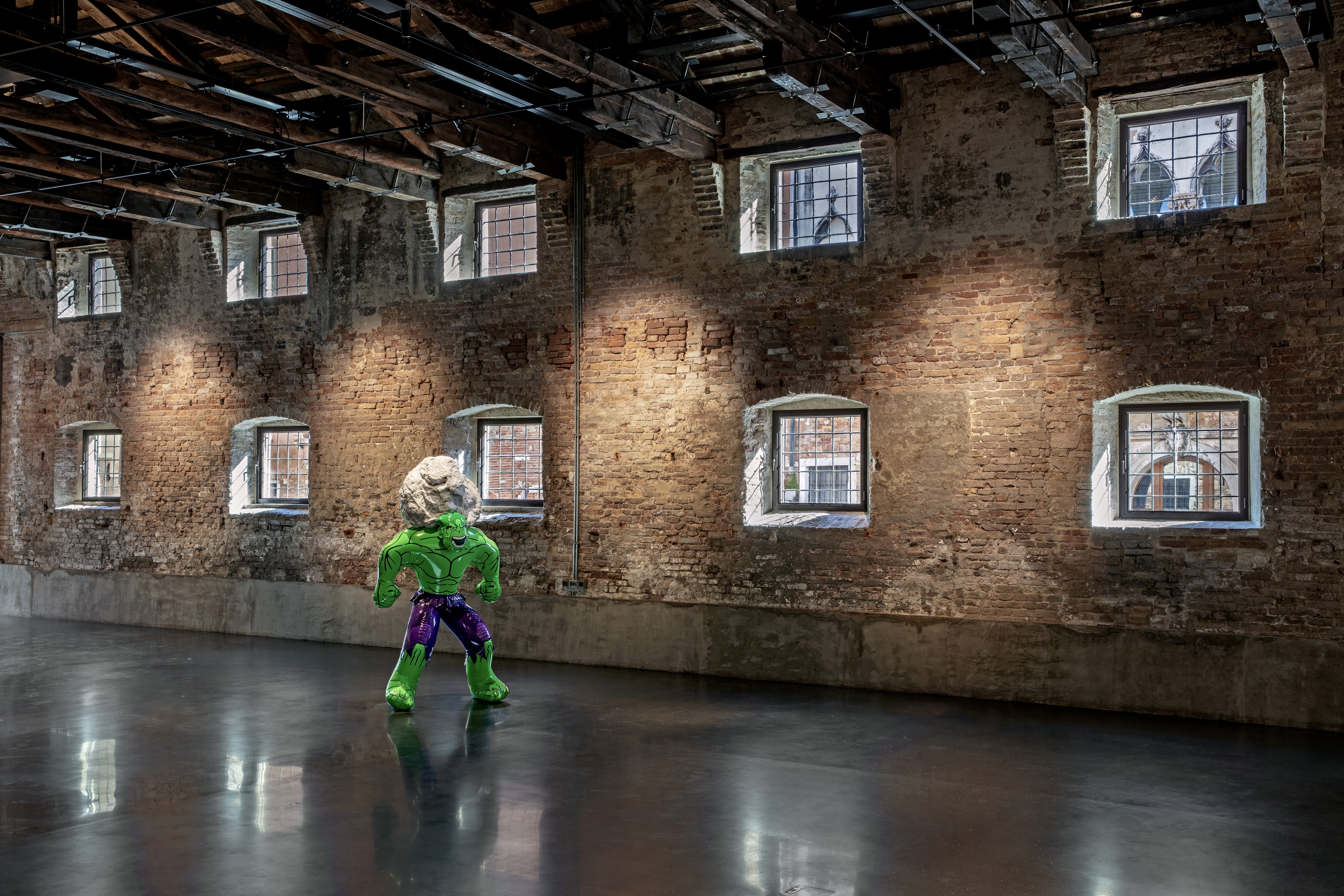
©Charles Ray, Courtesy of the artist and AMA Collection Installation view by Sebastiano Pellion di Persano
What is the mission of the foundation, and how do you translate that vision into practice?
The foundation’s mission is to introduce living contemporary artists to the widest possible audience. This includes not only established blue-chip names, but also emerging artists who may not yet be widely known. Through my own journey as a collector, I want to create an opportunity for other art lovers to discover these artists as well, and to make contemporary art more accessible, engaging, and open.
The architectural setting of AMA Venezia is quite distinctive – what role does architecture play in shaping the visitor experience?
The building is several hundred years old and was originally Venice’s former soap factory, so it is a place deeply filled with history. From the beginning, we decided not to alter anything we were not required to change for reasons of safety or preservation. We partially rebuilt the roof and replaced the floor, but we did not touch the walls, and we did not touch the spirit of the place. As a result, the space has a very authentic character, which is the opposite of the white cube environment so often found in galleries. When visitors enter, the contrast—the friction—between very contemporary art and a very old building creates an experience that feels truly unique, and one that can be found in very few places in Venice.
Were there any major challenges you faced during the foundation’s creation, and how did you overcome them?
We did not encounter any major challenges, largely because from the very beginning we knew very clearly what we wanted to achieve architecturally. With the architect, we had an extremely precise vision of the project. The only real challenges came when we replaced the floor and discovered archaeological remains. As a result, the construction work had to be stopped several times so that experts and the relevant authorities could examine and catalogue these findings, which were mainly old furnaces. In some cases, we decided to preserve them.
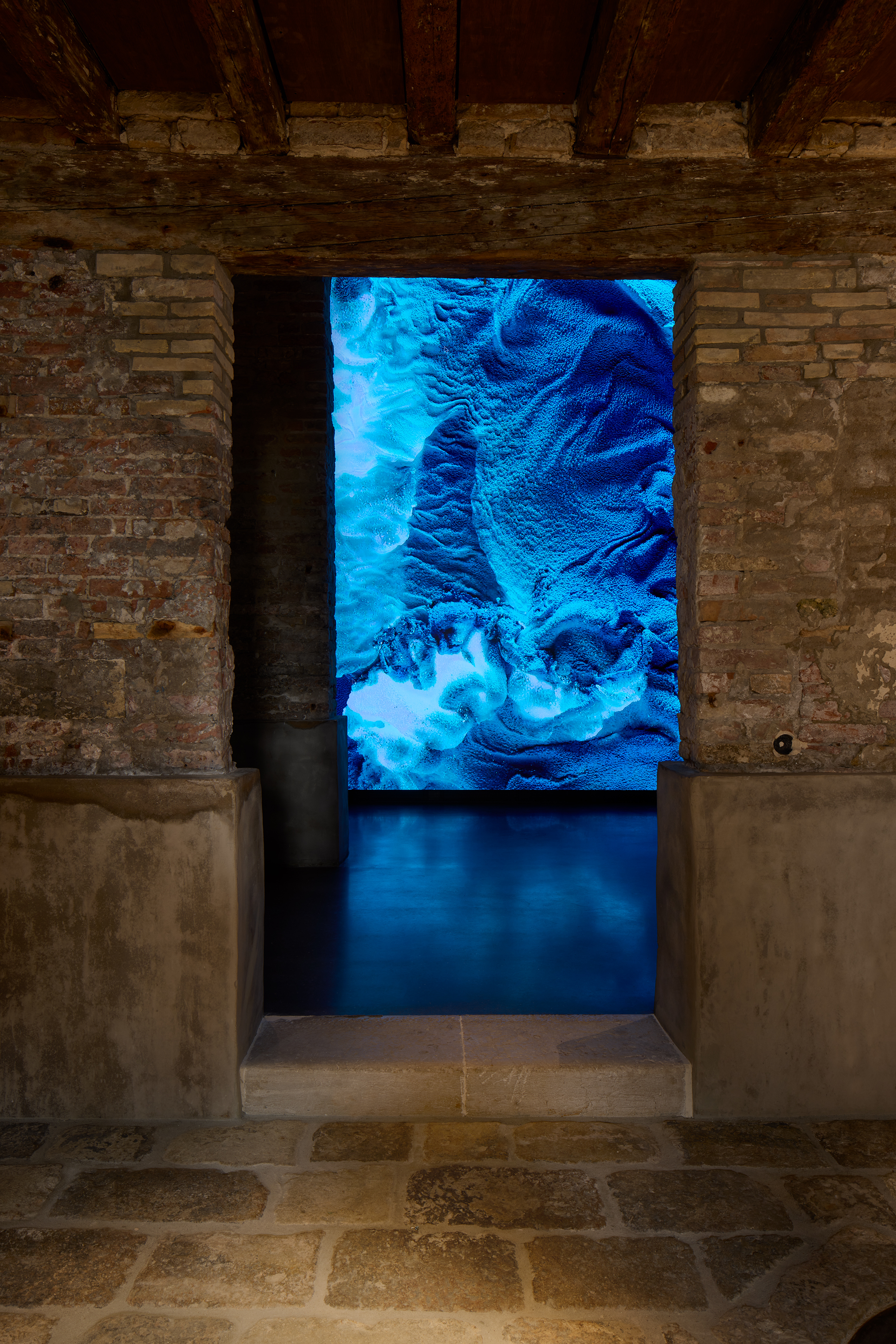
Collection & Curatorial Approach
What motivated you to start collecting art? Has your approach evolved over time?
My parents were collectors, so I grew up around art. I have always loved it, and I have always been drawn to the idea of collecting something. I cannot fully explain why, but it has always been something that deeply interested me. My taste has definitely evolved over time, because I believe that as you move along in your journey as a collector, you learn, you change, and you discover new artists. So yes, your approach naturally evolves according to what you encounter and what you discover.
Do your private collection and the artworks exhibited in the foundation have different focuses regarding the artists or genre of art?
Most of my collection is centered on American artists, or on the kind of art collected in the United States, because I discovered contemporary art while travelling there, visiting American museums between meetings and on weekends. As a result, I was very strongly influenced by American art. At the same time, I collect across a wide range of media—painting, sculpture, and video—so my interests are quite broad in terms of form. I believe the only medium I do not collect yet is photography.
How do you select artists and shape the exhibition program? And how large is the team behind the foundation?
We organize only one exhibition per year. We open with the Biennale and close with the Biennale, whether it is the Architecture Biennale or the Art Biennale. This rhythm gives us the time to reflect, to build carefully, and to develop each project in a meaningful way.
Our program is already planned for the next three years, and it always remains closely connected to the collection, with artists I collect and who have a strong relationship to it. So far, we have presented group exhibitions. Next year, we will also do something quite extraordinary, in a way that may not be expected, and we will begin presenting solo exhibitions for the next Biennale as well.
The team behind the foundation is quite small. We are a group of three or four people, and we think together and make decisions together.
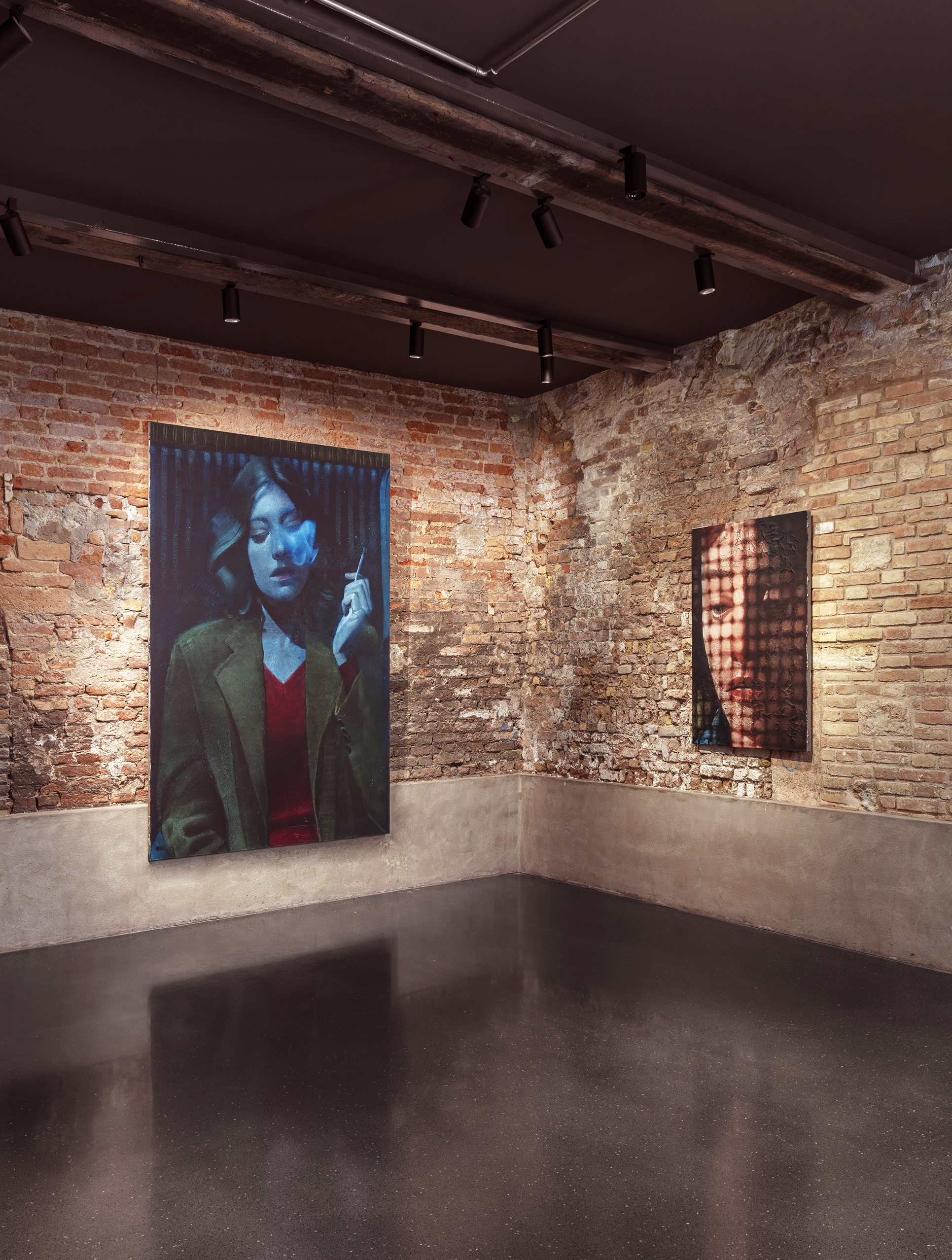
Do you collaborate with international institutions or curators, and if so, how do these partnerships shape your exhibitions?
The foundation is still very new—it opened only a year ago—so for the moment we have not yet carried out any major collaborations with other foundations, museums, or institutions. But we are absolutely open to that.
We are already discussing exhibitions from next year onward that will involve external curators, both next year and the year after. So although we are still at an early stage, we are already working with a number of curators around the world, and these future collaborations will gradually help shape and enrich the exhibition program.
Visitor Experience & Engagement
What is the central theme or concept behind the AURA exhibition?
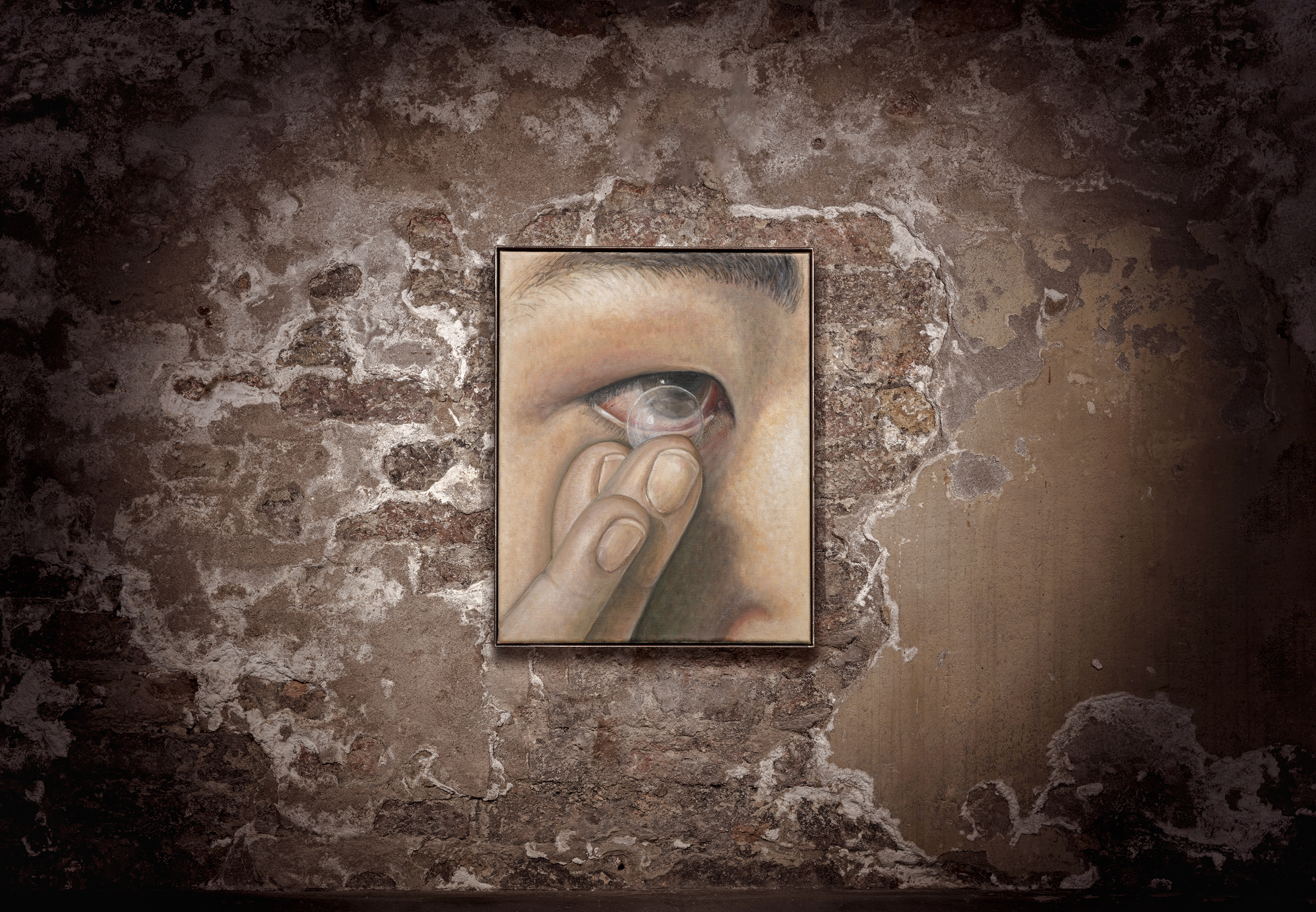
Aura is something each person must define for themselves—how they understand the word, and how they relate to the idea of their own aura. The intention of the exhibition is therefore to bring together different artists whose works create a powerful and sometimes unexpected emotional response. It is not about presenting what people might naturally anticipate, nor about making predictable combinations. In a way, it is an exhibition designed to provoke a very strong emotion in the visitor.
What can visitors expect to experience in this show?
Visitors will be surprised. They will be surprised when they encounter Tino Sehgal’s live work, and they will also be surprised by the works of Sang Woo Kim, Brendan Morris, Joseph Yaeger, and all the other artists in the exhibition. There will be a real sense of discovery throughout the show. People will not necessarily expect what they are going to see, and that element of surprise is a very important part of the experience.
What kind of audience are you hoping to attract to AMA Venezia?
We primarily expect an audience of art lovers, people who are truly passionate about art, and visitors coming to Venice for the Biennale. This is our first Biennale, so I honestly have no idea whether we will welcome 40,000 visitors or 100,000.
What we do expect, however, is an audience made up of engaged, knowledgeable, and curious people—visitors with a real interest in contemporary art.
How do you make contemporary art accessible to a broader public? Are there any educational programs or events that accompany the exhibition?
This Biennale will be accompanied by a series of talks that we are organizing precisely to explain the work, to educate, and to give the wider public greater access to the artists. That is an important part of our approach. But I also believe it is essential to present works in which people who may know less about art can still recognize something immediate and engaging. Video is one way of doing that, live works are another, and works that are surprising because of their appearance, their scale, or their presence are yet another. Surprise is important, because it is often through that first unexpected reaction that people gradually enter into art and begin to discover things they were not expecting.
Future Outlook
What can audiences look forward to in the AMA Venezia 2026 program?
For 2026, we expect an audience made up of art lovers and people who are deeply passionate about art.
What are the key elements that determine the success of a private museum?
For me, the first and most important element is the quality of the exhibitions. It is not about quantity, but about quality—presenting shows that are truly thoughtful, highly focused, and of the highest standard. The second element, because it is important to have real metrics, is the number of visitors. I come from the world of technology, so I do not believe in self-satisfaction without measurement. Visitor numbers remain an important way of understanding whether we have succeeded in attracting an audience to the show—especially since we are one of the only, if not the only, free foundations in Venice.
What is your advice to other collectors who may be thinking about opening a foundation or a public space?
My main advice would be to do it in a way that truly reflects who you are, and at a scale that remains human and sustainable over many years. I have often seen people open foundations that were too large, with enormous operating budgets, or without having enough works in their collection to fill the space at the level of quality they had hoped for. So I think the most important thing is to define the right size very carefully, to be clear about the kind of exhibitions you want to present, and not to try to become the Guggenheim overnight. That is probably the most important advice I could give.
What was your happiest or most memorable moment since AMA Venezia was set up?
It is definitely the moment when you look at the artists and see them discovering their works installed during the Biennale, and you realize how happy they are. Seeing them more than satisfied—truly moved to find their works on the walls of the foundation, and presented even better than they had imagined—is without question the most memorable moment for me.
Are there any dream artists or projects you hope to realize in the coming years?
Yes, I have many projects and many dreams. Each one is a challenge, because everything has to fit within the artist’s schedule and AMA Venezia’s schedule, especially since we present only one exhibition per year. But we already have projects and ambitions in mind for at least the next ten years.
Related: AMA Venezia
Instagram: @amavenezia @laurent.asscher
