


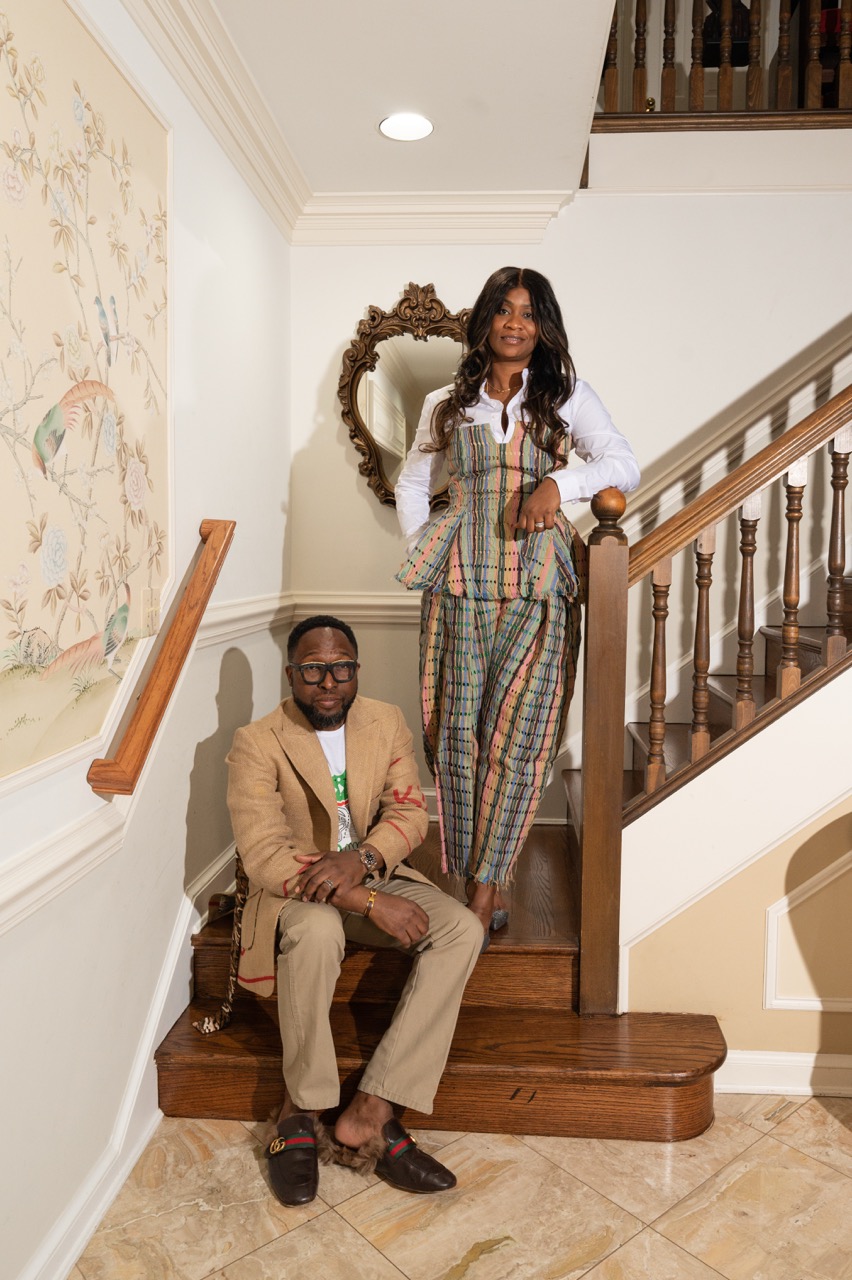
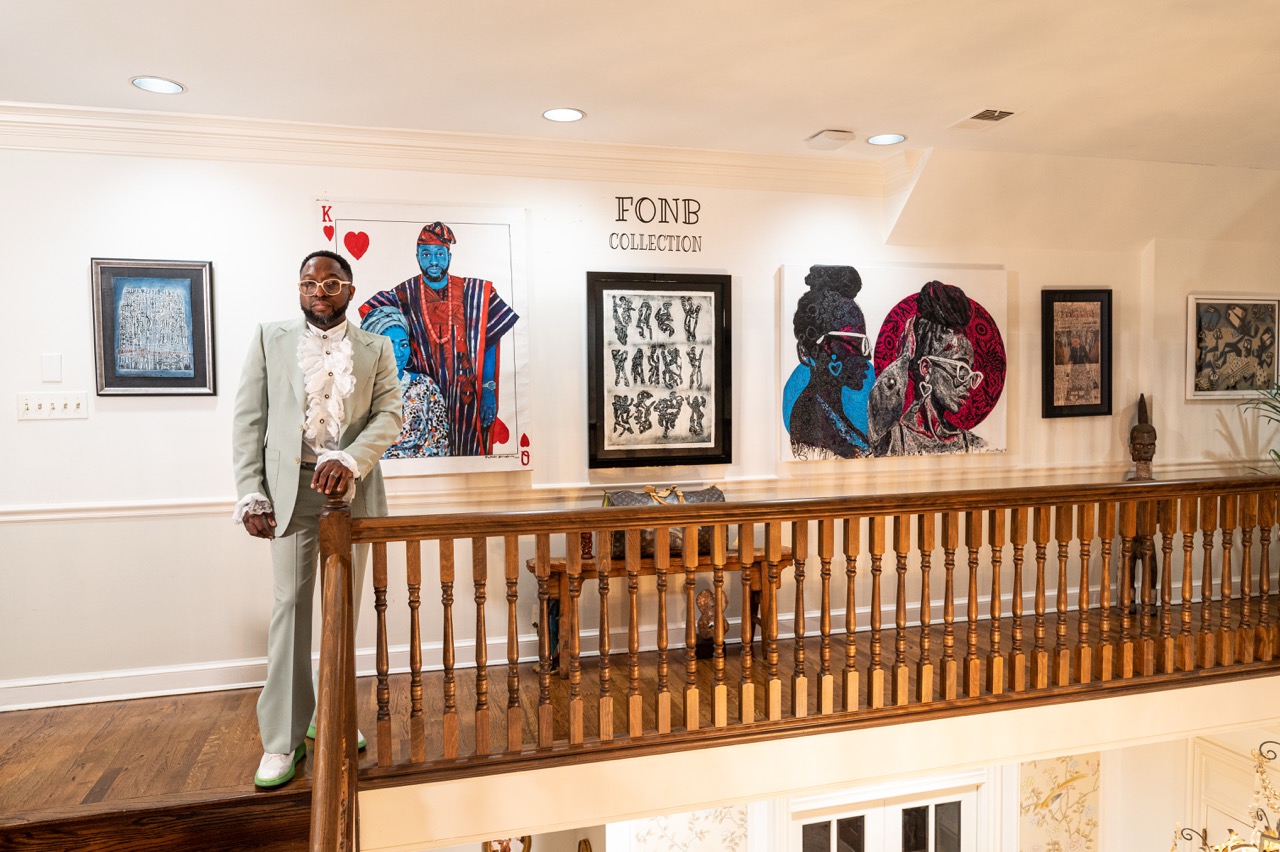
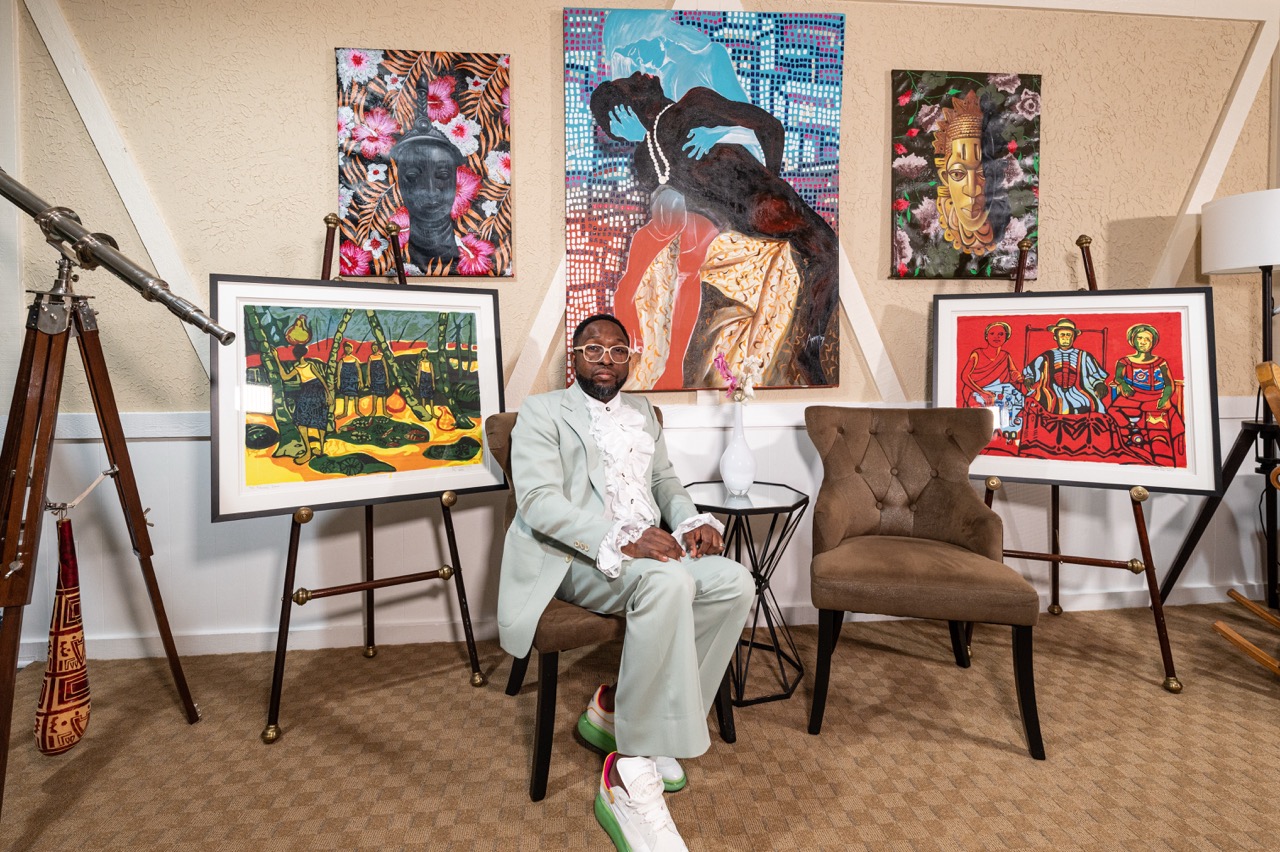
Babatunde is an architect and avid art collector who has spent two decades building a private collection of African and diaspora art. As the custodian of The Fonb Collection, he embraces a philosophy of stewardship over ownership. “I see my role as stewardship, not ownership,” he explains, viewing himself as a temporary guardian of cultural heritage rather than a proprietor. The Collection showcases masters, mid-career talents, and emerging artists from Africa, its diaspora, and beyond. With over 600 pieces spanning three continents; Potomac, Maryland; Lagos, Nigeria; and London, England. The Potomac location regularly opens its doors to guests, offering intimate encounters with African art and works from around the world.
Beyond his collecting practice, Babatunde serves as a foundational member of the Art Committee at the International Monetary Fund, where he pioneered and executed the Art Program pilot in 2017, bringing art into dialogue with global economic institutions.
In conversation with LARRY’S LIST, Babatunde discusses the inheritance of some pieces and continuation of his father’s collecting legacy, his latest acquisitions, and why building and sharing this collection remains critically important work.
Collecting
What made you want to start collecting art? What is the main motivation behind your collecting?
Art has always been in my DNA. Growing up surrounded by my father’s collection, I absorbed the power of visual storytelling from an early age. Architecture school deepened this connection in unexpected ways; we began by training our eyes through still-life drawings and studies of nature, learning to truly see before we could design. Being steps away from the creative arts department meant stumbling upon sculptures mid-creation and catching raw performance rehearsals. These moments wove together into an irresistible pull toward collecting.
My motivations have evolved like chapters in a book. Early on, collecting was about capturing memories, bringing home a piece of every journey. Then, it became more intentional: a way to celebrate identity and amplify the voice of our culture. Now I’m in perhaps my most exciting phase yet using art as a bridge. I’m fascinated by how the right piece in the right moment can connect disparate worlds, spark unexpected conversations, and forge lasting bonds between people who might never otherwise meet.
What does it mean to you to have inherited your father’s art collection?
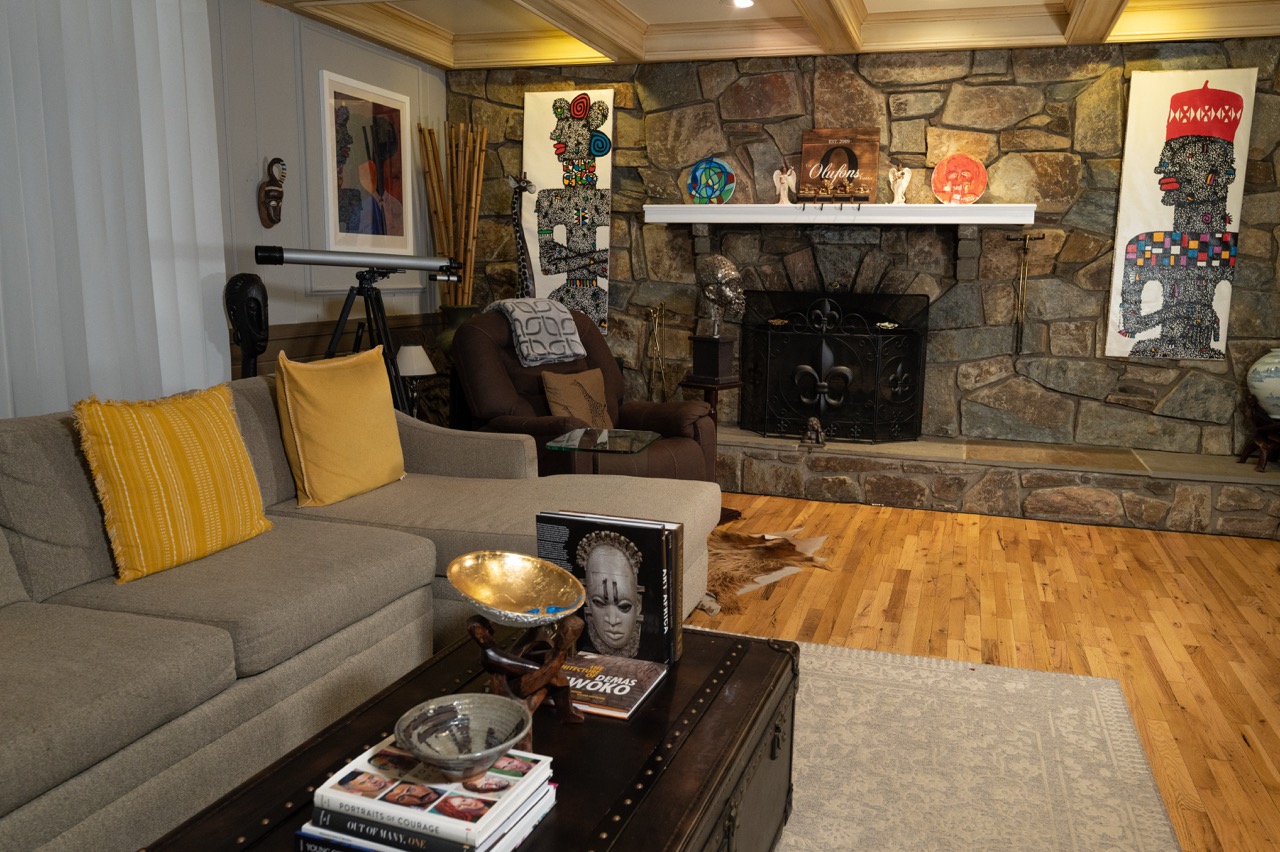
My father’s collection was beautifully personal; he fell deeply for Henry Moweta’s work and built relationships that led to other discoveries through the artist’s circle. I inherited a portion of his collection (my three siblings are collectors themselves, so we each became custodians of different pieces), and these works feel like conversations continuing across time.
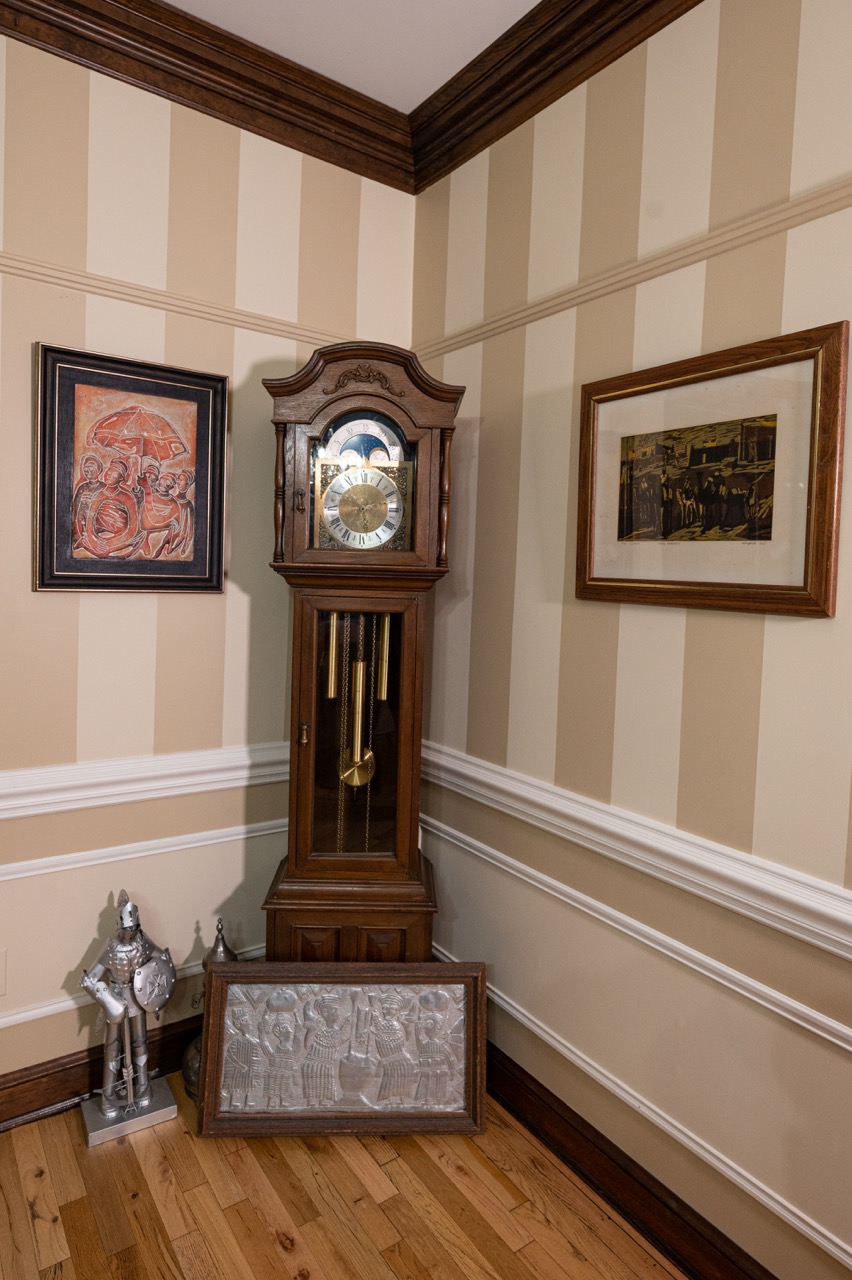
Beyond my father’s collection, I’m privileged to steward other family treasures that carry profound histories. There’s a 1972 A.L. West copper relief from my father-in-law. And then there’s a painting of Jerusalem by Shmuel Katz—an Austrian-born Israeli artist and Holocaust survivor who immigrated to Israel postwar. This piece was gifted to my family from the estate of the late Ronnie and Emily Sax. Each heirloom carries stories of resilience.
When did you fall in love with a piece of art? What was it?
Every piece in this collection represents a moment of connection, a spark of recognition. I fell in love with each one; that’s their admission ticket. They each caught my eye, spoke to my soul, or challenged my perspective in a way I couldn’t ignore. That’s why they’re a part of the collection.
What is your focus regarding the artists in your collection?
I deliberately cultivate a hybrid ecosystem with masters, mid-career artists, and emerging voices all coexist in the collection. Think of it as a conversation across generations and experience levels. The masters provide gravitas and historical context, mid-career artists bring maturity and refined vision, while emerging artists inject fresh energy and contemporary urgency. Together, they create a more complete, more honest picture of where art has been and where it’s going. Each voice is essential; each tells a different part of the story.
What kind of art has consistently attracted you? Or What is the theme that unites all the works you have acquired?
Rather than adhering to a single artistic theme or style, the collection is a visual autobiography that maps my lived experiences and evolution as both a person and a collector. Art is another way I learn about and process the world. You’ll find works that grapple with social justice, celebrate cultural heritage, confront environmental crises; the full spectrum of what it means to be human right now. The unifying thread isn’t aesthetic; it’s curiosity. Every piece teaches me something or asks a question I can’t stop thinking about.

What were the first and the latest artworks you purchased?
My first purchase was in 2004 in Accra, Ghana; a painting of reggae icon Bob Marley by a Ghanaian artist. Looking back, it perfectly captured that early collecting impulse: bringing home not just an artwork, but a memory, a feeling, a moment in time.
Fast forward to my most recent acquisitions: a piece called Yoruba Scene by David Driskell and a rare early Duke Asidere painting from 1993. These latest additions represent a more seasoned eye. I’m drawn to the historical significance of early works and works that show an artist going out of their comfort zone to learn.
How many artworks do you own? Where do you display your collection?
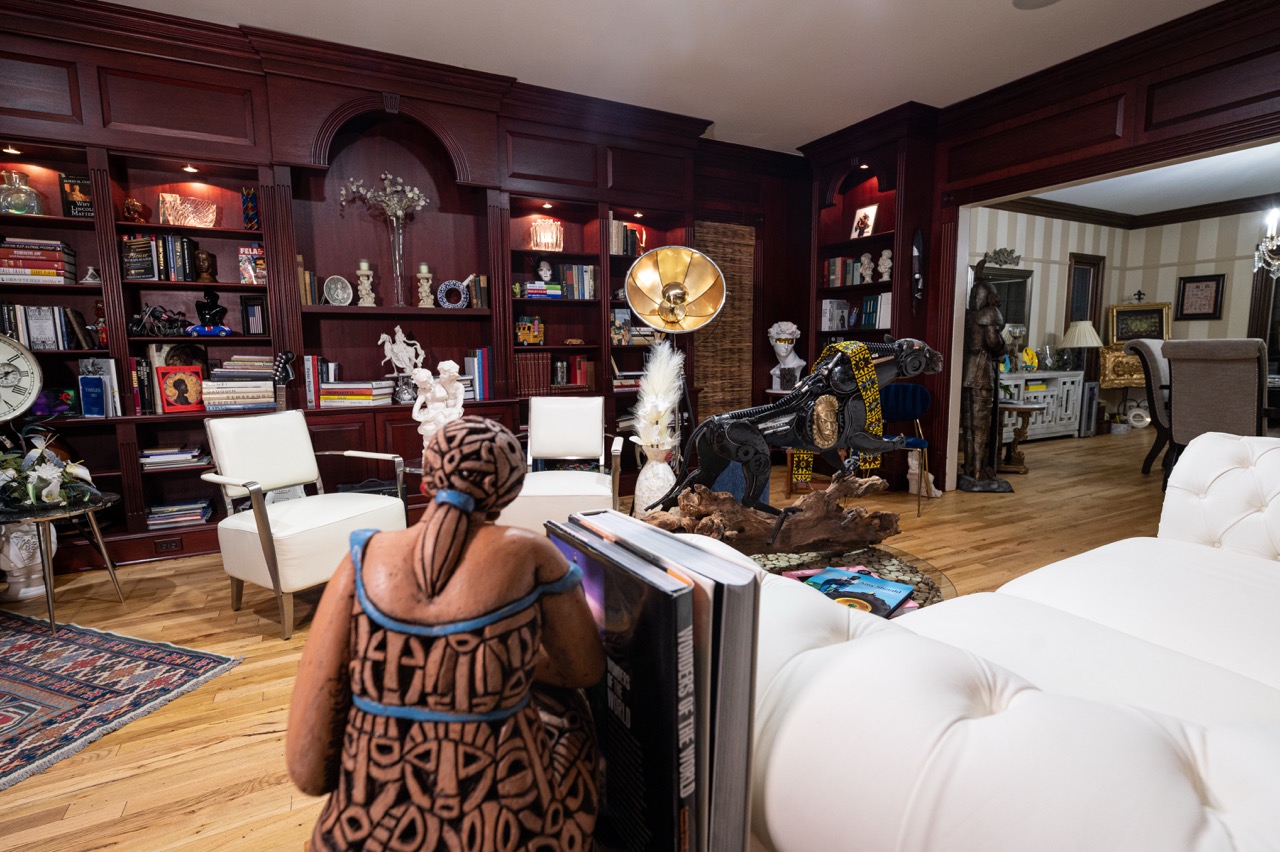
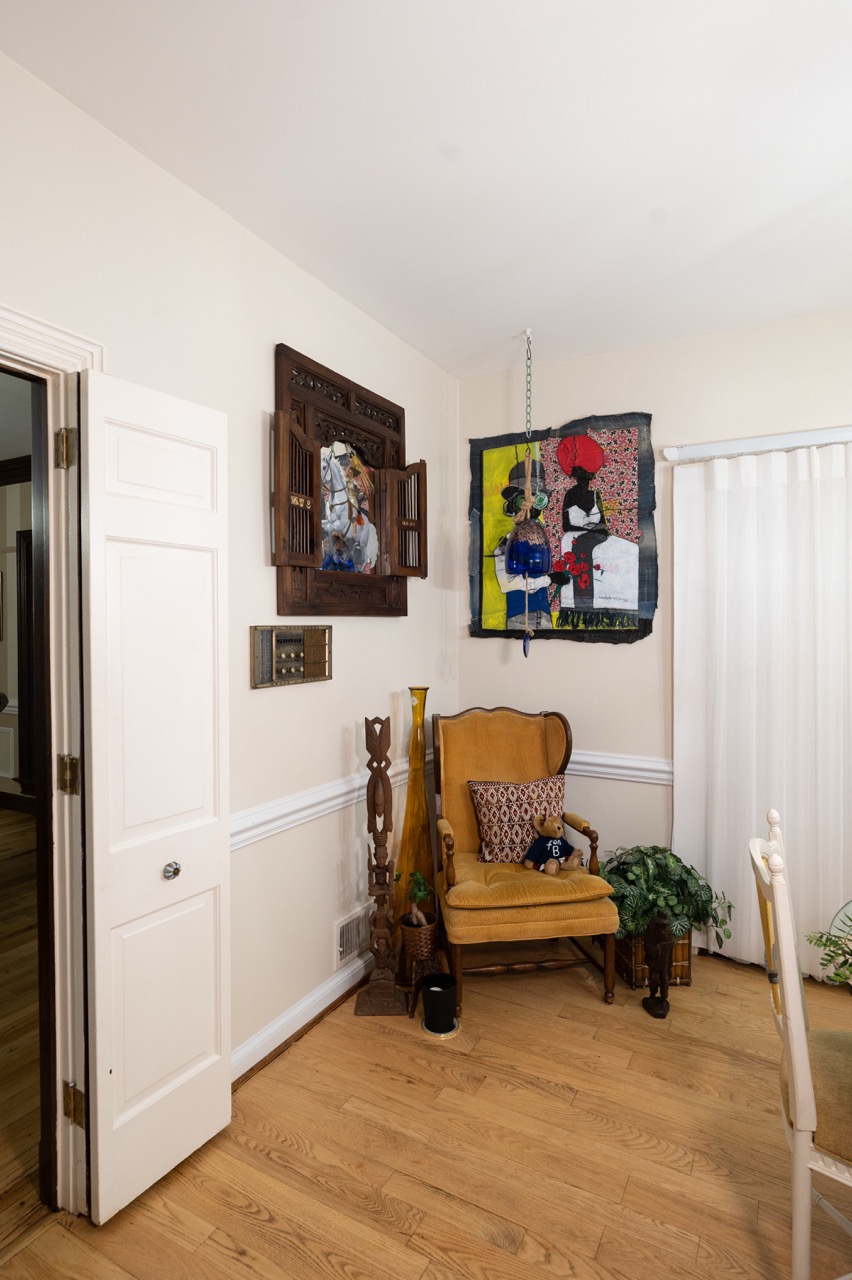
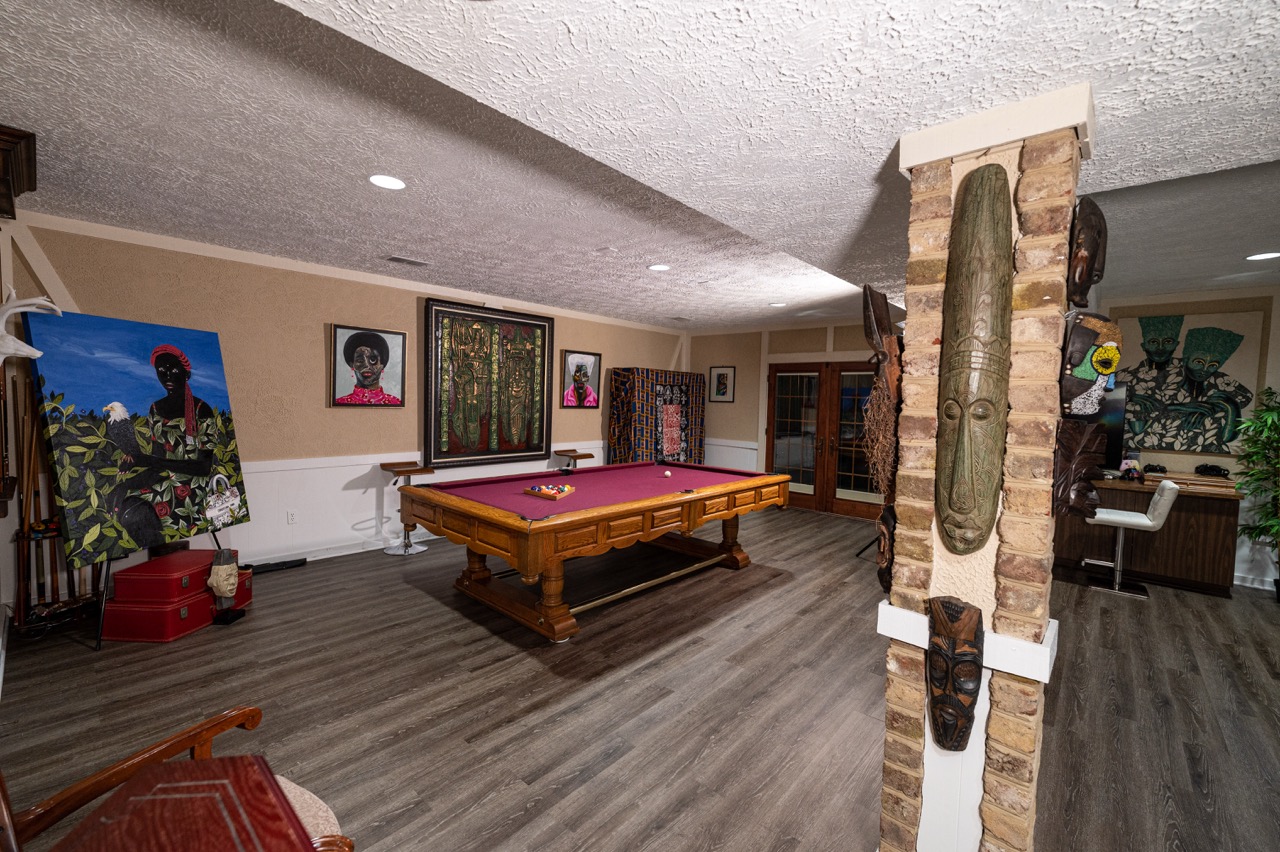
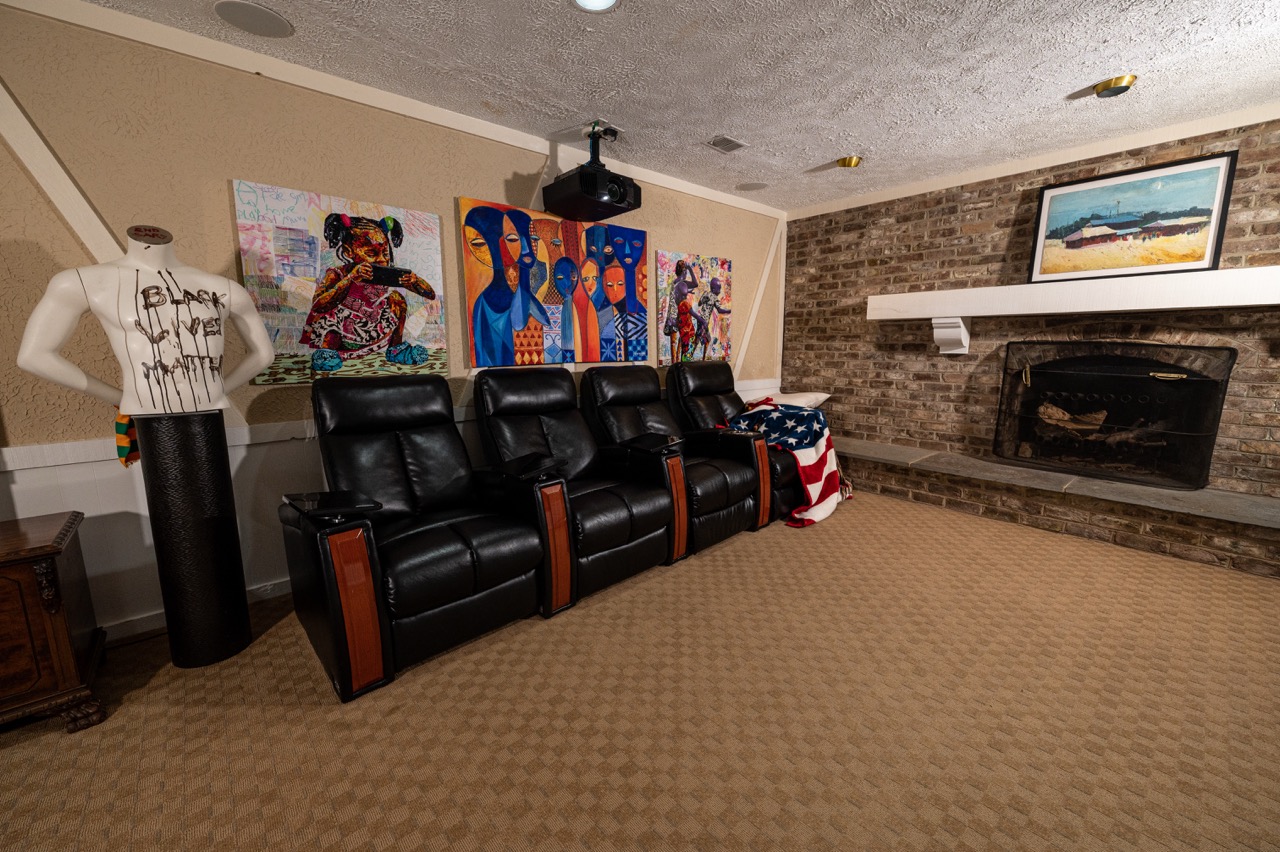
I’m steward to over 600 artworks spanning multiple media, and they live across three continents. The collection itself is a traveler, existing in different contexts, different lights, different conversations depending on where each piece resides.
Have you ever presented your art collection publicly?
Absolutely, and this is important to me. Works from the collection regularly participate in exhibitions around the world; pieces have been shown at the Smithsonian National Museum of African Art, among other venues. I see my role as stewardship, not ownership. Artists know they can request their works back anytime for retrospectives, exhibitions, or publications. These pieces deserve to be seen, studied, and celebrated beyond my walls. Art gains power through circulation and dialogue, not isolation.
What considerations guide you to make a purchase?
The work must speak to me first; that’s non-negotiable. It needs its own distinct visual language, its own vocabulary. But I also consider how it enters the larger conversation of the collection. Does it complement existing works? Does it challenge them? Create new dialogues? Fill a gap or amplify a theme?
The mathematical principle applies here: the sum of the parts will always be greater than any individual piece. I’m not just collecting artworks; I’m orchestrating relationships among them.
What is your most treasured artwork?
That’s like asking me to choose my favorite child! I love them all and I love each artwork in the collection in their own unique, irreplaceable ways. Each has earned its place for different reasons, at different moments in my life. To single one out would diminish what makes the collection whole.
How important is it for you to meet the artists who created the artwork?
Critically important if they’re living. I deeply value artist relationships. I want to understand not just the finished piece but the journey to create it. What questions drove them? What risks did they take? Studio visits are my preferred medium for this connection seeing where the magic happens, understanding their process in their own environment. The artwork tells one story; the artist tells another. Together, they create something richer than either could alone.

The Art World
What was your most memorable moment being involved in art?
Pioneering and piloting the art program at the International Monetary Fund in 2017. Bringing art into that particular institutional space and making art visible felt revolutionary. It demonstrated that art belongs everywhere, that cultural dialogue enriches every conversation, even, or especially, those about global finance and policy.
Who inspires you the most in the art world?
Pa Bruce Onobrakpeya stands as a towering inspiration. Yes, he’s a legendary artist, but what truly moves me is his work as an educator and philanthropist. His contributions extend far beyond his own canvases as he’s shaped generations of artists, built institutions, opened doors.
At 93, his passion for art remains contagiously beautiful to witness. He proves that art making isn’t just about production; it’s about generosity, mentorship, and building ladders for those who follow. That’s the kind of legacy that matters.
Can you name three emerging artists of African descent who should be on our radar?
Daniel Pabi- Stylized and ingenious Figurative expressions
Lateef Olajumoke – Remarkable storytelling with a distinct visual language
Selena Noir Jackson – A voice bringing fresh perspective to contemporary conversations
What are you especially excited about in the art world in the uopcoming months?
Two things have me energized: The opening of the expanded area at the High Museum Atlanta for African and Nigerian visual art, and closest to my heart, the launch of a book on the collection this year. The latter feels like completing a circle, sharing these stories and relationships that have shaped my life with a wider audience.
Related: The Fonb Collection
Instagram: @fonb_
A selection of artists Babatunde collects:
David Driskell
Djakou Kassi Nathalie
Duke Asidere
Selena Noir Jackson
Tola Wewe
By Ricko Leung
