


South African art collector Emma Menell has been collecting contemporary art mainly by African artists since 2000. Her art collection includes over 200 works, including by William Kentridge, Kudzanai Violet Hwami, Amy Sherald, Zaneli Muholi, Alberta Whittle and Lynette Yiadom-Boakye.
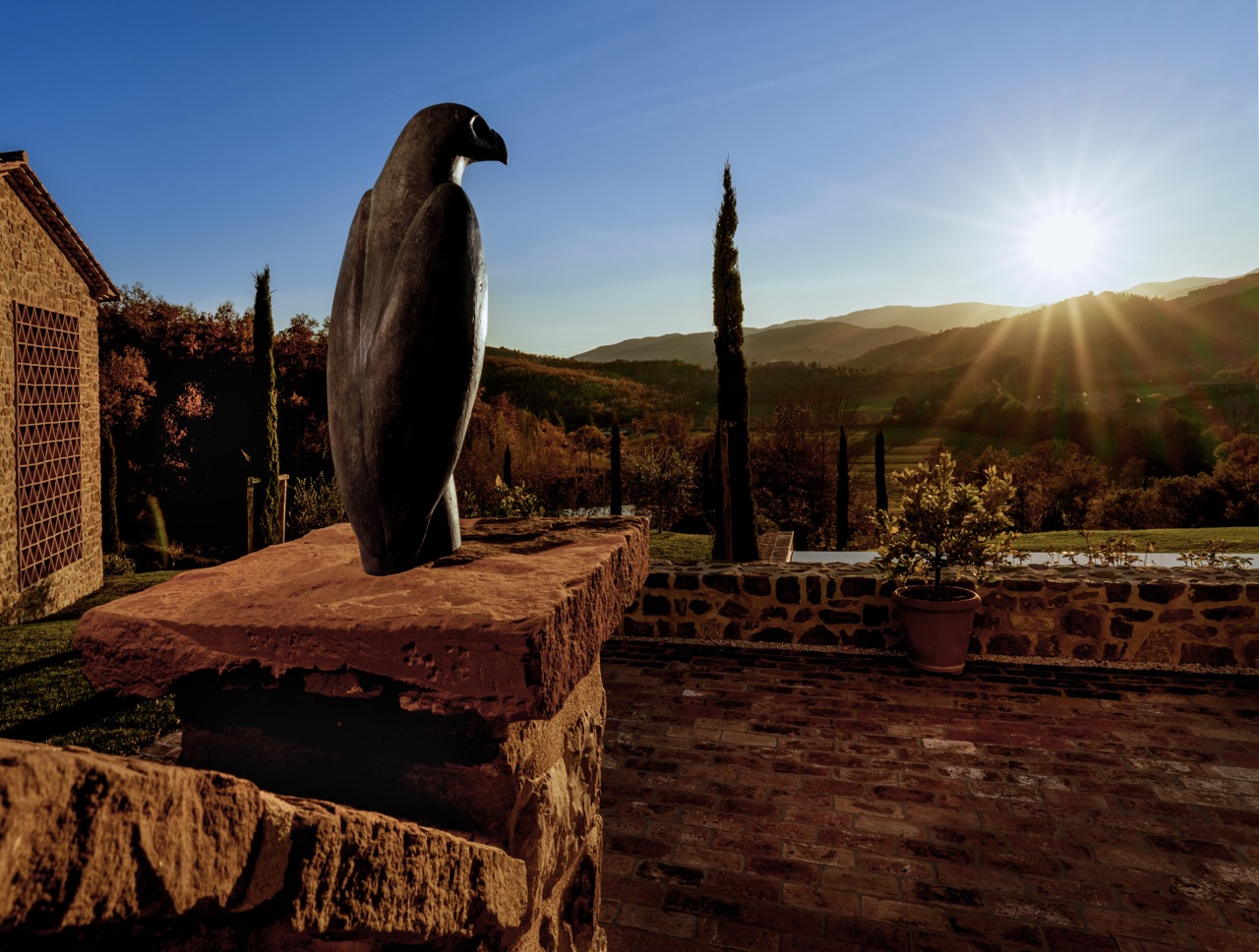
Formerly a lawyer and gallery owner, she recently founded Tyburn Foundation, which champions early and mid-career African artists by offering residencies across Italy and Zimbabwe. One of its residency locations is a restored tobacco tower on site at Emma’s home, La Foce, situated in the heart of the Nicone Valley in Umbria and surrounded by woodlands and spectacular panoramic views. This spring in an ancient clearing in a forest on the edge of the property with public access, South African artist Michele Mathison will make one of his largest sculptures to date—55 travertine pillars will form a piece of land art.
LARRY’S LIST had a conversation with Emma Menell, who shared about why she started collecting art during a transformative period of South Africa, her latest artwork acquisitions, her favourite artwork, why she established the Tyburn Foundation, as well as her insights into the South African art scene.
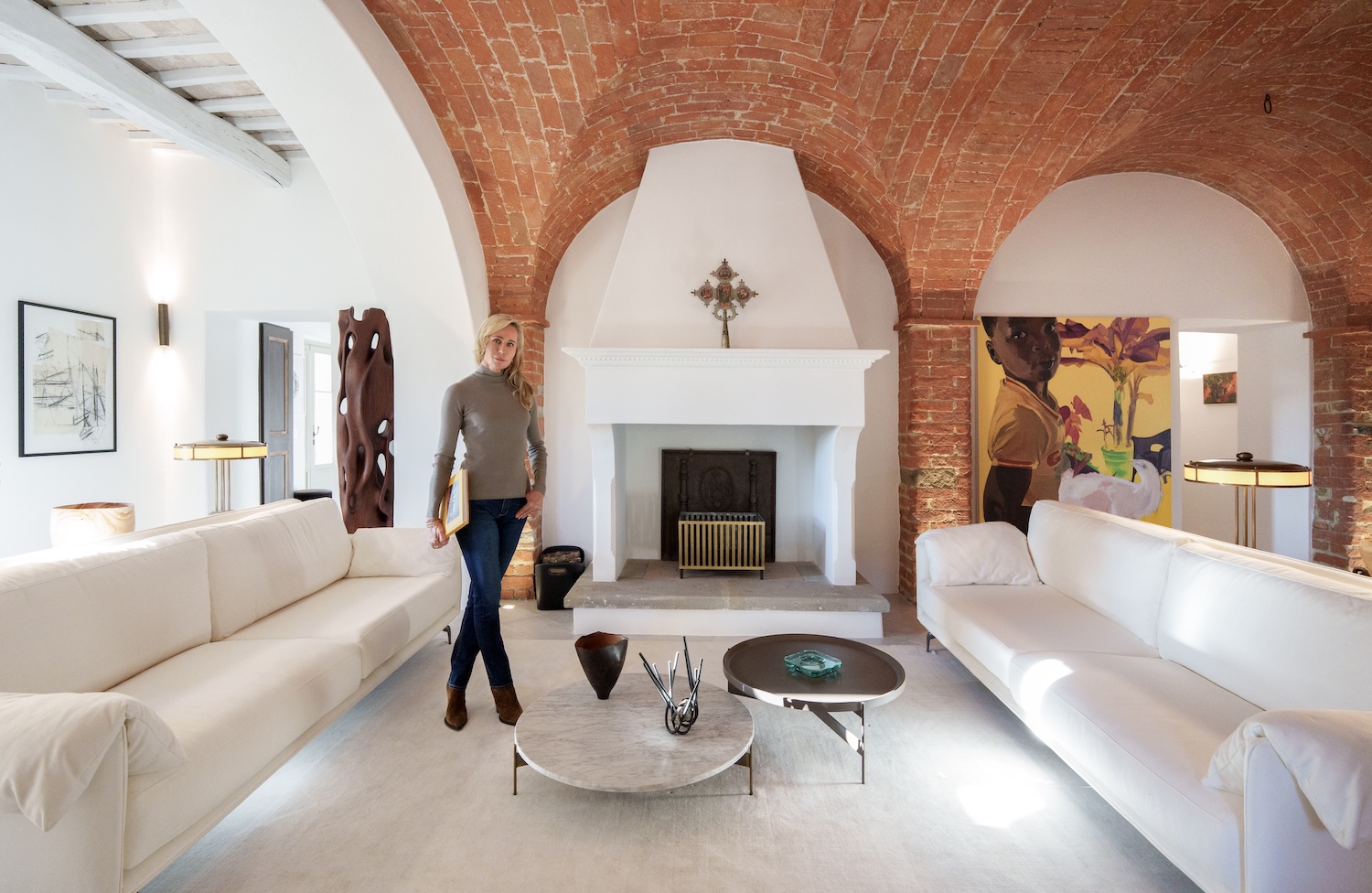
Collecting
What made you want to start collecting art? What is the main motivation behind your collecting?
For me, contemporary art is most impactful when addressing collective global concerns. I first started collecting while working as a lawyer in Johannesburg in the early 2000s—an exciting time as the Constitution for a newly democratic South Africa had just been put into place, resulting in a wide-ranging exploration of how to create an equitable society with human rights as its core.
This transformative moment for my country and its people sparked my passion for contemporary art.
When did you fall in love with a piece of art? What was it?
Presently I am excited about a large-scale public installation envisaged by Michele Mathison where we have been working with a local travertine stone mason. Situated in an ancient clearing in a forest in Umbria, Mathison’s “Verso il Cielo” consists of 55 travertine colums rising from the earth in a fan-shaped pattern, creating a sense of connection to the sky and to the immediate location. The installation offers a reflection on how cultural artefacts can be shaped by the resources found on site.
Why do you focus on collecting African artists in your collection? Are you more interested in emerging or renowned artists?
I am South African and the concerns common to African artists are ones that are meaningful to me, including environmental questions, social justice, and issues pertaining to post colonialism.
It is exciting to engage with artists at the start of their artistic journeys, to see the potential and watch the practices of these young artists evolve.
What type of art that has consistently attracted you, or what theme unites all the works you have acquired?
Work which is distinctive, where the artist demonstrates a fiercely individual and unique voice. Overall, I am attracted to work which speaks to pressing contemporary global concerns.
What were the first and the latest artworks you purchased?
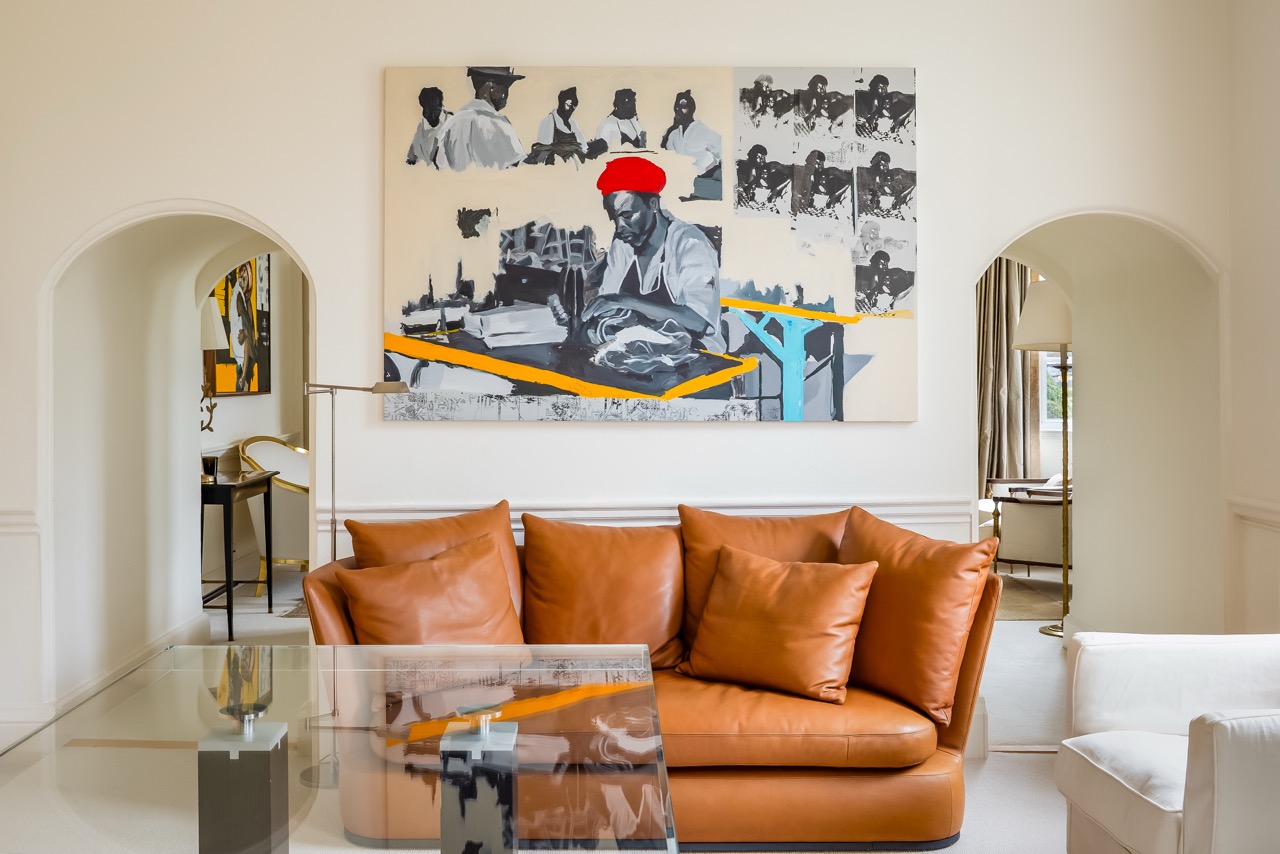
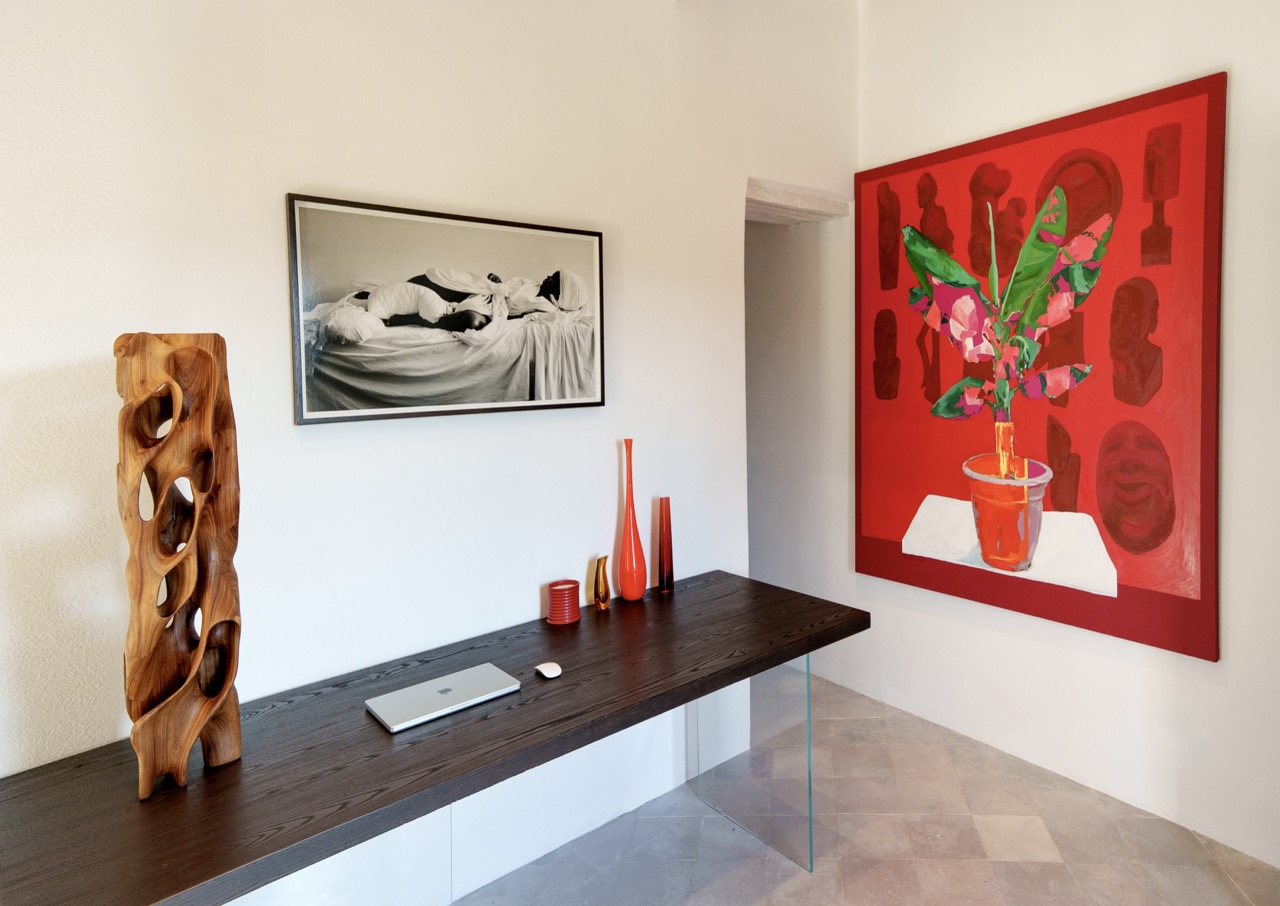
The first artwork I purchased was by William Kentridge in early 2000s. Recently, I bought works by Primrose Panashe Chingandu, Driaan Claassen, Michele Mathison and Mbali Tshabalala—all the artists featured in Tyburn Foundation’s Exhibition in Paris in late October. These acquisitions are important to me as part of the Foundation’s long term commitment to support our Residency Fellows.
How many artworks do you own? Where do you display your collection?
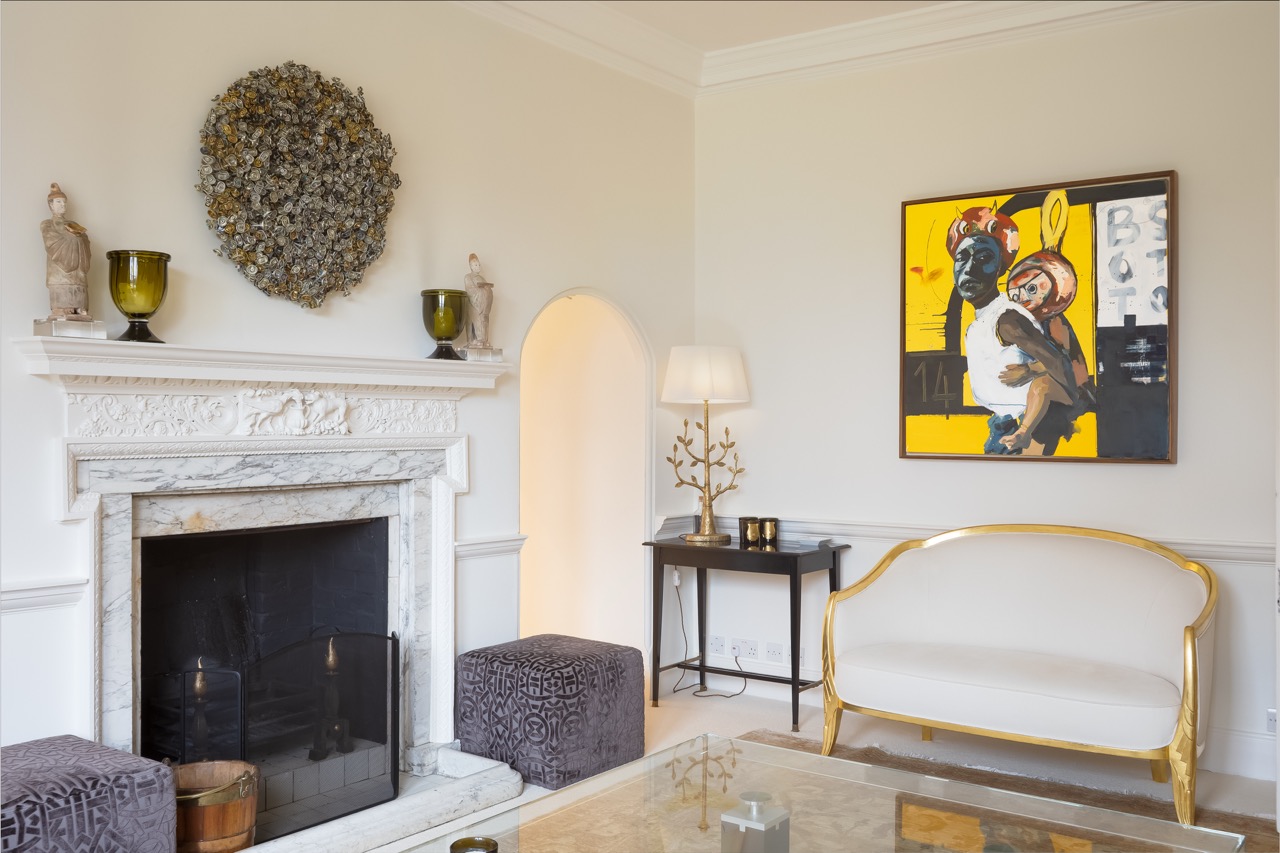
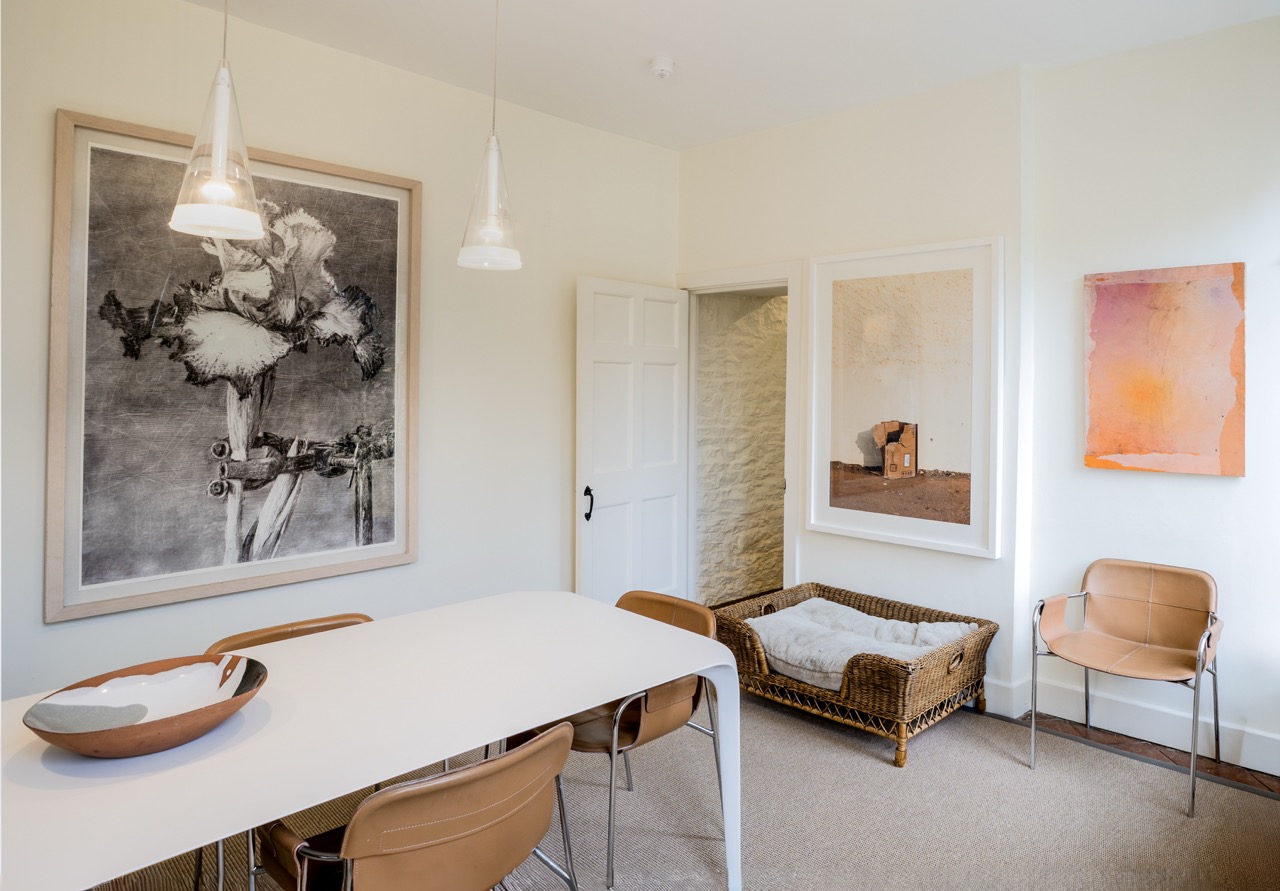
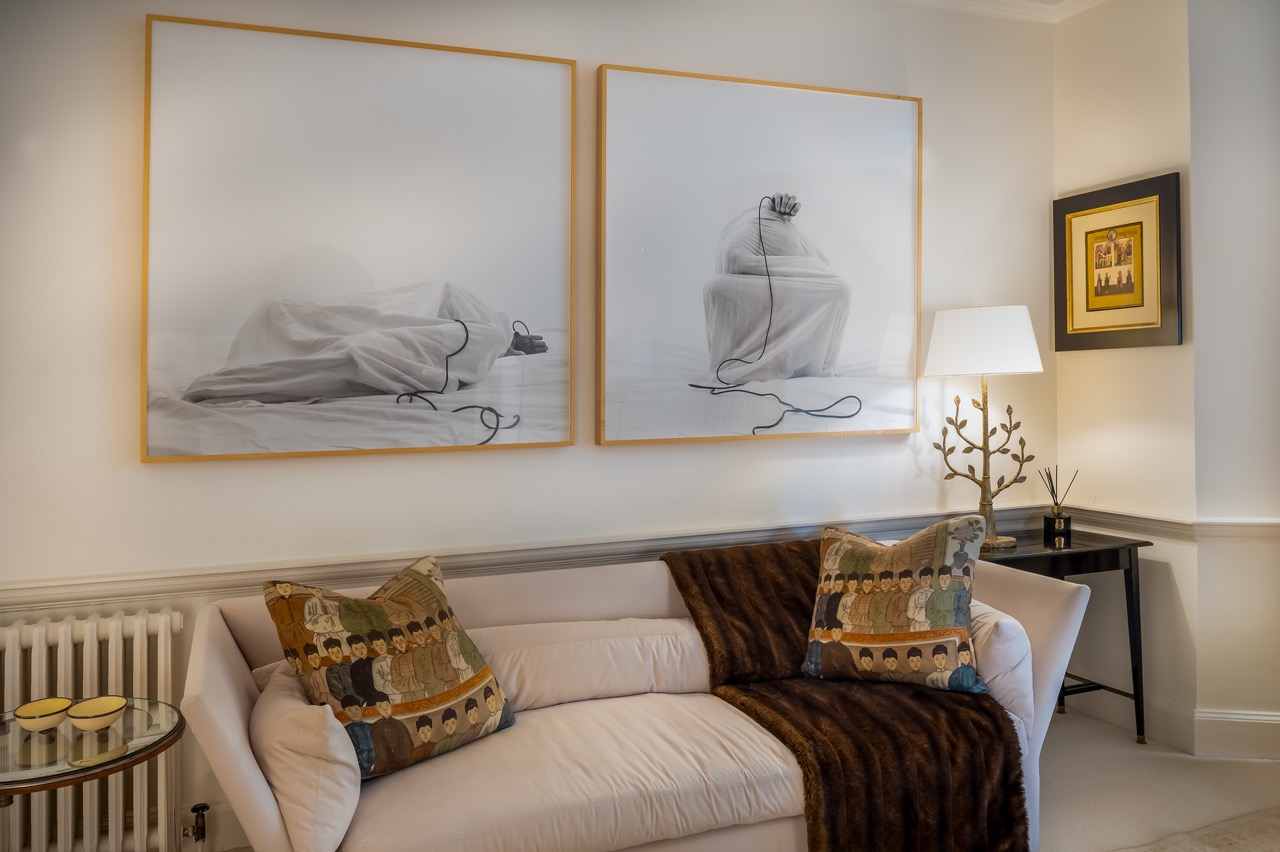
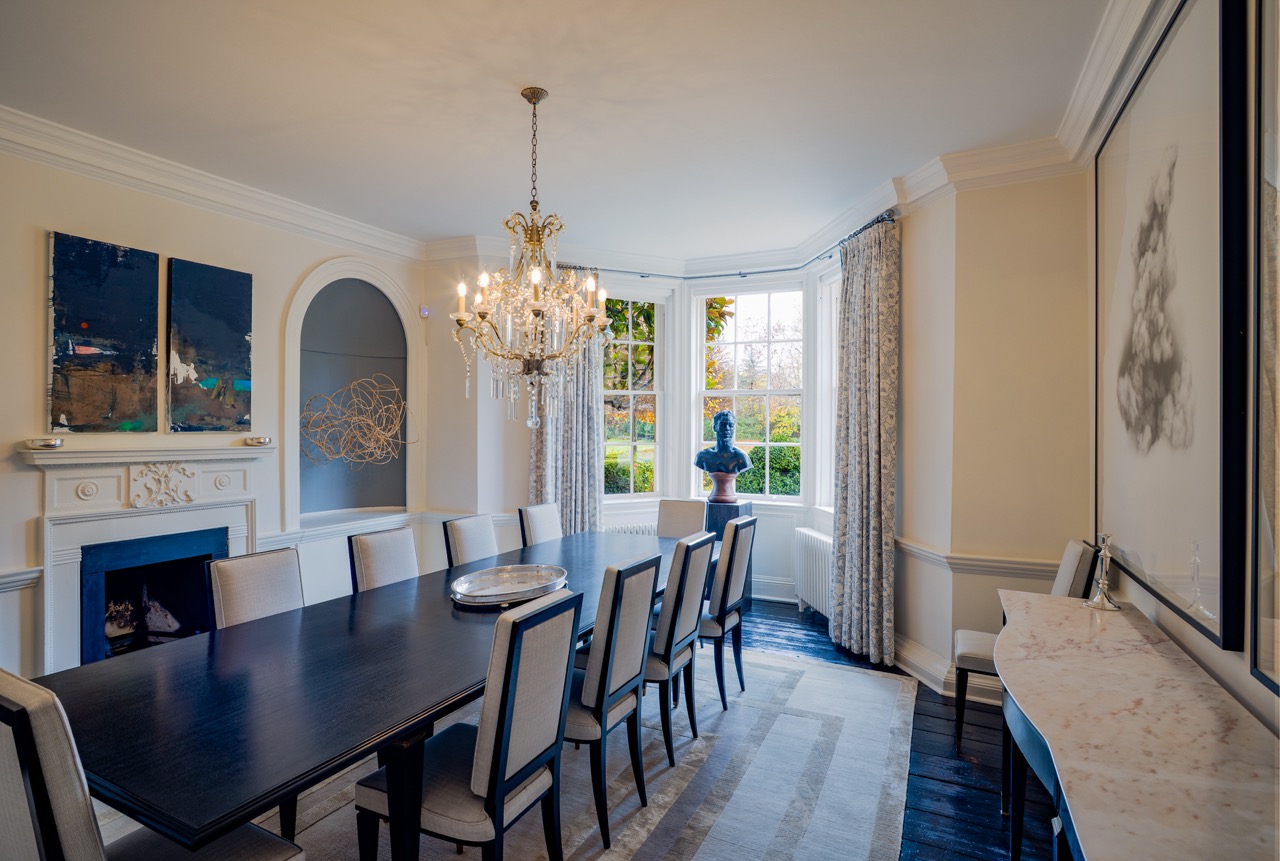
Over 200 works in London, Oxfordshire, Italy, and Cape Town.
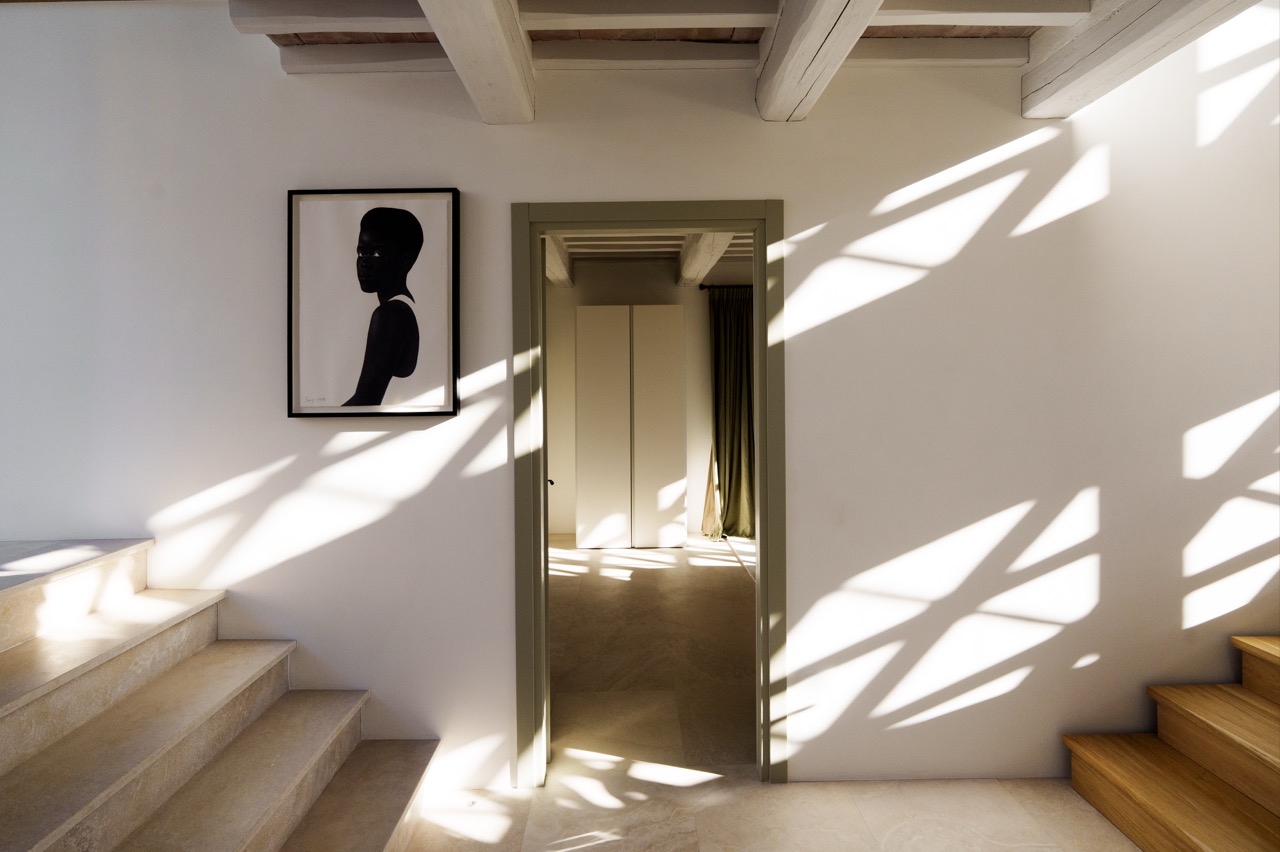
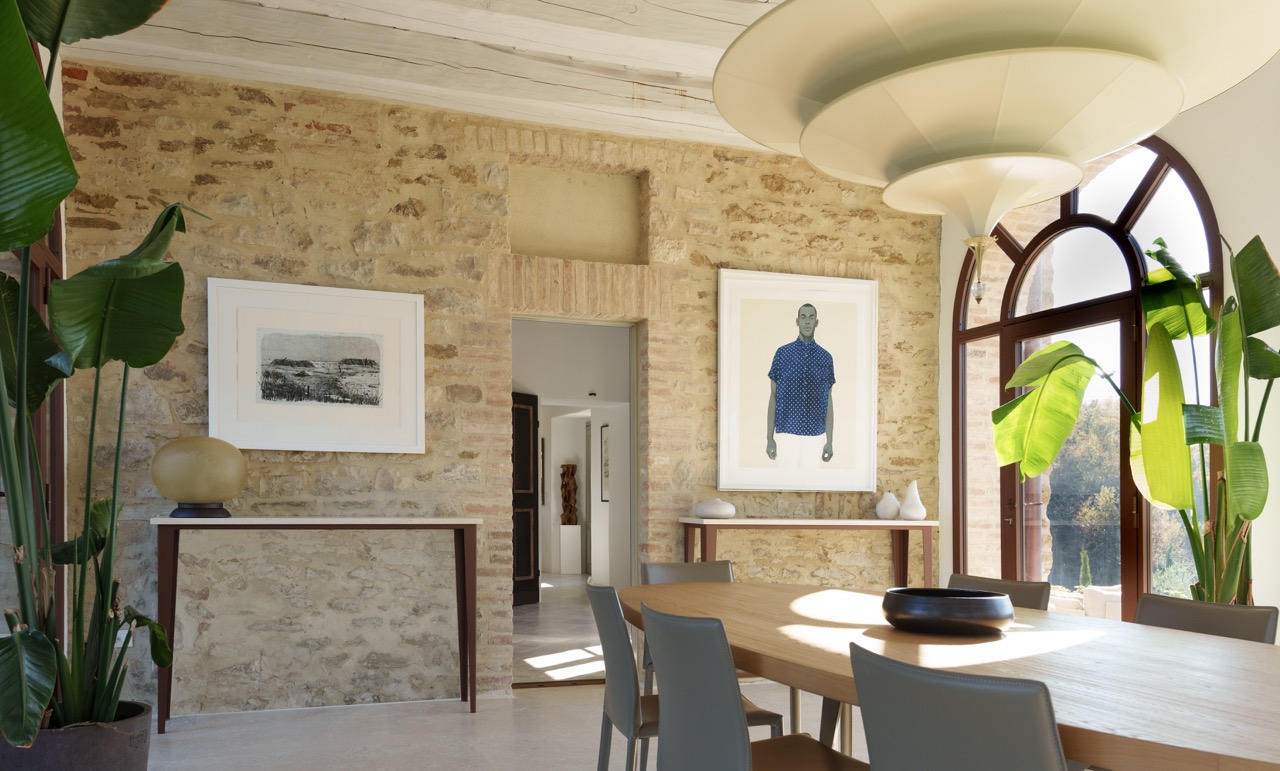
Have you ever presented your art collection publicly?
No, the collection is private. In future, we may consider exhibiting works in collaboration with our residency partners as part of Tyburn’s mission of championing contemporary African artists and enhancing the visibility of their work.
What considerations guide you to make a purchase?
For me, it is a sense that the artist is uniquely addressing where the world is positioned at this moment in history. I believe art acts as a brilliant conduit to understanding contemporary reality.
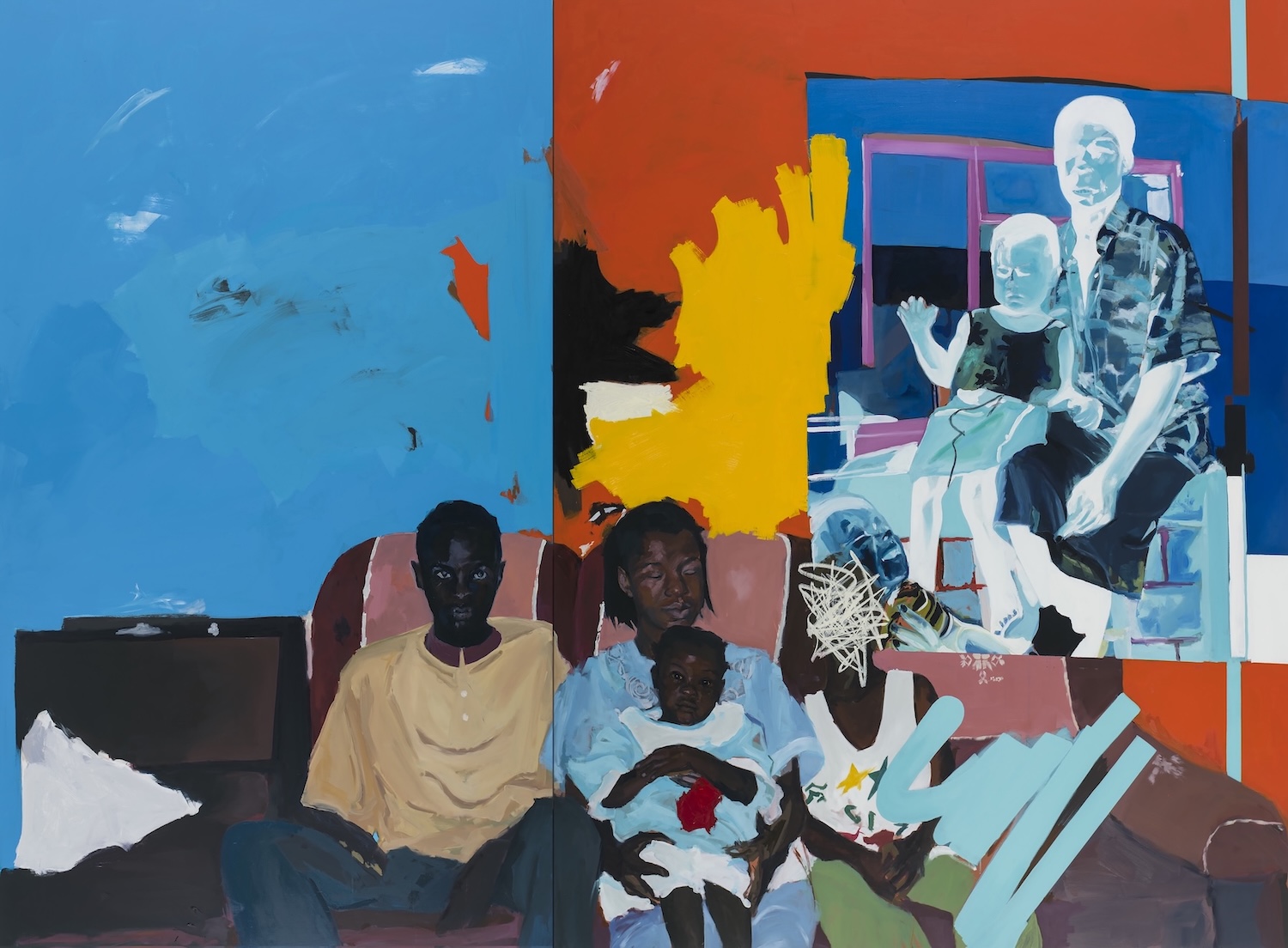
What is your most treasured artwork?
I treasure all my works deeply, though perhaps above all, my favourite is “Family Portrait” by Kudzanai-Violet Hwami.
How important is it for you to meet the artists who created the artwork?
To date, I have met each artist from whom I have aquired work; the personal connection and understanding remains extremely important.
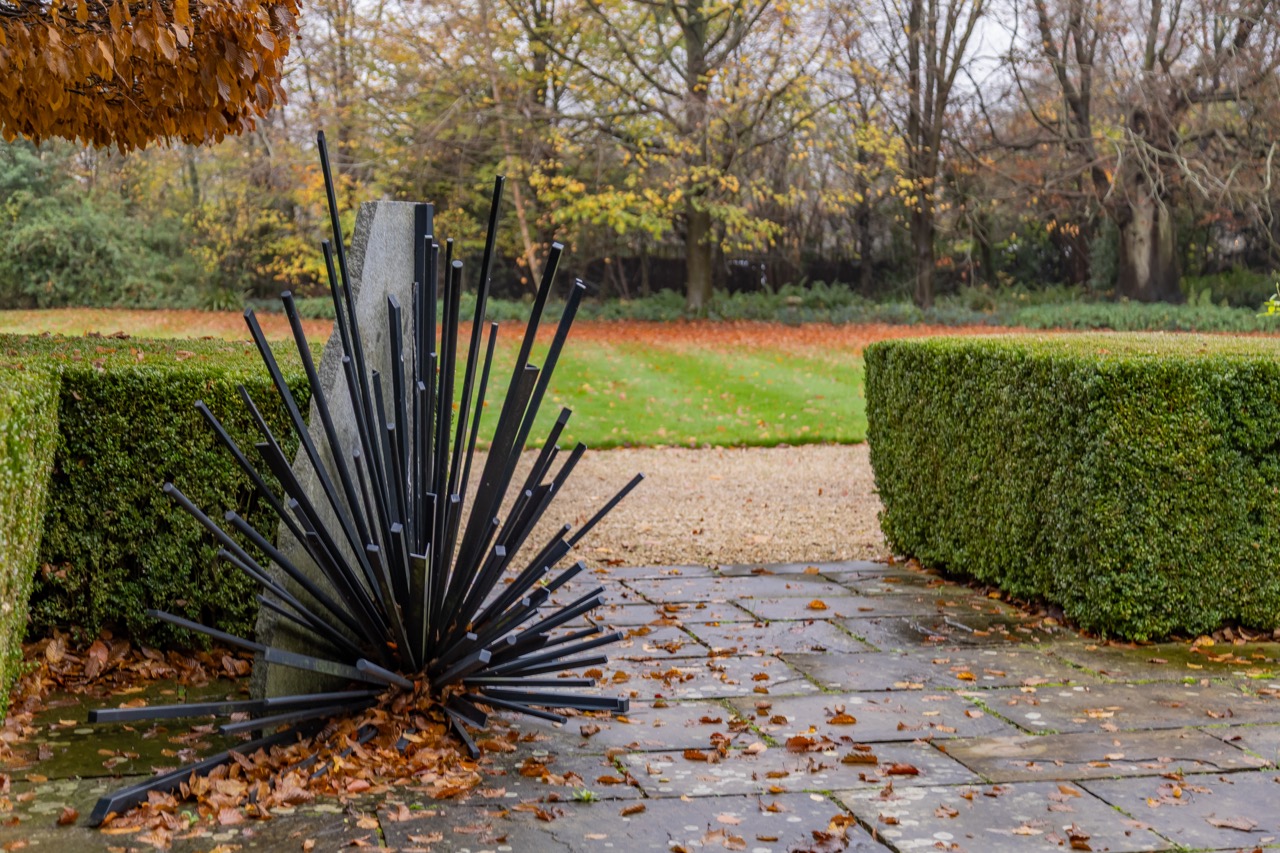
Tyburn Foundation
What is your motivation behind establishing the Tyburn Foundation?
After closing Tyburn Gallery, I wanted to continue working closely with emerging and mid-career artists from Africa though in a less commercial context which prioritized slow, sustainable growth through curatorial engagements, residencies, and meaningful patronage.
A confluence of structural, economic, and cultural shifts have been reshaping the art world at present. These changes have highlighted the fragility of the traditional gallery models and heightened the challenges facing smaller galleries especially.
The Foundation emerged from that desire to create a structure that supports artists’ practices over time, free from the pressures of the market, with space for deeper reflection, experimentation and exchange.
Why is it important for you to support early and mid-career African artists through residencies?
The traditional commercial gallery model is not ideal in providing early-career artists with the space, time, and freedom from financial pressures to best develop their practices. Tyburn Foundation offers vital support in this respect and works to strengthen a diverse and vibrant art ecosystem.
The South African art scene
Can you name emerging African artists who should be on our radar?
Apart from the talented artists from our programme, I admire Fidelis Joseph, who works between Nigeria and the United States.
What are the opportunities and challenges faced by the South African artists?
Artists need spaces to create work free of commercial pressures. African artists need to be recognized for their individualism so that they are situated alongside their global peers and not pigeon-holed within the genre. Our partnership with Civitella Ranieri, for example, provides the opportunity for artists to be in an international cohort from around the world.
I believe that the art ecosystem in general would benefit collectively, if the larger, established galleries were to find a way of working collaboratively with the smaller ones, exploring ecosystems outside the main artistic centres.
How can art collectors contribute to the South African art scene nowadays?
Our mission is to champion artists over the long term, giving the time, space, and support for artists to continue their creative journeys and play a vital role in society. We aim to bridge geopgraphies and offer visibility and validation outrside traditional Western-centric circuits while still engaging critically within them. This approach allows us to highlight the multiplicity of creative voices shaping the contemporary moment and to engage in reframing how artistic excellence is understood. Collectors could join us in creating a more sustainable ecosystem for African artists by supporting artists both within and outside the traditional commercial gallery models.
The Art World
What was your happiest or most memorable moment being involved in art?
I have cherished every moment the artists we support have achieved recognition and have thrived in their practices—this makes our efforts meaningful. It is wonderful to see young artists we have worked with succeed in a competitive international arena.
Who inspires you the most in the art world?
I am inspired by the young artists who forge successful careers through a combination of passion, determination, talent, and grit.
Related: Tyburn Foundation
Instagram: @emmamenell, @tyburnfoundation
A selection of artists Emma collects:
Amy Sherald
Kudzanai-Violet Hwami
Michele Mathison
William Kentridge
Zaneli Muholi
By Ricko Leung
